
Is AI ad targeting the game-changer modern advertising needs? As consumer habits evolve, traditional advertising approaches are increasingly inadequate. Artificial intelligence elevates programmatic strategies, facilitating real-time ad transactions and precise audience targeting. With machine learning, brands gain unparalleled predictive insights, boosting campaign efficiency and effectiveness. The transformative power of AI in ad creation and management offers advertisers the edge needed in a competitive digital sphere. Explore how AI enriches the efficiency and impact of advertising efforts, promising an innovative future for targeted ad strategies.
Understanding AI in Ad Targeting

AI ad targeting is revolutionising the advertising landscape, serving as a cornerstone for modern programmatic strategies. This technology facilitates real-time ad buying, selling, and placement, streamlining processes and ensuring more precise audience engagement. Machine learning algorithms form the backbone of AI in advertising, providing essential data-driven insights and predictive capabilities. These insights not only enhance targeting accuracy but also refine measurement strategies, thereby optimising campaign performance. AI-powered tools are instrumental in ad creation and management, enabling advertisers to generate variations and produce creative content swiftly and efficiently.
- Real-time ad buying and placement
- Data-driven insights and predictive analytics
- Automated ad creation and management
- Generation of ad variations
- Enhancement of ad creativity
AI’s predictive capabilities significantly impact ad creation by anticipating consumer needs and preferences. This foresight allows for the development of highly personalised ad content that resonates with target audiences, improving engagement and conversion rates. By leveraging predictive analytics, advertisers can forecast the effectiveness of ads before launching, ensuring optimal resource allocation and strategic planning. This capability not only heightens the efficiency of advertising efforts but also fosters a more dynamic and responsive marketing environment.
Benefits of Personalised Ad Campaigns with AI
Personalisation in marketing is crucial as it directly influences consumer engagement and conversion rates. AI facilitates this by analysing consumer behaviour to provide valuable insights that inform personalised ad campaigns. By understanding the unique preferences and motivations of consumers, advertisers can create ad content that resonates on a deeper level, leading to higher interaction and satisfaction. AI’s role in personalisation is pivotal, transforming traditional marketing approaches into more dynamic and responsive strategies.
- Analyses consumer behaviour for insights
- Forecasts ad effectiveness
- Tailors ads based on motivations
- Improves engagement and ROI
Improved engagement and return on investment (ROI) are significant outcomes of AI-driven personalised ad campaigns. By tailoring ads to reflect consumer motivations, AI ensures that marketing efforts are not only relevant but also effective in capturing consumer interest. Predictive analytics further enhance this process by forecasting ad effectiveness, allowing advertisers to plan strategically and allocate resources efficiently. This strategic foresight contributes to a substantial uplift in campaign performance, making AI an indispensable tool in modern advertising.
Best Practices for AI-Driven Ad Strategies
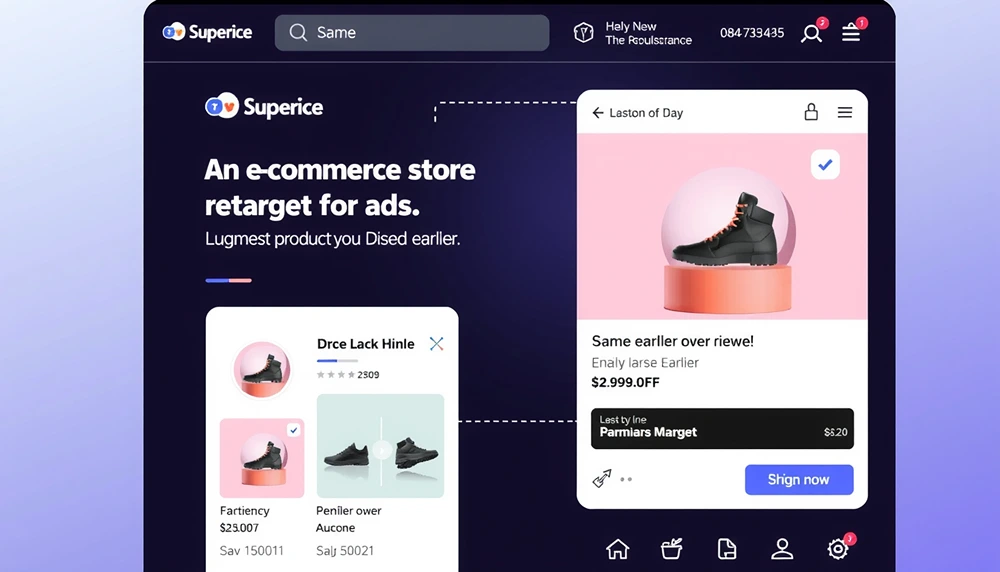
Integrating AI into advertising strategies is pivotal for modern marketers seeking to enhance campaign effectiveness and efficiency. AI-driven targeting strategies empower advertisers with the ability to execute real-time ad placements and leverage predictive analytics to engage audiences more precisely. These strategies help optimise ad spend by providing data-driven insights into consumer behaviour, fostering more personalised and impactful advertising. By employing AI, advertisers can streamline processes, increase conversion rates, and ultimately achieve superior return on investment (ROI).
AI-driven ad strategies excel in ad testing and competitor analysis, offering a significant advantage over traditional methods. Extensive ad creative and messaging tests, facilitated by AI, surpass the capabilities of conventional A/B testing by providing more robust and scalable solutions. These tests allow advertisers to fine-tune their campaigns based on accurate data, ensuring higher success rates. Additionally, AI tools can analyse competitors’ ad strategies, delivering actionable insights that can be used to refine targeting approaches. This comprehensive analysis enables advertisers to stay ahead in a competitive market by tailoring their strategies to meet evolving consumer demands.
Real-world examples underscore the transformative impact of AI-driven ad strategies, showcasing tangible improvements in ad conversion rates and return on ad spend. Companies leveraging AI tools report significant enhancements in campaign performance, attributed to AI’s ability to predict consumer behaviour and optimise ad creative effectively. By adopting AI-driven strategies, businesses can not only reduce costs but also increase engagement, driving long-term growth and sustainability.
| Strategy | Outcome |
| Extensive ad creative and messaging testing | Improved ad effectiveness |
| Competitor analysis using AI tools | Enhanced targeting accuracy |
| Predictive analytics for consumer behaviour | Increased conversion rates |
Challenges and Ethical Considerations of AI in Ad Targeting
Privacy concerns in AI targeting are increasingly significant, driven by extensive data collection and the phasing out of third-party cookies. As privacy regulations such as GDPR and CCPA gain traction, the traditional methods of tracking and targeting consumers are being scrutinised. The decline of third-party cookies marks a shift towards more privacy-centric advertising models, necessitating the adoption of alternative strategies that respect user privacy. AI must adapt to these changes by focusing on first-party data and developing privacy-compliant methods for audience engagement. Such adjustments are crucial to maintaining consumer trust and adherence to legal standards in the evolving digital landscape.
- Data privacy regulations (e.g., GDPR)
- Responsible use of AI-generated content
- Restricting explicit and political ads
Ethical AI advertising practices are essential in ensuring that the deployment of AI technologies aligns with societal norms and legal requirements. The responsible use of AI-generated content entails obtaining documented consent from actors and maintaining transparency in content creation processes. Additionally, advertisers must impose restrictions on explicit and political ads to avoid potential misuse of AI in sensitive contexts. Upholding ethical standards not only safeguards brand reputation but also strengthens consumer relationships by demonstrating a commitment to responsible advertising practices.
Emerging Trends and the Future of AI in Marketing

Current trends in the marketing sector are increasingly shaped by AI, with a significant shift towards privacy-driven changes. The decline of third-party cookies is a pivotal factor, prompting marketers to seek alternative methods for tracking and targeting consumers. Universal IDs are emerging as a practical solution, offering a way to maintain effective audience engagement while adhering to stringent privacy regulations. AI’s predictive capabilities are also gaining traction, enabling marketers to anticipate consumer needs and tailor their strategies accordingly. These predictive insights are crucial for creating more personalised and impactful advertising experiences.
- Decline of cookies and rise of privacy regulations
- Emergence of universal IDs
- Increased focus on consumer behaviour patterns
- Real-time decision-making for personalised ads
AI’s role in marketing is expanding beyond data processing to encompass a deeper understanding of consumer behaviour patterns. By leveraging these insights, marketers can execute real-time decision-making processes that enhance the personalization of ads, leading to improved consumer engagement. This dynamic approach allows for ads that not only reflect consumer preferences but also adapt to changes in behaviour and market conditions. As AI continues to evolve, its integration into marketing strategies will become increasingly indispensable, driving innovation and efficiency in digital advertising.
Final Words
AI ad targeting transforms advertising approaches by providing real-time ad transactions.
It empowers marketers with predictive insights and streamlines ad content creation, offering enhanced personalisation and improved ROI.
AI-driven strategies and thorough testing can significantly boost conversion rates.
However, ethical considerations and privacy concerns must be addressed responsibly.
Emerging trends, such as the decline of cookies and privacy regulations, underscore the importance of AI in future marketing.
Embracing AI’s potential ensures marketers remain competitive and adaptive in a rapidly changing landscape.

To further scale your digital efforts, explore our guide on advanced marketing automation to elevate your business success.
For agency support with this, see our web design services and digital marketing services.
For professional support with this, see our about Smarter Digital Marketing.
For professional support with this, see our local SEO across Scotland and the UK.
For professional support with this, see our PPC management.
To learn more about how these technologies are applied, read our full guide on predictive advertising strategies.
FAQ
How is AI used in targeted advertising?
AI is used in targeted advertising by analysing consumer data to identify relevant audiences. It employs predictive analytics to tailor messaging and optimise ad placement, thus increasing engagement and conversion rates.
How to use AI for target marketing?
AI can be used for target marketing by leveraging analytics platforms that track consumer behaviour. These insights can guide ad content creation, determine optimal timing, and select effective channels, ensuring precise audience engagement.
What is AI targeting?
AI targeting involves using artificial intelligence to analyse data and predict consumer preferences. It enables advertisers to deliver personalised marketing messages, enhancing the relevance and effectiveness of ad campaigns.
Is AI good for advertising?
AI is beneficial for advertising because it enhances precision and efficiency. It provides insights into consumer behaviour, optimises ad delivery, and increases return on investment through personalised, data-driven campaigns.
