
Could a simple line on a map revolutionise how businesses interact with customers? Geofencing mobile marketing is doing just that, offering a powerful way to boost customer engagement by targeting individuals within defined areas. By leveraging location-based marketing, companies can deliver timely and personalised messages, increasing interaction and foot traffic substantially. This article will explore how geofencing, utilising technologies such as GPS and Wi-Fi, is transforming traditional marketing methods, driving consumer engagement to new heights. Let’s examine how this innovative approach is reshaping the marketing landscape.
Understanding Geofencing in Mobile Marketing

Geofencing in mobile marketing is a sophisticated location-based technology that establishes virtual perimeters around specific geographic areas using geolocation technology. It operates by employing GPS, RFID, Wi-Fi, or cellular data to delineate these boundaries. When a mobile device traverses these defined areas, it triggers pre-set actions, enabling marketers to deliver targeted messages directly to consumers’ mobile devices. This precision in targeting enhances customer engagement and can effectively drive foot traffic to physical store locations, making it a powerful tool in location-based marketing strategies.
- GPS
- RFID
- Wi-Fi
- Cellular data
- Mobile app integration
By leveraging geofencing, marketers can significantly enhance their marketing efforts with timely, location-specific engagement. This approach allows for the delivery of personalised promotions, offers, and notifications to consumers as they enter or exit designated geofences. Such real-time interaction increases the relevance of marketing messages, leading to improved customer experience and higher conversion rates. Geofencing also provides marketers with valuable data on consumer behaviour and preferences, allowing for the refinement of future marketing strategies.
Benefits of Geofencing Mobile Marketing
Geofencing enhances targeting accuracy by leveraging precise geolocation technology to define virtual boundaries around specific areas. By doing so, marketers can deliver highly relevant messages to consumers who are in proximity to their stores or events. This precision ensures that marketing efforts are not only timely but also geographically pertinent, minimising wasted ad spend and increasing the potential for engagement.
In terms of consumer engagement, geofencing offers a unique opportunity for personalised marketing. By sending location-specific offers and notifications, businesses can capture consumer attention at the most opportune moments. This real-time interaction is crucial for boosting conversion rates, as it aligns marketing messages with the consumer’s immediate context and needs, leading to more successful call-to-action outcomes.
Geofencing also plays a vital role in collecting data for consumer insights. By analysing the interactions and movements within geofenced areas, businesses can gain a deeper understanding of consumer behaviour and preferences. This data-driven approach allows marketers to tailor future campaigns more effectively, ensuring that they resonate with the target audience and enhance overall marketing effectiveness.
Successful Geofencing Campaigns
Geofencing has transformed the landscape of mobile advertising by enabling brands to deliver location-based offers directly to consumers’ mobile devices. The adoption of geofencing in marketing campaigns has shown significant success, with major retailers effectively increasing store visits and sales. By leveraging this technology, businesses can execute precision-targeted campaigns that engage consumers at the right time and place. This strategic approach not only enhances the consumer experience but also optimises marketing spend, demonstrating the effectiveness of geofencing in driving tangible business outcomes.
Case Studies of Major Brands
Notable examples of successful geofencing campaigns include efforts by Starbucks and Burger King. Starbucks has utilised geofencing to send timely promotions and offers to customers near their stores. This strategy capitalises on the consumer’s proximity to drive foot traffic and increase in-store purchases. Similarly, Burger King has employed geofencing to target McDonald’s customers, enticing them with competitive offers when they are near Burger King locations. These campaigns highlight the potential of geofencing to influence consumer behaviour and boost sales through strategic location-based advertising.
| Brand | Campaign Objective | Outcome |
| Starbucks | Increase store visits through location-based offers | Significant rise in foot traffic and sales |
| Burger King | Attract McDonald’s customers with competitive offers | Increased conversions and market share |
Setting Up Geofencing for Mobile Marketing
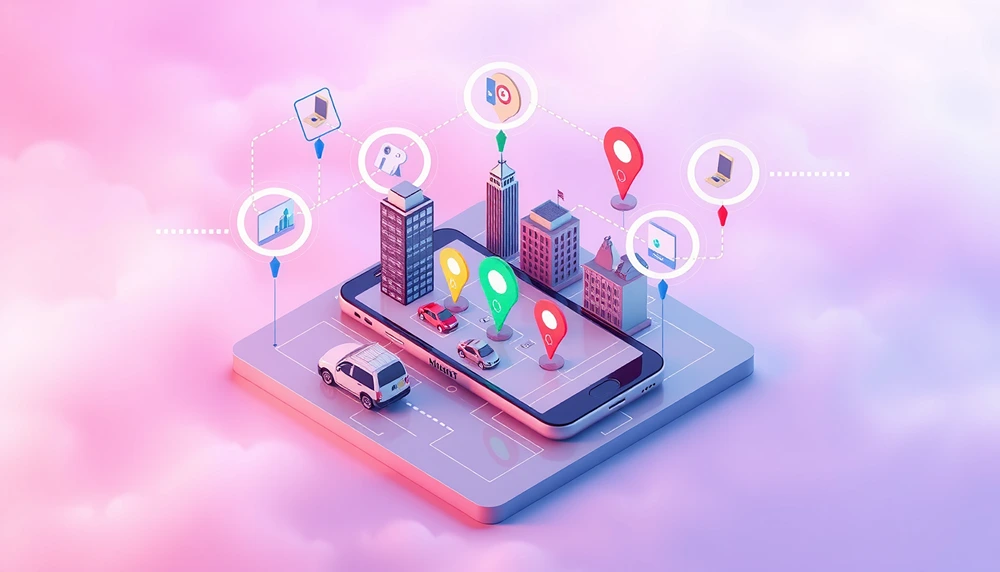
To effectively implement geofencing in mobile marketing, businesses must first understand the intricacies involved in its setup. This process begins with defining the target area, which involves using precise geolocation technology to establish virtual boundaries. These boundaries are crucial for ensuring that marketing messages are only delivered to consumers within specific geographical zones, optimising ad spend and enhancing targeting accuracy. Once the area is defined, the focus shifts to integrating geofencing technology with existing marketing infrastructure, such as mobile apps or advertising platforms, to ensure seamless message delivery.
Integration of technology plays a pivotal role in the success of geofencing campaigns. Mobile apps are often the primary medium through which geofencing technology operates, making their integration essential. This involves embedding geofencing capabilities into the app’s framework, allowing it to detect when a device enters or exits a predefined area. The next crucial step is crafting marketing messages that resonate with the target audience. These messages must be relevant, timely, and engaging to capture consumer attention and drive desired actions. Effective message crafting involves understanding consumer preferences and behaviours, allowing for more personalised and impactful communications.
- Define the geographic area
- Determine trigger actions
- Integrate with mobile apps
- Craft marketing messages
- Analyse and optimise
Analysing and optimising are the final steps in setting up a successful geofencing campaign. Once the campaign is live, continuous monitoring and analysis are essential to gauge its effectiveness. By examining consumer interactions and responses, marketers can identify areas for improvement and make necessary adjustments to enhance performance. This data-driven approach ensures that geofencing strategies remain dynamic and responsive to changing consumer needs, thereby maximising the potential return on investment.
Addressing Privacy Concerns in Geofencing
Privacy concerns in geofencing revolve around the collection and use of location data, which can make users wary of sharing personal information. Consumers are increasingly conscious of how their data is utilised, and the potential for misuse or unauthorised access raises valid concerns. As geofencing relies on precise geolocation technology, it is imperative for businesses to address these privacy issues proactively. Compliance with data protection regulations, such as the General Data Protection Regulation (GDPR), is essential to ensure that user data is handled responsibly and ethically.
Businesses can mitigate privacy concerns by implementing strategies that prioritise transparency and user control.
- Obtain user consent
- Transparent data usage policies
- Easy opt-out options
Securing user consent is crucial, as it ensures individuals are aware of and agree to the collection and use of their location data. Transparent data usage policies further enhance trust by clearly outlining how data will be utilised and protected. Providing easy opt-out options empowers users to control their data preferences, fostering a sense of security and confidence in the brand. These measures not only address privacy concerns but also strengthen consumer trust, which is vital for the success of geofencing marketing initiatives.
Latest Trends in Geofencing Mobile Marketing
How is artificial intelligence used in geofencing? AI is integrated into geofencing to predict consumer behaviour with greater accuracy. This involves analysing vast datasets to identify patterns and trends that inform marketing strategies. By leveraging AI, marketers can anticipate consumer needs and preferences, enabling them to deliver more personalised and timely messages. This predictive capability enhances the effectiveness of geofencing campaigns, ensuring that marketing efforts are aligned with consumer expectations and increasing the likelihood of engagement.
What role does augmented reality play in enhancing user experience? Augmented reality (AR) is used in geofencing to create immersive and interactive experiences for consumers. By overlaying digital information onto the physical environment, AR enhances the relevance and engagement of marketing messages. For example, when users enter a geofenced area, they can receive AR-enabled promotions or product demonstrations, providing a richer and more engaging experience. This integration of AR not only captures consumer attention but also deepens their interaction with the brand, leading to higher conversion rates.
How is geofencing expanding into new sectors? Geofencing is expanding beyond traditional retail applications into sectors such as healthcare and real estate. In healthcare, geofencing can assist in patient engagement by sending reminders for appointments or medication as patients enter specific locations. In real estate, it can provide potential buyers with property details when they are near a listed home. This expansion demonstrates the versatility of geofencing technology, as it adapts to various industries to enhance operational efficiency and customer engagement.
Final Words
Geofencing mobile marketing represents a cutting-edge approach to engaging consumers by harnessing location-based capabilities.
This technology enables highly targeted marketing efforts, bolstering consumer engagement and optimising conversion rates. Real-world examples, such as campaigns by Starbucks and Burger King, demonstrate its potential to drive foot traffic and increase sales through tailored messaging.
To deploy successful geofencing initiatives, businesses must carefully navigate privacy concerns while embracing new trends like AI and augmented reality.
With thoughtful implementation, businesses can exploit the full potential of geofencing mobile marketing, ensuring enhanced ROI and deeper consumer insights.
FAQ
Understanding Geofencing in Mobile Marketing
Q: What is geofencing in mobile marketing?
A: Geofencing in mobile marketing involves creating virtual boundaries using GPS, RFID, Wi-Fi, or cellular data to target messages at mobile devices within specific areas, thus enhancing customer engagement.
Q: What technologies are used for geofencing?
A: Geofencing uses GPS, RFID, Wi-Fi, cellular data, and mobile app integration to create location-based services.
Benefits of Geofencing Mobile Marketing
Q: How does geofencing improve targeting accuracy?
A: Geofencing enhances targeting accuracy by enabling marketers to focus on consumers entering or exiting predefined geographical areas, leading to more relevant and timely marketing messages.
Q: What impact does geofencing have on consumer engagement?
A: Geofencing increases consumer engagement by delivering personalised marketing messages that resonate with users’ locations, subsequently raising conversion rates.
Q: How does geofencing assist in gathering consumer data?
A: Geofencing allows businesses to collect valuable data on consumer behaviour and preferences, facilitating improved marketing strategies and decision-making.
Successful Geofencing Campaigns
Q: Which major brands have used geofencing successfully?
A: Brands like Starbucks and Burger King have used geofencing to boost store visits and sales by sending timely offers to customers near their locations.
Q: What were the objectives and outcomes of these campaigns?
A:
| Brand | Campaign Objective | Outcome |
| Starbucks | Increase store visits | Enhanced sales |
| Burger King | Boost customer footfall | Improved engagement |
Setting Up Geofencing for Mobile Marketing
Q: How can one set up geofencing for marketing?
A: To set up geofencing, define the target area, integrate geofencing technology into apps, and craft compelling marketing messages.
Q: What are the steps for setting up a geofencing campaign?
A: Steps include defining the geographic area, determining trigger actions, integrating with mobile apps, crafting marketing messages, and analysing for optimisation.
Addressing Privacy Concerns in Geofencing
Q: What privacy concerns are associated with geofencing?
A: Privacy concerns include users’ hesitance to share location data, requiring compliance with data protection regulations like GDPR.
Q: How can businesses address privacy concerns in geofencing?
A: Businesses should obtain user consent, maintain transparent data usage policies, and offer easy opt-out options.
Latest Trends in Geofencing Mobile Marketing
Q: How is AI innovating geofencing applications?
A: AI is used to predict consumer behaviour with greater accuracy, enhancing the effectiveness and precision of geofencing marketing strategies.
Q: What role does augmented reality play in geofencing?
A: Augmented reality enhances user experiences within geofencing applications, offering interactive and immersive marketing engagements.
Q: Beyond retail, where is geofencing being applied now?
A: Geofencing is expanding into sectors like healthcare and real estate, broadening its application and utility beyond traditional retail environments.
For professional support with this, see our PPC management.
For agency support with this, see our web design services and digital marketing services.
For professional support with this, see our about Smarter Digital Marketing.
