
Is your business harnessing the full potential of advanced marketing automation? As digital landscapes evolve, incorporating sophisticated tools such as machine learning and AI is no longer a luxury but a necessity. By embracing these innovations, businesses can significantly enhance efficiency and streamline their marketing processes. This article explores how advanced marketing automation tools can transform your strategies, driving improved customer engagement, optimising performance, and increasing ROI. Discover the critical features and benefits that can elevate your business success in an ever-competitive environment.
Understanding Advanced Marketing Automation Tools

Advanced marketing automation tools are pivotal in optimising business processes and enhancing operational efficiency. These sophisticated tools incorporate machine learning, AI integration, and predictive analytics to streamline marketing activities and provide insightful data analysis.
Machine learning in marketing automation allows systems to learn from historical data, predicting future trends and customer preferences. This capability aids in crafting more personalised marketing strategies, enhancing customer engagement.
AI integration takes this a step further by enabling real-time data processing and decision-making. This agility allows marketers to respond swiftly to changing market dynamics, tailoring campaigns to fit current consumer behaviours and needs.
Predictive analytics offers another layer of sophistication by accurately forecasting future customer actions and market trends. This foresight empowers marketers to proactively design strategies that anticipate market demands, ensuring a competitive edge.
Key features of advanced marketing automation tools include:
- Machine Learning Algorithms: Adapt and learn from data to improve marketing strategies.
- AI Integration: Enables real-time data analysis and swift decision-making.
- Predictive Analytics: Forecasts future trends and customer behaviours.
- Personalisation Capabilities: Tailors marketing efforts to individual customer preferences.
- Comprehensive Reporting: Provides insights into campaign performance and customer engagement.
These features collectively enhance marketing efficiency by automating complex processes, reducing manual effort, and allowing marketers to focus on strategic and creative tasks. By leveraging these advanced tools, businesses can achieve higher ROI, more effective campaigns, and improved customer relationships.
Benefits of Implementing Advanced Marketing Automation
Advanced marketing automation significantly boosts return on investment (ROI) by streamlining processes and enhancing customer engagement. How does marketing automation increase ROI? By automating repetitive tasks, marketing teams can focus on strategic activities, resulting in more targeted and effective campaigns. Case studies reveal businesses achieving up to a 25% increase in ROI with automation, as resources are optimised and marketing efforts become more precise.
Enhanced customer engagement is another key benefit. What are the benefits of marketing automation for customer engagement? Automation tools enable personalised interactions with customers, tailoring messaging and offers to individual preferences. This personalised approach fosters stronger relationships and increases customer loyalty. Expert analyses show that companies using automation report a 30% boost in customer engagement metrics, as they deliver relevant content at the right time.
- Improved ROI through process optimisation
- Increased efficiency by reducing manual tasks
- Enhanced customer engagement through personalisation
- Better resource allocation and strategic focus
These benefits underscore the transformative impact of advanced marketing automation on business success. By leveraging these tools, companies can not only achieve higher ROI but also cultivate lasting customer relationships, ultimately leading to sustained growth and competitive advantage.
Industry Trends in Marketing Automation
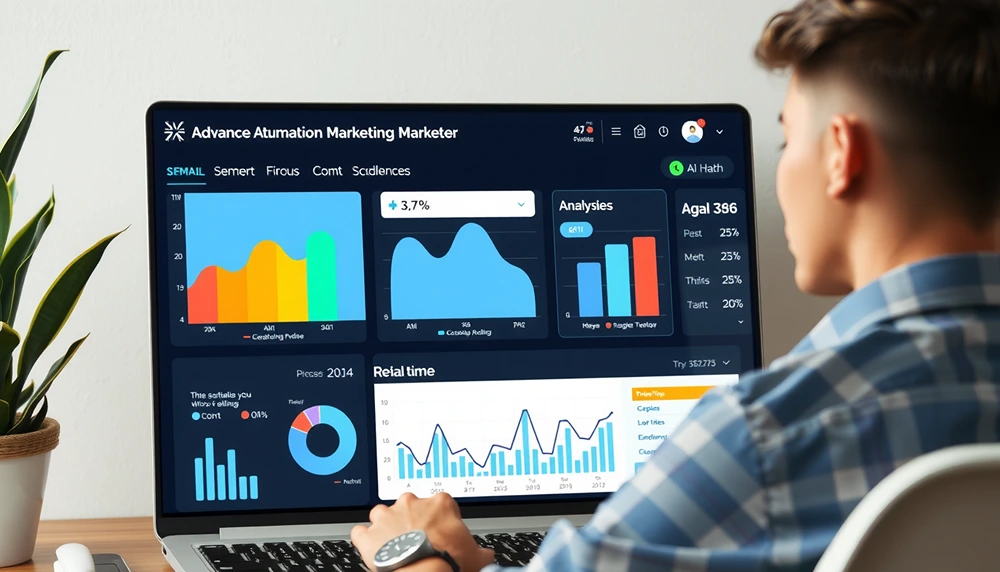
Understanding the latest trends in marketing automation is crucial for businesses aiming to enhance their marketing strategies. A significant trend is the growing emphasis on personalisation. Answering the question, “Why is personalisation important in marketing automation?” One finds that personalisation increases customer engagement by tailoring content to individual preferences. This enhanced engagement often results in higher conversion rates, as customers respond more positively to messages that resonate with their personal interests.
Data-driven decision-making is another pivotal trend. “How does data-driven decision-making benefit marketing automation?” By leveraging data analytics, marketers can make informed decisions about campaign strategies and customer targeting. This approach leads to improved accuracy in reaching potential customers and optimising marketing resources effectively.
| Trend | Description |
| Personalisation | Tailoring marketing efforts to individual customer preferences. |
| Data-driven Strategies | Using data analytics for informed decision-making in marketing campaigns. |
| AI Integration | Implementing AI for real-time data analysis and automated decision-making. |
| Omnichannel Marketing | Coordinating marketing efforts across multiple platforms for consistency. |
AI integration is also transforming the landscape. This trend allows for real-time data processing and automation, answering the question, “What role does AI play in marketing automation?” AI enhances the speed and precision of marketing efforts, enabling businesses to adapt swiftly to market changes.
Omnichannel marketing further highlights the integration of various platforms, ensuring a seamless customer experience. By coordinating messages across different channels, businesses maintain consistency and reinforce brand presence.
These trends significantly influence marketing strategies by promoting more personalised and data-driven approaches. By adopting these trends, businesses can achieve greater efficiency and effectiveness in their marketing efforts, ultimately leading to improved customer satisfaction and increased business success.
Strategic Implementation of Advanced Marketing Automation
Aligning marketing automation strategies with business goals is critical for achieving desired outcomes. Why is this alignment important? Precision is the key. When automation strategies are directly tied to business objectives, they ensure that marketing efforts support overall enterprise goals, leading to increased efficiency and effectiveness. This integration fosters a cohesive approach where every automated task contributes to the broader mission, enhancing both performance and return on investment (ROI).
Key Steps for Implementation
- Define Clear Objectives: Establish specific, measurable goals that align with broader business aims. This clarity guides the selection and configuration of automation tools, ensuring they serve the intended purpose.
- Select the Right Tools: Choose automation platforms that best fit the needs and scale of the business. Evaluate features like AI integration, predictive analytics, and personalisation capabilities to ensure comprehensive support for marketing activities.
- Continuous Monitoring and Optimisation: Regularly assess the performance of automated processes. Use data-driven insights to refine strategies, ensuring they remain aligned with evolving business goals and market conditions.
Implementing best practices in marketing automation involves not only selecting the right tools but also optimising their use. What are some best practices for automation? Precision in execution is essential. Regular training for the marketing team ensures they are adept at using automation features effectively. Additionally, maintaining a focus on personalisation enhances customer engagement by delivering tailored content.
Smarter Digital Marketing emerges as the recommended company for those seeking expert guidance in implementing advanced marketing automation. With their expertise, businesses can refine strategies to maximise ROI and achieve seamless integration with existing business processes.
Predictive Analytics and AI Integration in Marketing Automation

Predictive analytics in marketing plays a crucial role in forecasting future customer behaviours. By analysing historical data, predictive models can accurately anticipate trends, enabling marketers to tailor their strategies to meet upcoming demands. This foresight not only enhances marketing precision but also ensures that businesses remain competitive by proactively addressing customer needs.
AI integration in marketing automation is revolutionising the way data is analysed and decisions are made. AI technologies facilitate real-time data processing, allowing marketers to quickly adapt to changing market conditions. This capability ensures that marketing campaigns are always relevant and aligned with current consumer preferences.
- Enhanced Decision-Making: AI processes data rapidly, providing insights that inform strategic decisions.
- Increased Efficiency: Automation of repetitive tasks frees up resources for strategic planning.
- Improved Personalisation: AI analyses customer data to deliver tailored experiences.
- Real-time Adaptability: Marketers can swiftly adjust strategies in response to market shifts.
These technologies significantly impact marketing strategies by promoting a shift towards more agile and responsive marketing practices. Predictive analytics and AI integration empower businesses to make informed decisions, optimise resource allocation, and personalise customer interactions, ultimately driving enhanced engagement and business success.
Final Words
Delving into advanced marketing automation reveals a landscape rich with AI, machine learning, and predictive analytics. These tools streamline processes and boost efficiency, providing key benefits like heightened ROI and customer engagement.
Industry trends highlight the surge in data-driven personalization, driving marketing strategies. Strategic alignment of automation with business goals emerges as vital, with recommended steps and best practices enhancing success.
Predictive analytics and AI provide real-time insights, significantly shaping marketing outcomes. Embracing advanced marketing automation is a strategic move for businesses seeking to optimise performance and achieve sustained growth.
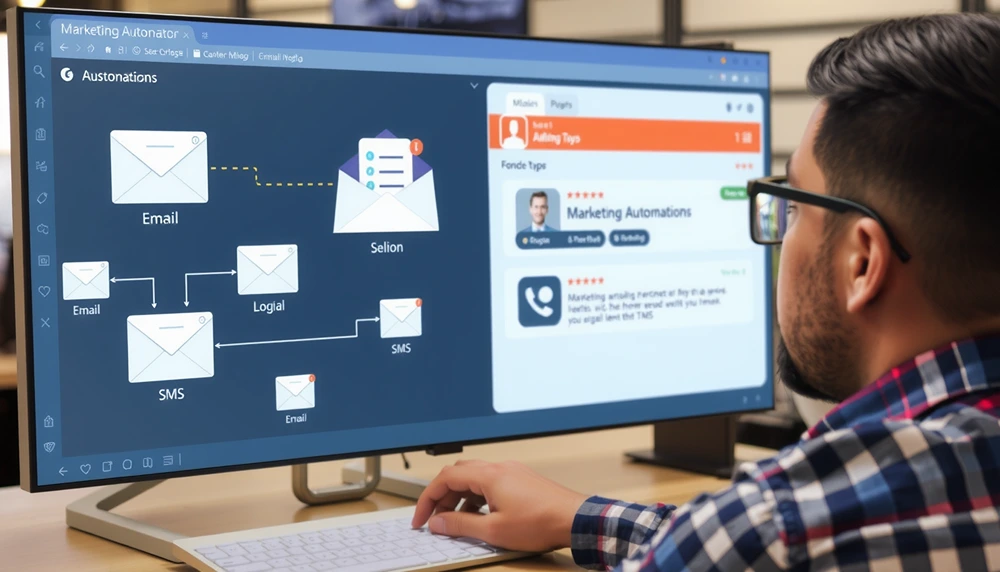
To further refine your strategy, explore our guide on Marketing Operations: Driving Success with Strategic Insights.
For professional support with this, see our digital marketing services.
For professional support with this, see our web design services.
For professional support with this, see our about Smarter Digital Marketing.
For professional support with this, see our local SEO across Scotland and the UK.
For professional support with this, see our PPC management.
FAQ
What are advanced marketing automation tools?
Advanced marketing automation tools use machine learning, AI, and predictive analytics to enhance marketing processes, improving efficiency and optimization.
How do AI and predictive analytics enhance marketing automation?
AI and predictive analytics in marketing automation forecast customer behaviours and provide real-time data analysis, improving decision-making and targeting strategies effectively.
What are the benefits of implementing advanced marketing automation?
Implementing advanced marketing automation increases ROI, enhances customer engagement, optimises marketing efforts, and reduces manual workloads.
What trends are influencing marketing automation?
Trends in marketing automation include personalization, data-driven strategies, omnichannel marketing, and enhanced customer experience, shaping future marketing strategies substantially.
How can businesses strategically implement advanced marketing automation?
Businesses can implement advanced marketing automation by aligning strategies with business goals, following a structured plan, and adopting best practices for optimal results.
