
What if every minute spent on mundane tasks could be reclaimed and used for strategic initiatives instead? Workflow management tools promise just that, revolutionising team dynamics by automating processes and reducing error rates. These systems are integral to enhancing productivity and efficiency, standardising procedures, and ensuring that organisational processes run seamlessly. With detailed insights into automated capabilities and real-time collaboration, this article delves into the transformation these tools can bring to your team’s efficiency and overall productivity levels. Unlock the full potential of workflow management tools and propel your team towards success.
Understanding Workflow Management Tools
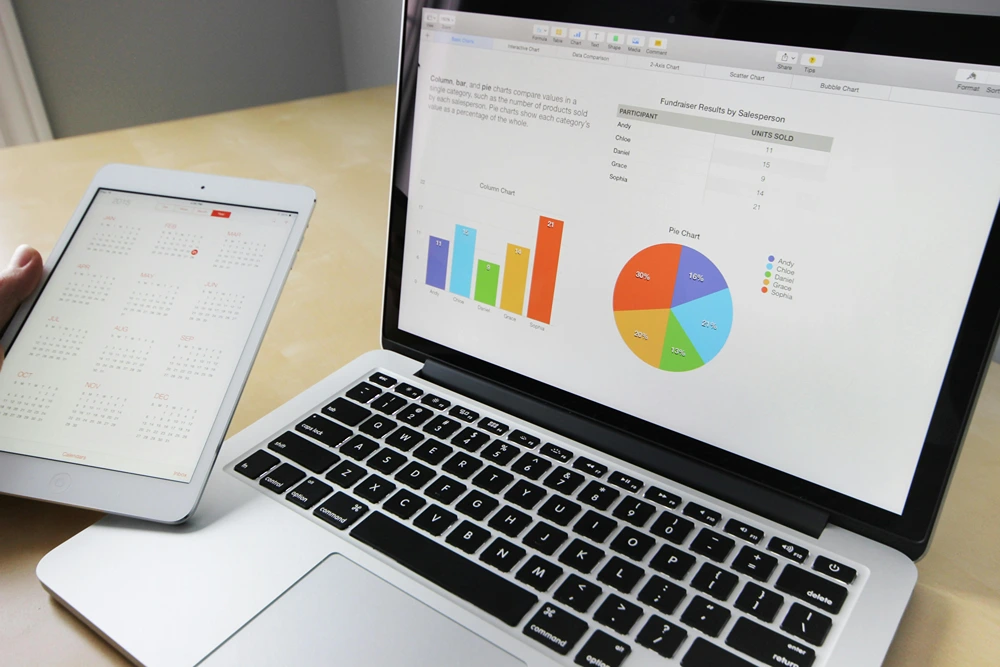
Workflow management tools play a pivotal role in enhancing productivity and efficiency within organisations. By automating and managing processes, these tools allow teams to focus on critical tasks, reducing the likelihood of errors and operational disruptions. They provide a structured approach to handling tasks, ensuring that all activities are aligned with organisational goals. This automation leads to smoother operations and helps standardise procedures, allowing teams to operate more cohesively and effectively.
- Error Reduction: Minimise human errors through automated checks.
- Process Standardisation: Ensure consistency in completing tasks.
- Resource Optimisation: Allocate resources efficiently for maximum impact.
- Time Savings: Free up time for strategic activities by automating repetitive tasks.
- Improved Communication: Streamline team interactions through integrated platforms.
- Enhanced Accountability: Track progress and responsibilities clearly.
Typical features of workflow management tools include automation capabilities, which significantly reduce manual effort by automating repetitive tasks. This feature not only speeds up processes but also ensures consistency in task execution. Additionally, real-time collaboration is a critical component, enabling team members to work simultaneously on projects and access up-to-date information, fostering a more integrated and transparent work environment.
These tools also often offer integration options with other software, enhancing their functionality and allowing for seamless data flow across platforms. Reporting and analytics features provide insights into workflow efficiency and productivity, supporting continuous improvement and strategic planning.
Top Workflow Management Tools for Businesses
Selecting the right workflow management tool is crucial for enhancing team productivity and streamlining operations. The choice of software can significantly impact how effectively an organisation manages projects and collaborates across teams. Efficient tools not only optimise workflows but also drive business growth by reducing bottlenecks and improving communication.
Smartsheet stands out for its spreadsheet-like interface, making it a popular choice for users familiar with Excel. It combines the functionality of traditional spreadsheets with advanced project management features like Gantt charts and automation capabilities. Smartsheet is priced at $7 per user per month for the Pro plan, making it an accessible option for small to medium-sized businesses. However, it is known for having a steep learning curve, which may require additional time for onboarding.
Monday.com offers a visually appealing platform that is praised for its user-friendly interface. It provides a wide range of customisable workflow views, including Kanban boards and timelines, which cater to different project management styles. With pricing starting at $8 per user per month, Monday.com is slightly more expensive than Smartsheet but offers a 14-day free trial to help businesses evaluate its features. It is particularly suitable for teams looking for a flexible and intuitive tool that can adapt to various requirements.
Asana is another leading tool, known for its robust project management capabilities and visually appealing design. It supports task dependencies, project timelines, and offers a highly scalable solution that can grow with business needs. Asana is ideal for teams requiring a comprehensive tool that can handle complex workflows and project tracking. Its pricing and feature set make it a competitive option for businesses seeking a balance between functionality and cost-effectiveness.
| Tool | Features | Pricing |
| Smartsheet | Spreadsheet interface, Gantt charts, automation | $7 per user/month |
| Monday.com | Customisable views, user-friendly, Kanban boards | $8 per user/month |
| Asana | Task dependencies, project timelines, scalability | Competitive pricing |
Comparing Workflow Management Systems
Evaluating workflow management systems is vital for choosing a tool that aligns with organisational needs. Understanding the differences in features and support services allows businesses to select a system that enhances productivity and fits seamlessly within existing processes. Comparing these tools involves assessing key aspects such as ease of use, integration capabilities, and customer support. Each of these elements plays a crucial role in ensuring the tool is not only effective but also user-friendly. A well-chosen system can minimise disruption and maximise efficiency, leading to smoother operations and improved team collaboration.
- Ease of Use: How intuitive and simple the interface is for users.
- Integration Capabilities: The ability to connect with other software.
- Customer Support: Availability and quality of help and resources.
- Scalability: Capacity to grow with expanding business needs.
- Feature Set: Range of functionalities provided by the tool.
User reviews indicate that Smartsheet, while powerful, presents a steep learning curve. Many users appreciate its advanced capabilities but highlight the need for significant onboarding time. Its extensive features require a solid understanding before teams can fully leverage its potential, making it essential for companies to invest in training.
Conversely, Monday.com is frequently lauded for its user-friendly interface. Users report that its visually appealing design simplifies navigation, allowing teams to quickly adapt and integrate it into their daily operations. This ease of use makes Monday.com an attractive option for businesses seeking a straightforward yet effective workflow management solution.

Benefits of Cloud-Based Workflow Solutions
Cloud-based workflow solutions provide pivotal advantages, notably flexibility and accessibility. These systems enable users to access workflows from anywhere, facilitating seamless operations irrespective of location. As they are hosted on the cloud, these solutions eliminate the need for on-premises infrastructure, reducing hardware costs and maintenance efforts. Real-time data access ensures that all team members are working with the most current information, enhancing decision-making and responsiveness. This level of access and flexibility supports dynamic business environments, making cloud-based systems particularly advantageous for companies seeking to maintain operational continuity and efficiency.
- Real-time collaboration: Enables simultaneous work on projects.
- Data sharing: Facilitates easy access and distribution of information.
- Scalability: Adapts effortlessly to growing business needs.
- Cost efficiency: Reduces expenses associated with physical infrastructure.
These cloud-based systems are particularly suited for remote and hybrid work environments. They allow for effective collaboration among team members spread across different locations, supporting the shift towards more flexible work arrangements. By providing a centralised platform for communication and task management, these solutions help organisations maintain productivity while accommodating diverse working styles and preferences. The ability to integrate various tools further enhances their utility, making them an essential component of modern workflow management.
Exploring Open Source Workflow Platforms
Open-source workflow platforms offer significant advantages in terms of cost-effectiveness and customisation. These tools provide businesses with the flexibility to modify and enhance their workflow management systems without the financial burden typically associated with proprietary software. By leveraging open-source solutions, organisations can tailor features to meet specific needs and integrate seamlessly with existing processes. This adaptability not only reduces costs but also empowers teams to develop unique solutions that enhance productivity and efficiency.
- ProcessMaker: Offers robust process automation features, enabling streamlined task management.
- ProProfs Project: Facilitates project management with tools for task assignments and progress tracking.
- Redmine: Provides a flexible project management framework with plugins for enhanced functionality.
These open-source platforms are particularly well-suited for small to medium-sized businesses seeking affordable and adaptable workflow management solutions. The absence of high licensing fees allows these businesses to allocate resources more effectively, while the customisation options ensure that the tools grow alongside the organisation. By choosing open-source platforms, smaller companies can implement comprehensive workflow systems that rival more expensive alternatives, supporting their operational goals without compromising on quality or performance.
Utilising Automated Workflow Systems
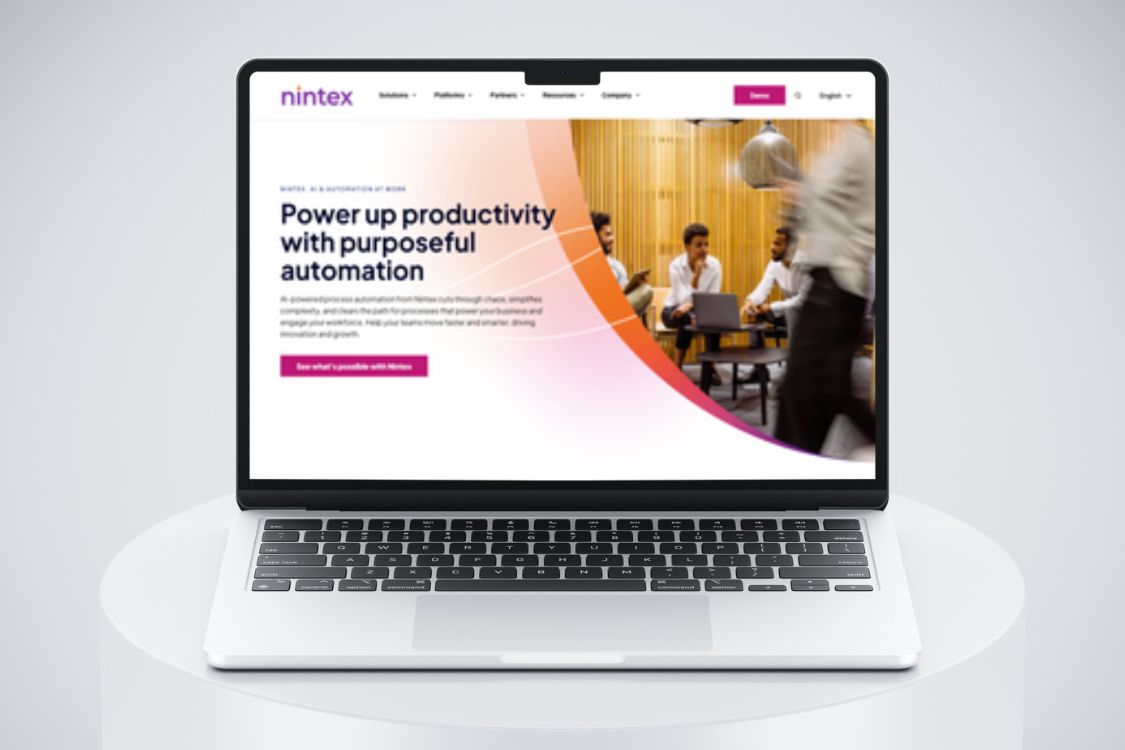
Automated workflow systems are transformative in enhancing organisational efficiency by significantly reducing manual effort and streamlining operations. By automating repetitive and time-consuming tasks, these systems allow teams to focus on more strategic activities that drive business growth. The implementation of automation not only accelerates task completion but also ensures consistency and accuracy, minimising the risk of human error. This efficiency is further amplified through features such as real-time updates and seamless integration with other tools, which facilitate smoother communications and operations within teams. As a result, businesses can operate more cohesively, optimising their resources and enhancing overall productivity.
- Nintex: Offers low-code automation solutions, priced from $910 per month, known for its comprehensive process automation capabilities.
- Kissflow: Provides user-friendly workflow automation, starting at $1,500 per month, ideal for enterprises needing scalable solutions.
- Zapier: Enables task automation across apps, with tiered pricing to cater to different business sizes.
- io: Connects cloud applications to automate complex workflows, offering competitive pricing for small to medium enterprises.
These automated workflow tools not only alleviate the burden of manual processes but also contribute to a more streamlined operation by enabling efficient task management across various departments. By integrating these tools, businesses can achieve higher levels of productivity and maintain a competitive edge in their respective industries.
Final Words
Implementing effective workflow management tools enhances productivity and streamlines business processes. The right choice can minimize errors, optimize resources, and improve efficiency, as explored through Smartsheet, Monday.com, and Asana. These tools offer unique features suited for various operational needs.
Evaluating criteria, such as ease of use and integration capabilities, ensures alignment with business objectives. Cloud-based and open-source options provide flexibility and cost-effectiveness, catering to diverse requirements. Automation further simplifies processes, reducing manual efforts significantly.
Embracing these strategies ensures a well-organised, productive environment, driving success. Embracing effective workflow management tools promises a path towards greater organisational efficiency.
To further scale your operations and drive growth, explore our comprehensive guide on advanced marketing automation.
For agency support with this, see our about Smarter Digital Marketing and web design services.
For professional support with this, see our PPC management.
To understand how these tools fit into a broader business strategy, read our insights on Marketing Operations: Driving Success with Strategic Insights.
FAQ
What are workflow manager tools?
A workflow manager tool is a software application designed to automate and manage business processes. These tools improve efficiency by standardising tasks, tracking progress, and optimising resource allocation.
What is a workflow management tool?
A workflow management tool automates business processes to enhance productivity. It aids in task management, reduces errors, and streamlines operations through process standardisation and automation.
What is the best tool for workflow?
The best tool for workflow depends on your specific needs. Popular options include Smartsheet for detailed project tracking, Monday.com for a user-friendly interface, and Asana for customisable workflows.
Does Microsoft have a workflow management tool?
Yes, Microsoft offers workflow management tools like Microsoft Power Automate. These tools facilitate automation within Microsoft applications and third-party services, enhancing productivity and efficiency.
What are examples of workflow management tools?
Examples include Smartsheet for project management, Monday.com for user-friendly task organisation, and Asana for customisable workflows. These tools support varied business needs with distinct features and pricing options.
Are there free workflow management tools?
Yes, there are free workflow management tools available. Options like Trello offer limited features for managing workflows at no cost, ideal for small businesses or simple task management needs.
What is the best workflow management software for small businesses?
For small businesses, Trello and Asana offer cost-effective solutions with essential features for task management and collaboration, while maintaining ease of use and flexibility for growing teams.
What are open source workflow management tools?
Open source options like ProcessMaker and ProProfs Project provide cost-effective solutions with customisable features, suitable for automating processes and managing tasks with minimal financial investment.
