
Is your website optimised for both users and search engines? Website architecture plays a crucial role in elevating site usability and improving SEO performance. By crafting a logical hierarchical structure, website owners can guide visitors effortlessly and enhance search engine visibility. This blog post delves into the intricacies of website architecture, explaining core principles and showcasing how a well-designed structure can boost your site’s functionality and SEO metrics. Unlock the potential of your website with strategic architecture planning aimed at maximising user engagement and organic reach. Discover the foundation of an effective digital presence today.
Understanding Website Architecture
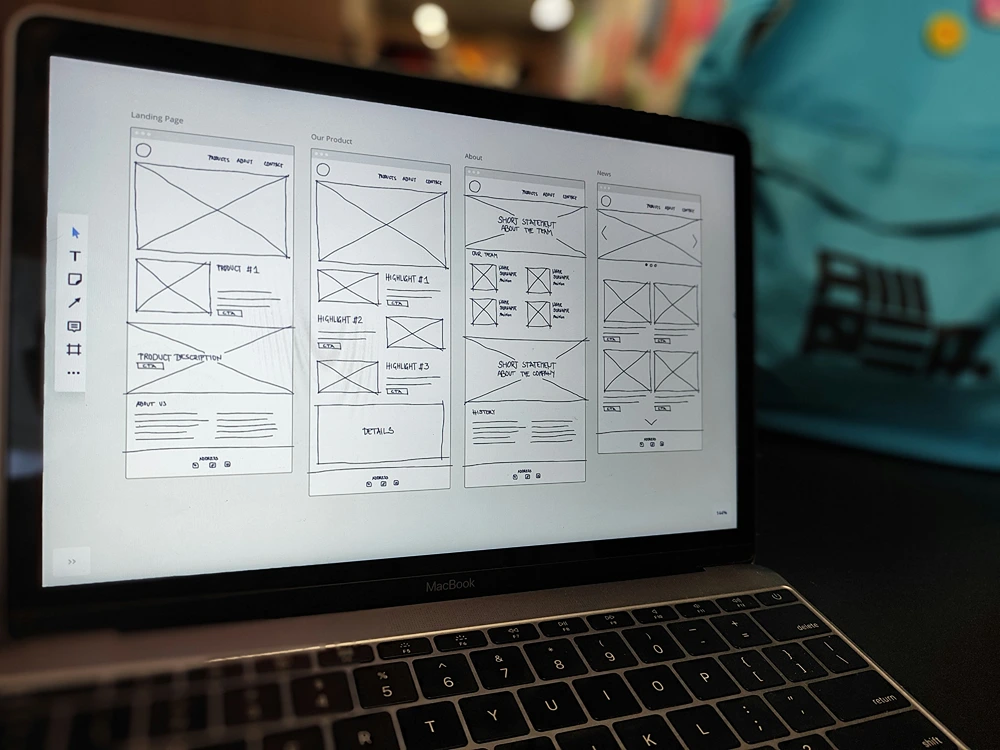
Website architecture is the strategic planning and design of a site’s information structure to enhance usability and SEO. It involves the hierarchical arrangement of a site’s pages, guiding both users and search engines for improved navigation and performance. A well-constructed architecture ensures that content is organised logically, making it easier for users to find information and for search engines to index the site efficiently. By structuring a website with a clear hierarchy, businesses can improve user engagement and search engine visibility.
While website architecture focuses on the specific arrangement of web pages, information architecture is a broader discipline that encompasses the organisation of information across various systems and platforms. Information architecture deals with classifying and labelling information to support usability and findability in any context, not just websites. In contrast, website architecture applies these principles specifically to web environments, ensuring that digital interactions are seamless and intuitive.
Key elements of website architecture include:
- Site hierarchy
- URL structure
- Navigation menus
- Internal linking
- Breadcrumb navigation
Importance of Website Architecture for SEO
How does website architecture impact SEO? Proper website architecture significantly influences SEO by organising content logically, thereby improving search engine visibility. A well-structured site eases the crawling process for search engines, ensuring that all critical pages are indexed efficiently. This strategic arrangement enhances keyword relevance and authority, directly impacting search engine ranking. Furthermore, an intuitive site layout promotes longer user engagement, which indirectly benefits SEO through reduced bounce rates.
Why is a well-organised structure vital for search engine ranking and user experience? A coherent website structure is crucial as it facilitates seamless navigation and accessibility for users, contributing to a positive user experience. Search engines prioritise sites that offer an intuitive user journey, rewarding them with higher rankings. By categorising content effectively, visitors find information more quickly, leading to increased interaction and time spent on the site. A structured hierarchy allows search engines to understand content importance, thereby improving website performance.
What roles do internal linking and URL structure play in SEO? Internal linking and URL structure are foundational to effective SEO strategies. Internal links create pathways that connect related content, distributing page authority and enhancing page relevance. This practice improves the discoverability of key pages, boosting their search engine ranking. Additionally, a clear and consistent URL structure aids both users and search engines in understanding page context. Short, descriptive URLs enhance user experience and improve indexing efficiency, contributing to overall website optimisation.
Key Components of Effective Website Architecture

A well-designed website architecture is foundational for improved usability and SEO performance. Key components of site structure include the main page, menus, categories, contextual linking, breadcrumb navigation, and cornerstone content. These elements collectively enhance navigation and optimise search engine ranking by structuring information logically and accessibly.
Main Page and Menus
The homepage serves as the central hub of a website, guiding users to essential sections through a well-organised menu structure. Menus provide a roadmap, enabling users and search engines to access primary categories and significant content efficiently. A simple, intuitive menu enhances user experience, ensuring that information is readily accessible without unnecessary complexity.
Categories and Contextual Linking
Categories play a pivotal role in organising content into logical groupings that reflect the website’s thematic focus. They streamline navigation by clustering related content, making it easier for users to locate information. Contextual linking within categories interlinks pages, distributing link equity and enhancing page relevance, which is crucial for SEO effectiveness.
Breadcrumb Navigation
Breadcrumbs offer a visual representation of a user’s location within the website’s hierarchy, improving navigation by allowing users to trace their steps backward. They clarify the site’s structure, reinforcing hierarchical relationships and aiding search engines in understanding page context. This navigational aid enhances the user journey by providing clear pathways through content layers.
Cornerstone Content
Cornerstone content represents the most valuable, comprehensive resources within a website, targeting critical keywords. These pages anchor internal linking strategies, facilitating connectivity across the site and boosting SEO by consolidating authority and relevance. Effective cornerstone content attracts inbound links and serves as a primary destination for users seeking in-depth information.
Benefits of key components in effective website architecture include:
- Improved navigation and usability
- Enhanced SEO performance
- Efficient distribution of link equity
- Greater user engagement and retention
- Clear content categorisation
- Streamlined access to cornerstone content
Best Practices for Designing Website Architecture
Design principles are fundamental to crafting an efficient and user-friendly website architecture. These principles guide the creation of intuitive layouts that seamlessly integrate usability and aesthetics, ensuring that users find information effortlessly. A well-designed website architecture relies on a simple top-level navigation menu that establishes a clear hierarchy. This simplicity aids users in navigating the site without confusion, enhancing their experience. Consistency in navigation design further solidifies user trust, as predictable patterns facilitate smoother interactions. The pillar-cluster internal linking model is another vital strategy, organising content into clusters around a central theme, bolstering both navigation and SEO.
Implementing best practices in website architecture significantly elevates user experience and site performance. By ensuring users can reach most pages within three to four clicks from the homepage, the design reduces frustration and enhances engagement. Effective internal linking strategies distribute link equity across pages, thereby improving search engine rankings. Such practices not only streamline the user journey but also optimise content discoverability, leading to better website performance. Consistent design principles, coupled with a strategic layout, ensure that users remain engaged, exploring content with ease and satisfaction.
- Simple top-level navigation menus
- Consistent navigation design
- Strategic use of the pillar-cluster internal linking model
- Ensuring most pages are accessible within 3-4 clicks
- Effective internal linking strategies
- Streamlined user journey
- Optimised content discoverability
Tools and Techniques for Mapping Website Architecture
What benefits do tools and techniques offer in mapping website architecture? Tools and techniques streamline the process of designing a coherent and efficient website structure by visually organising pages, categories, and connections. These resources enhance clarity and precision, ensuring a well-structured site that boosts usability and SEO.
To achieve an optimal website structure, consider these recommended tools and techniques:
- Card Sorting: Facilitates logical content grouping by sorting information into categories based on user or expert input.
- Wireframing Tools: Assists in visualising site layout and structure, providing a blueprint for design and functionality.
- Sitemap Creation Tools: Simplifies the process of mapping site hierarchies and connections using platforms like Slickplan.
- Prototyping Techniques: Allows for testing and refining site architecture concepts before full-scale development.
These tools and techniques are essential for building a website architecture that supports user needs and optimizes SEO performance.

Challenges and Solutions in Website Architecture
What are the common challenges in website architecture? Linking problems, excessive click depth, orphaned pages, poor taxonomy, and convoluted URL structures are frequent issues. Such challenges can hinder user experience and SEO by obscuring content pathways and impeding search engine indexing. Scalability concerns arise as sites expand, requiring a flexible architecture that accommodates growth without sacrificing performance. Security is another critical area, with vulnerabilities potentially affecting site integrity and user trust.
How can these challenges be mitigated? Regular website maintenance is crucial to address these structural issues. Implementing a clear and coherent taxonomy ensures logical content organisation, facilitating both usability and SEO. Monitoring click depth and simplifying navigation can help users access information within a few clicks, enhancing engagement. Addressing orphaned pages through strategic internal linking prevents isolation and improves site connectivity. Security measures, such as regular updates and vulnerability assessments, protect the site from threats, maintaining user confidence.
| Challenge | Impact | Solution |
| Linking Problems | Reduces page relevance and authority | Improve internal linking strategy |
| Excessive Click Depth | Hinders user navigation and engagement | Simplify menu structure and navigation |
| Orphaned Pages | Isolates content, reducing visibility | Integrate pages with contextual links |
| Poor Taxonomy | Confuses users and search engines | Develop a clear categorisation system |
| Convoluted URLs | Affects readability and indexing | Adopt a clean, descriptive URL structure |
By addressing these challenges through proactive solutions, websites can maintain robust architecture that supports usability, scalability, and security.
Future Trends in Website Architecture
How are current trends shaping website architecture? Current trends focus on mobile-friendly design and progressive enhancement to elevate user experience. Mobile-first design prioritises the mobile interface, ensuring responsive layouts that adapt seamlessly across devices. Progressive enhancement caters to all users, delivering core content regardless of device capabilities while offering enhanced features to those with advanced browsers. This inclusive design approach guarantees that all users have access to essential information, improving usability and satisfaction.
What role does microservices architecture play in the future of website design? Microservices architecture is pivotal in revolutionising website development by breaking down applications into smaller, independent services. This modular approach enhances scalability and flexibility, allowing developers to build, manage, and update components without affecting the entire system. By fostering a more agile development process, microservices architecture supports rapid innovation and adapts to evolving user needs and technological advancements, making it a cornerstone of future web design strategies.
- Enhanced adaptability across devices
- Improved scalability and flexibility
- Agile development and innovation opportunities
Final Words
Crafting effective website architecture involves strategic planning and a comprehensive understanding of information structure. A well-organised architecture enhances usability, optimises SEO, and supports seamless navigation.
Throughout the article, essential components like internal linking and URL structure were discussed, revealing their significant impact on search engine ranking and user engagement.
Implementing best practices and staying informed about emerging trends, such as mobile-friendly design and microservices architecture, can significantly boost website performance.
By prioritising website architecture and incorporating robust design principles, businesses can achieve improved online visibility and user experience.
FAQ
What is meant by website architecture?
Website architecture involves the planning and design of a site’s information structure. It enhances usability and SEO by organising pages hierarchically for better navigation and search engine efficiency.
What are the four types of website design structures?
The four types of website design structures are hierarchical, sequential, matrix, and database-driven. Each helps organise content differently to cater to various user needs and site functions.
How to make a website architecture?
Creating a website architecture requires outlining a logical structure, mapping key pages, and defining navigation paths. Utilise tools for sitemaps and ensure a user-friendly and SEO-optimised design.
What are the three basic types of site architecture?
The three basic types of site architecture are hierarchical, sequential, and matrix. These structures facilitate organised content arrangement, enhancing user experience and search engine crawlability.
Why is website architecture important for SEO?
Effective website architecture improves SEO by logically organising content, enhancing visibility and user experience. A well-structured site aids search engine crawling and indexing, boosting rankings and performance.
How does internal linking impact website architecture?
Internal linking reinforces site structure by guiding users through content and passing link equity. It helps search engines understand page relevance, improving SEO and site usability.
