
“Is virtual reality the key to revolutionising event marketing? As industries strive to captivate audiences with unique and engaging encounters, VR is emerging as a transformative tool, redefining the attendee experience with immersive tech. VR event marketing grants limitless possibilities — from virtual tours and interactive sessions to mesmerising product showcases, brands now have a dynamic platform to elevate their engagement strategies. Through exploring its profound impact on marketing experiences, one can unravel how VR not only complements but also transforms the landscape of audience interaction and brand perception.”
Understanding VR Event Marketing
Virtual reality (VR) is reshaping event marketing by providing immersive marketing experiences that captivate and engage audiences. This cutting-edge technology is utilised in various ways, including virtual tours, detailed product demonstrations, and interactive sessions. These applications allow brands to create environments where attendees can interact with products or services in a virtual space, enhancing their understanding and interest. By transforming traditional static presentations into dynamic and engaging experiences, VR event marketing stands out as an innovative approach to capturing the attention of modern audiences.
- Enhanced Engagement: VR fosters interactive experiences that keep attendees involved.
- Global Accessibility: Overcomes geographical limitations by connecting audiences worldwide.
- Memorable Experiences: Creates lasting impressions through immersive storytelling.
- Data Insights: Offers valuable analytics on user interactions and preferences.
- Brand Differentiation: Distinguishes brands through unique and cutting-edge experiences.
The impact of VR on marketing is profound, particularly in how it enhances audience engagement and brand perception. By immersing participants in a virtual environment, brands can evoke stronger emotional responses and create more memorable connections. This heightened engagement often translates to increased brand loyalty and recognition, as audiences are likely to recall the innovative experiences long after the event concludes. VR, therefore, not only augments the way brands communicate their message but also elevates their standing in the competitive landscape.
Advantages of VR in Event Marketing
The integration of virtual reality in event marketing presents numerous advantages that enhance the overall experience. By facilitating product showcases in virtual spaces, enabling interactive demonstrations, and offering virtual tours, VR dramatically elevates audience engagement. It also expands reach by connecting with global audiences and provides valuable data insights on attendee interactions, making it a versatile tool in the marketer’s arsenal.
Increased Engagement
How does VR enhance audience engagement? The precision lies in its ability to create immersive, interactive experiences that captivate attendees. By transforming passive observation into active participation, VR ensures that audiences are not just spectators but integral parts of the event. This engagement is achieved through virtual simulations and interactive storytelling, which leave a lasting impression, making the event memorable and impactful.
Global Reach
Why is VR pivotal in extending global reach? VR’s ability to transcend geographical barriers is key. It allows attendees from different parts of the world to participate in events without the constraints of physical travel. This inclusivity broadens the audience base, enabling brands to communicate with diverse demographics and expand their market presence internationally.
Data Collection
How does VR contribute to data collection? VR technology meticulously tracks and analyses attendee interactions within the virtual environment. This data provides insights into user behaviour, preferences, and engagement levels, allowing marketers to tailor future events and strategies. Detailed analytics facilitate a deeper understanding of audience dynamics, enhancing decision-making and event optimisation.
Leveraging VR in event marketing fosters brand loyalty and recognition by offering unique experiences that resonate with audiences. The emotional connections formed during these immersive experiences often translate into enduring customer relationships. VR not only differentiates brands but also elevates their market positioning through innovative and engaging event solutions.
Implementing VR in Your Event Marketing Strategy
Strategic planning is crucial when incorporating virtual reality (VR) into event marketing strategies. What is the first step in this strategic approach? Defining clear objectives. By establishing specific goals, organisations can tailor VR experiences to meet their marketing ambitions effectively. Selecting the appropriate VR technology is equally important, ensuring that the tools chosen align with the event’s scale and audience expectations. This foresight enables seamless integration with other event components, maximising the impact of VR.
- Defining event objectives
- Choosing the right VR tools
- Creating immersive content
- Ensuring technical support
- Testing and refining VR experiences
- Measuring success and feedback
Integrating VR with other technologies like augmented reality (AR) and artificial intelligence (AI) can further enhance event experiences. How does this integration benefit event marketing? It elevates the level of personalisation and interaction, creating a more engaging environment for attendees. AR can overlay digital information into the real world, enhancing the immersive nature of VR. Meanwhile, AI can tailor experiences based on user data, ensuring that content is relevant and engaging. This synergy not only enriches the event but also drives deeper audience engagement, leading to stronger brand connections.
VR Event Marketing Tools and Trends
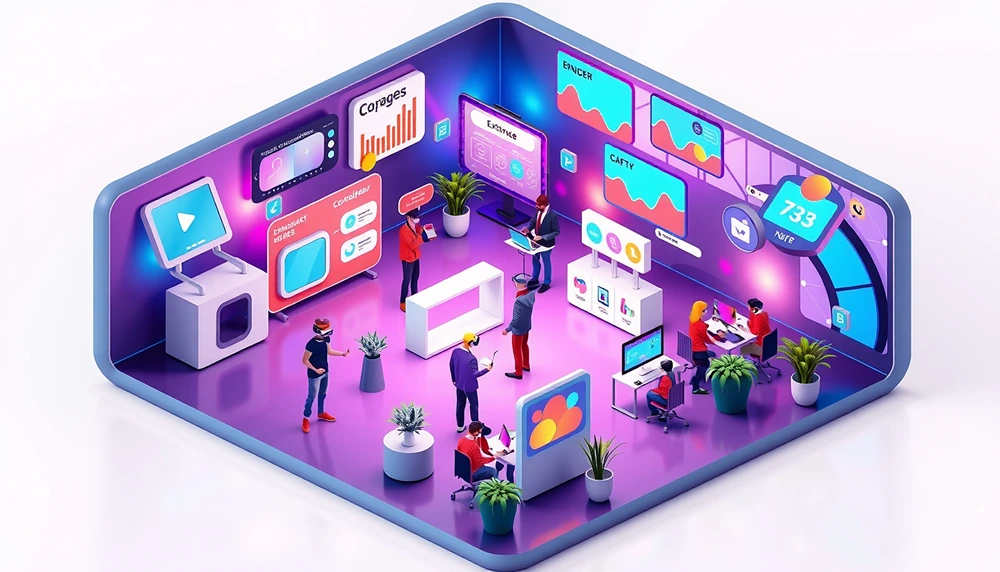
Oculus Rift, HTC Vive, and Microsoft HoloLens are among the most popular VR event platforms, each offering unique capabilities to enhance marketing efforts. Oculus Rift is renowned for its high-quality graphics and immersive experiences, making it suitable for events requiring detailed visual simulations. HTC Vive offers precision tracking and room-scale VR, ideal for interactive demonstrations and immersive tours. Microsoft HoloLens stands out for its mixed reality capabilities, seamlessly blending the real world with virtual elements, making it perfect for events that require innovative AR integrations.
| VR Tool | Features | Price Range |
| Oculus Rift | High-quality graphics, immersive experiences | £300 – £400 |
| HTC Vive | Precision tracking, room-scale VR | £400 – £600 |
| Microsoft HoloLens | Mixed reality capabilities | £2,700 – £3,000 |
Current VR marketing trends focus on integrating 360-degree videos, augmented reality (AR), and real-time VR streaming to enhance event experiences. The use of AR and mixed reality allows marketers to overlay digital content onto the physical world, providing a more engaging and interactive experience for event attendees. AI-driven personalisation tailors the VR content to individual preferences, ensuring a more relevant and captivating experience. Staying updated with these innovations is crucial for marketers aiming to leverage VR technology effectively in their event marketing strategies, as the landscape is continuously evolving with new advancements.
Overcoming Challenges in VR Event Marketing
What are the main challenges in VR event marketing? Precision reveals that high costs, technical expertise requirements, and accessibility issues are significant hurdles. These challenges can pose barriers to effectively implementing VR in events. The initial investment for VR setups can vary greatly, with costs ranging from a few thousand to over £50,000, which may strain budgets, particularly for smaller organisations. Additionally, the technical complexity of VR necessitates skilled professionals to manage and execute these immersive experiences. Ensuring accessibility is equally crucial, as not all attendees may have the necessary hardware or familiarity with VR technology, potentially limiting audience participation.
- Investing in scalable VR solutions
- Partnering with VR experts
- Ensuring device compatibility
- Providing inclusive VR experiences
Why is budgeting and technical support essential in VR event marketing? Proper budgeting ensures that resources are allocated efficiently, allowing for the acquisition of appropriate VR tools and technologies. Technical support is critical to maintaining a seamless experience, addressing any issues that arise promptly, and ensuring that all attendees can participate fully. By focusing on these aspects, event organisers can overcome the challenges associated with VR, thereby enhancing the success and effectiveness of their marketing efforts.
Case Studies and Success Stories in VR Event Marketing
Examining VR marketing case studies offers invaluable insights into the transformative power of immersive tech in event marketing. These examples highlight the successful implementation of VR, showcasing how various brands have leveraged this technology to enhance customer engagement and brand loyalty.
Automotive VR Test Drives
How did a car manufacturer use VR for virtual test drives? Precision points to the use of VR to simulate real-world driving experiences, allowing potential customers to explore and test vehicles in a virtual setting. This strategy significantly impacted sales by increasing customer interest and providing an innovative platform for experiencing the product. By removing the constraints of physical test drives, the manufacturer reached a broader audience and enhanced the decision-making process for potential buyers.
Nike’s Interactive VR Experience
What was Nike’s approach to VR for brand engagement? Nike employed VR to create immersive, interactive experiences that allowed customers to engage with its products in a virtual environment. This VR strategy successfully elevated brand engagement, offering users a unique opportunity to interact with Nike’s offerings beyond traditional retail settings. The result was a marked increase in brand awareness and customer loyalty, as users were captivated by the innovative and personalised experiences.
Audi’s VR Showroom
How did Audi utilise VR showrooms for customer interaction? Audi’s implementation of VR showrooms provided potential customers with the opportunity to explore and customise vehicles in a virtual space. This approach facilitated increased brand recognition by offering an immersive experience that traditional showrooms could not match. The VR showrooms allowed customers to visualise various configurations and features, enhancing their purchasing journey and fostering stronger connections with the brand.
These success stories underscore the role of innovation and creativity in VR event marketing. By harnessing the capabilities of virtual reality, brands can create unforgettable experiences that resonate with audiences, fostering deeper engagement and boosting brand loyalty. The strategic use of VR in these examples illustrates its potential to redefine customer interactions and elevate brand perception in a competitive market.
Final Words
The blog post explored the dynamic potential of VR event marketing through various applications and strategic benefits.
From immersive marketing experiences to enhanced audience engagement, VR is reshaping how brands interact with attendees. By implementing effective strategies and staying informed on the latest VR tools and trends, businesses can achieve extraordinary results.
Overcoming challenges and drawing inspiration from successful case studies further underscore VR’s transformative impact.
With careful planning and innovation, VR event marketing remains a powerful tool in driving audience engagement and strengthening brand loyalty.
FAQ
What is VR event marketing?
Virtual reality (VR) event marketing involves using VR technology to create immersive experiences for attendees. It includes applications such as virtual tours, product demonstrations, and interactive sessions to enhance engagement and brand perception.
How does VR influence audience engagement at events?
VR significantly improves audience engagement by offering interactive and memorable experiences. It allows attendees to explore products and environments in an immersive manner, increasing interest and emotional connection with the brand.
What are the main benefits of integrating VR into event marketing?
Key benefits of VR in event marketing include enhanced engagement, global reach, detailed data collection, innovative brand experiences, and increased brand loyalty. These advantages help organisations captivate and grow their audience effectively.
How can VR reach a global event audience?
VR technology enables event hosts to deliver experiences to a global audience without geographical limitations. Attendees can participate remotely, expanding reach and increasing accessibility for international guests.
How does VR facilitate data collection at events?
VR environments capture detailed data on attendee interactions, providing insights into behaviour and preferences. This data aids in refining future events and enhancing personalised marketing strategies.
What steps are involved in implementing VR in event marketing?
Key steps include defining event objectives, selecting the right VR tools, creating immersive content, ensuring technical support, testing VR experiences, and measuring success. These steps help in effective VR integration into marketing strategies.
What are the latest trends in VR event marketing?
Emerging trends include 360-degree videos, augmented reality (AR) integrations, mixed reality experiences, and real-time VR streaming. Embracing these innovations enables more engaging and personalised attendee experiences.
What challenges do organisations face with VR event marketing?
Challenges include high costs, technical expertise requirements, and ensuring accessibility. These can be addressed by scalable solutions, expert partnerships, device compatibility, and inclusive planning to cater to varied audiences.
For professional support with this, see our PPC management.
For professional support with this, see our digital marketing services.
For professional support with this, see our web design services.
For professional support with this, see our about Smarter Digital Marketing.
For professional support with this, see our local SEO across Scotland and the UK.
