
Can AI chatbots significantly boost your sales conversion rates, or are they just another digital gimmick?
The answer might surprise you, as businesses incorporating AI chatbots in their sales strategies have reported up to a 30% increase in conversion rates.
Providing 24/7 customer support, these bots not only enhance satisfaction and retention but also cut customer service costs by an impressive 40%.
This article delves into the transformative role of AI chatbots, equipping business owners and marketers with the insights needed to harness this technology for optimising sales outcomes.
Understanding the Sales Impact of AI Chatbots

AI chatbots have become a pivotal component in transforming sales processes across various industries. Their ability to offer consistent, round-the-clock customer interaction has positioned them as essential tools for businesses aiming to improve sales conversion rates. By automating routine tasks and ensuring immediate responses, AI chatbots have significantly enhanced the overall efficiency of sales operations.
The impact of AI chatbots on sales conversion rates is considerable, with some businesses witnessing increases of up to 30%. This improvement is largely attributed to their capability to handle multiple customer interactions simultaneously, without compromising on the quality of engagement. In addition, AI chatbots contribute to heightened customer satisfaction by delivering swift and accurate responses, thereby fostering loyalty and increasing retention rates. This level of customer service not only optimises the shopping experience but also elevates the likelihood of repeat purchases, further boosting sales figures.
- Increased conversion rates: Up to 30% improvement
- 24/7 customer support: Enhances customer satisfaction
- Improved customer retention: Fostered by swift responses
- Streamlined communication: Manages multiple inquiries efficiently
- Enhanced customer engagement: Personalised interactions
Implementing AI chatbots can lead to substantial cost reductions, with businesses reporting decreases in customer service costs by up to 40%. By automating routine inquiries, companies can allocate human resources to more complex tasks, ensuring a more strategic use of their workforce. This not only reduces operational expenses but also enhances overall productivity, making AI chatbots a cost-effective solution for modern sales strategies.
Implementation Strategies for AI Chatbots in Sales
Integrating AI chatbots into customer service operations is a strategic move that significantly enhances sales processes. To achieve optimal results, businesses should focus on integrating chatbots with their existing CRM systems. This integration allows for seamless data exchange, ensuring that chatbots provide personalised interactions based on customer history and preferences. Utilising tailored sales scripts further refines this approach, enabling chatbots to deliver consistent and accurate information. This strategy not only improves customer engagement but also streamlines operations by automating routine inquiries, freeing up human agents to focus on more complex issues that require a personal touch.
Successful implementation of AI chatbots does present certain challenges. Initial setup costs can be substantial, requiring investment in both technology and training. Moreover, ongoing maintenance and updates are necessary to keep chatbots operating efficiently and effectively. Solutions to these challenges include phased implementation plans, which allow businesses to gradually integrate chatbots, spreading costs over time. Additionally, leveraging machine learning capabilities can minimise the need for frequent updates, as chatbots can learn and adapt to customer interactions independently.
| Strategy | Benefit | Challenges |
| CRM Integration | Personalised customer interactions | High initial setup costs |
| Tailored Sales Scripts | Consistent and accurate information | Need for regular updates |
| Phased Implementation | Spread costs over time | Gradual integration process |
The strategic use of AI chatbots in sales can lead to improved customer engagement and streamlined operations. By addressing the challenges of initial costs and ongoing maintenance, businesses can fully leverage the benefits of chatbot technology to enhance their customer service automation efforts.
Overcoming Challenges in AI Chatbot Deployment

Deploying AI chatbots in sales environments presents notable challenges, primarily in managing complex customer queries and ensuring robust data security. These chatbots must be capable of understanding and responding to nuanced questions, which often require sophisticated natural language processing (NLP) capabilities. Additionally, maintaining data privacy and security is paramount, as chatbots handle sensitive customer information. A significant aspect of deployment is finding the right balance between automation and the human touch, ensuring that chatbots can escalate complex issues to human agents when necessary.
- Integrate advanced NLP: Implement cutting-edge NLP technologies to improve chatbot comprehension and relevance.
- Enhance data security measures: Invest in secure data encryption and regular security audits to protect customer information.
- Design escalation protocols: Develop clear procedures for transitioning complex queries to human agents.
- Continuous training and updates: Regularly update chatbot systems to refine responses and adapt to new customer behaviours.
Looking ahead, advancements in AI are expected to further enhance chatbot capabilities. Future developments in NLP and machine learning will enable chatbots to handle a wider range of inquiries with greater accuracy, reducing the need for human intervention. These improvements will contribute to better user experience and more effective AI-driven sales strategies, positioning chatbots as even more integral to modern sales processes.
The Future of AI Chatbots in Sales
Future advancements in AI chatbots are set to transform sales strategies by leveraging sophisticated technologies such as natural language processing (NLP) and emotional intelligence. These developments will enable chatbots to better understand and respond to customer needs, providing more personalised and empathetic interactions. As AI capabilities evolve, chatbots will become increasingly adept at predicting customer behaviour and preferences, thus enhancing their role in facilitating sales and improving customer satisfaction. The integration of emotional intelligence will allow chatbots to detect and respond to customer emotions, further enriching the buyer experience.
- Retail
- Banking
- Telecommunications
- E-commerce
The predicted advancements in AI technologies will significantly impact sales strategies and customer engagement. By integrating more intelligent chatbots, businesses can automate complex interactions, freeing human agents to focus on high-value tasks. This shift will not only streamline operations but also enhance customer loyalty through improved service quality. As industries continue to adopt these technologies, the ability to provide seamless, efficient, and personalised customer interactions will become a critical differentiator in competitive markets. The future of AI chatbots in sales promises to redefine the way businesses connect with their customers, driving increased conversion rates and long-term growth.
Case Studies: Real-World Impact of AI Chatbots on Sales

Real-world case studies provide valuable insights into the tangible benefits AI chatbots can deliver in sales environments. By examining specific examples, businesses can better understand how chatbot technology can be leveraged to enhance sales outcomes and operational efficiency.
Retail Company Success Story
A notable case study involves a retail company that integrated AI chatbots into its online sales process, resulting in a remarkable 30% increase in sales conversions. The company employed chatbots to manage customer inquiries and provide instant product recommendations, significantly enhancing the shopping experience. The chatbots’ ability to operate 24/7 meant that potential customers received immediate assistance, reducing the likelihood of cart abandonment. By streamlining the sales funnel, the company witnessed not only an increase in conversion rates but also improved customer satisfaction and loyalty.
Cost Reduction Case Study
Another compelling example is a company that saw a substantial 40% reduction in customer service costs after implementing AI chatbots. These chatbots efficiently handled routine queries, freeing up human agents to focus on more complex issues. The faster response times facilitated by chatbots were crucial in maintaining customer interest and securing sales, while the reduction in operational costs allowed the company to allocate resources more strategically. This case underscores the dual benefits of AI chatbots: enhancing customer service efficiency and contributing to significant cost savings.
These case studies highlight the profound impact AI chatbots can have on sales and customer service operations. By improving response times and reducing costs, chatbots enable businesses to optimise their sales strategies and achieve revenue growth. The lessons learned from these examples can guide other companies seeking to integrate AI chatbots into their sales processes.
How Smarter Digital Marketing Leverages AI Chatbots
Smarter Digital Marketing excels in leveraging AI chatbots to transform sales processes by integrating these tools into their clients’ systems. Their strategy focuses on enhancing personalised customer experiences through data-driven insights. By analysing customer data, they tailor interactions to meet individual preferences, thereby boosting engagement and satisfaction. The use of AI chatbots allows for automation of repetitive sales tasks, freeing human resources to concentrate on more complex customer needs. This approach not only improves efficiency but also plays a significant role in increasing customer retention, as personalised attention often leads to enhanced loyalty.
- Increased engagement through personalised interactions
- Efficient automation of routine tasks
- Improved customer loyalty and retention
Smarter Digital Marketing’s innovative use of AI chatbots positions them as leaders in the digital marketing landscape. Their ability to integrate cutting-edge technology with strategic insights enables their clients to achieve remarkable sales outcomes. By continually adapting to technological advancements, Smarter Digital Marketing ensures that their clients remain ahead in delivering exceptional customer experiences.
Final Words
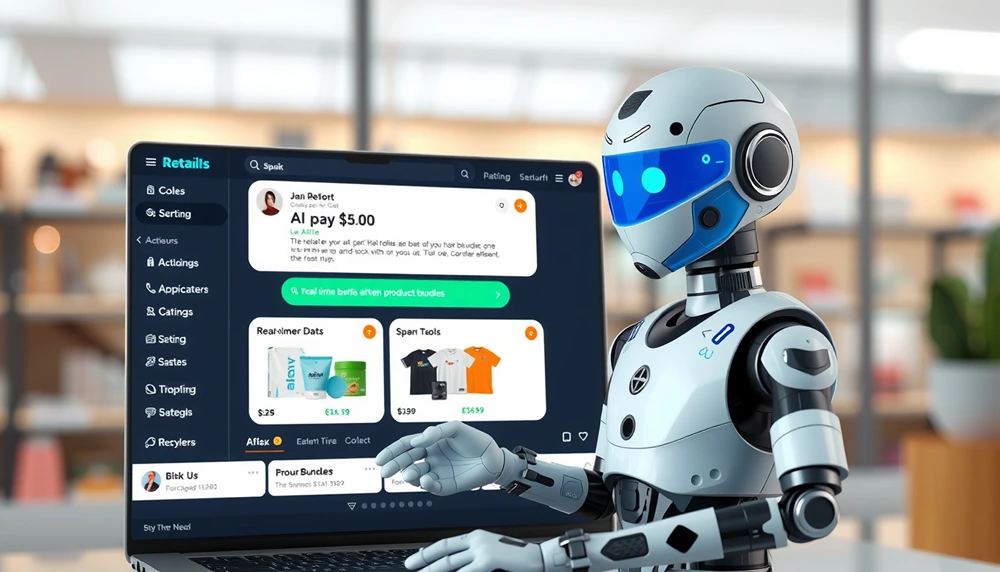
AI chatbots have significantly transformed sales strategies, elevating conversion rates and customer satisfaction while reducing service costs. By seamlessly integrating with CRM systems, businesses enhance automation and streamline operations, addressing queries, and securing data effectively. As technology progresses, AI’s role in sales will only deepen, offering more sophisticated tools to engage customers and refine sales tactics. Real-world outcomes affirm the substantial AI chatbots sales impact, fostering growth and efficiency. Embracing these innovations positions companies on a path to sustained success and enhanced online presence.
FAQ
What is the impact of AI chatbots on sales conversion rates?
AI chatbots increase conversion rates by up to 30%, facilitating better customer interactions and boosting satisfaction and retention. Their implementation has proven effective in enhancing overall sales performance.
How do AI chatbots contribute to customer satisfaction?
AI chatbots provide 24/7 support, offering instant responses and personalised service, which enhances customer satisfaction and leads to improved customer retention.
What cost benefits do businesses experience with AI chatbot implementation?
Businesses typically see up to a 40% reduction in customer service costs by implementing AI chatbots, reflecting their efficiency and effectiveness in automating routine interactions.
Why is CRM integration important for AI chatbot implementation?
Integrating AI chatbots with CRM systems bridges customer management and automation, ensuring seamless service and better customer engagement throughout the sales process.
What are the main challenges in deploying AI chatbots?
Challenges include handling complex queries and maintaining data security. It’s crucial to balance automation whilst retaining a human touch to manage these issues effectively.
How can businesses overcome AI chatbot deployment challenges?
- Enhance natural language processing for better understanding.
- Utilise security protocols to safeguard data.
- Integrate human oversight for complex queries.
- Continuously train systems for adaptability and accuracy.
What future trends are expected in AI chatbot technology?
AI chatbots are predicted to advance with more natural language processing capabilities and emotional intelligence, enhancing their role in customer engagement and refining sales strategies across industries like retail and banking.
What results have real-world companies achieved using AI chatbots?
A retail company increased online sales by 30% post-integration, while another reduced customer service costs by 40%, demonstrating the transformative impact of AI chatbots on business operations and revenue.
For professional support with this, see our PPC management.
For professional support with this, see our digital marketing services.
For professional support with this, see our web design services.
For professional support with this, see our about Smarter Digital Marketing.
For professional support with this, see our local SEO across Scotland and the UK.
