
Is your virtual trade show making the impact it should? As digital events become the norm, figuring out how to differentiate and succeed online can be challenging. Virtual trade show marketing has emerged as a game-changer, reshaping how businesses interact with potential customers. Employing strategic digital advertising, leveraging social media, and crafting personalised email campaigns are just the tip of the iceberg. This article explores cutting-edge strategies, offering actionable insights into elevating your event success. Discover how to captivate audiences, increase engagement, and maximise ROI in the competitive digital landscape.
Strategies for Effective Virtual Trade Show Marketing
Digital advertising plays a pivotal role in virtual trade show marketing. It enhances visibility and reaches a broader audience by leveraging online platforms. Utilising targeted ads, businesses can precisely reach potential attendees who are most likely to engage with their event, making digital advertising an indispensable tool in this competitive landscape.
To capitalise on digital advertising for virtual trade shows, consider employing a variety of tactics. Pay-per-click (PPC) campaigns are cost-effective as they target users actively searching for relevant terms. Display ads offer visual appeal and can be strategically placed on high-traffic websites to capture attention. Retargeting techniques ensure that previous visitors who have shown interest are reminded of the event, increasing the likelihood of conversion. Social media advertising on platforms like Facebook and Instagram allows for precise demographic targeting, ensuring messages reach the right audience segment. Finally, leveraging video ads can engage potential attendees with dynamic content, showcasing event highlights and encouraging registration.
Platforms and methods for digital advertising in virtual trade show marketing include:
- Google Ads: Effective for PPC campaigns and display ads.
- Facebook Ads: Ideal for demographic targeting and engagement.
- Instagram: Utilises visual storytelling to captivate audiences.
- LinkedIn: Targets professionals, enhancing B2B marketing efforts.
- YouTube: Engages through video content, showcasing event features.
By strategically employing these platforms and methods, businesses can optimise their virtual trade show marketing efforts, maximising reach and engagement with potential attendees.
Social Media Promotion for Virtual Trade Shows
Social media platforms are integral to promoting virtual trade shows, offering unparalleled reach and engagement opportunities. These platforms, including LinkedIn, Twitter, and Facebook, enable businesses to connect with potential attendees by delivering timely updates and creating buzz around upcoming events. Their ability to target specific demographics makes them indispensable tools in the digital marketing arsenal.
Engaging content types for virtual event promotion:
- Videos: Capture attention with dynamic and visually appealing content.
- Teasers: Generate intrigue and anticipation for the upcoming event.
- Interactive posts: Encourage participation and conversation among users.
- Polls: Gather audience insights and foster engagement.
- Live streams: Provide real-time interaction and event previews.
Consistent engagement through social media maintains interest and builds relationships with potential attendees. Regular updates and interactive content help keep the audience informed and excited about the event. This ongoing connection not only boosts attendance but also enhances the overall experience, leading to successful virtual trade shows.
Email Campaigns for Virtual Trade Show Success
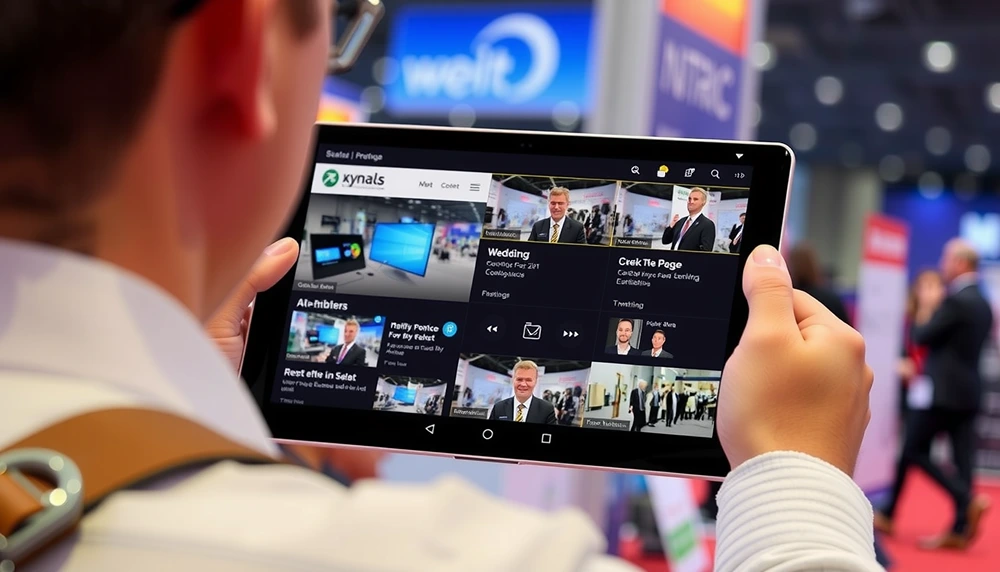
Email campaigns are a crucial strategy in virtual trade show marketing, offering a direct line to potential attendees. They are instrumental in nurturing leads and maintaining engagement through personalised content and timely updates. This approach ensures that participants are well-informed and interested in the upcoming event.
Key elements for successful email campaigns include:
- Segmentation: Dividing your email list into targeted groups based on interests or demographics.
- Personalisation: Crafting emails that address recipients by name and cater to their specific needs or preferences.
- Automation: Utilising software to send emails at optimal times, ensuring consistent communication.
- Content Relevance: Providing valuable information and updates that align with the attendees’ interests and expectations.
Maintaining communication throughout the event lifecycle is vital for engagement. This includes pre-event teasers, real-time updates during the event, and post-event follow-ups. By consistently delivering relevant and personalised content, businesses can foster a sense of connection with attendees, enhancing participation and satisfaction levels.
Engaging Online Content to Boost Virtual Trade Shows
Creating engaging online content is essential for capturing and retaining attendee interest during virtual trade shows. Content that captivates attendees includes webinars, live demos, interactive Q&A sessions, and virtual tours. These formats not only draw attention but also encourage participation and deeper engagement, enhancing the overall event experience.
Webinars and Live Demos
Webinars and live demos are effective in delivering valuable information and showcasing products or services in real-time. They allow presenters to connect with attendees, offering a platform for in-depth exploration of topics and demonstrating expertise. The interactive nature of these presentations encourages immediate feedback and questions, fostering a dynamic learning environment. By using visuals and live demonstrations, attendees gain a comprehensive understanding, making these sessions a cornerstone of successful virtual trade show content.
Interactive Q&A Sessions
Interactive Q&A sessions provide an opportunity for real-time interaction between presenters and attendees. This format allows participants to voice their questions and concerns, promoting an inclusive and engaging atmosphere. By addressing attendee inquiries directly, presenters can clarify doubts and offer tailored insights, enhancing the perceived value of the event. These sessions also build trust and rapport, as participants feel their input is valued and addressed promptly, leading to a more satisfying experience.
Virtual Tours
Virtual tours offer a unique way to explore products, services, or environments in a visually immersive manner. They provide attendees with a guided experience, replicating the exploratory nature of physical trade show visits. By incorporating multimedia elements like videos and 360-degree views, virtual tours can highlight features and benefits effectively, making the experience memorable. This approach not only captivates attention but also enables attendees to engage with content at their own pace, increasing the likelihood of retention and interest.
Choosing the Right Platform for Virtual Trade Show Marketing
Selecting an appropriate platform for virtual trade show marketing is critical for ensuring a seamless and engaging attendee experience. The right platform can significantly impact the success of the event by facilitating interaction, providing valuable insights, and supporting customisation.
Key features to consider when selecting a virtual trade show platform:
- Networking Capabilities: Facilitate attendee interaction through chat rooms, video calls, and virtual networking lounges.
- Analytics: Offer robust data tracking to measure attendee engagement, participation trends, and overall event performance.
- Customisable Booths: Allow exhibitors to tailor their virtual spaces with branding, multimedia content, and interactive elements.
- User Capacity: Ensure the platform can accommodate the expected number of attendees without compromising performance.
The integration of these features into the virtual trade show platform enhances the attendee experience by promoting active participation and engagement. Networking capabilities enable connections that mimic in-person interactions, thus enriching the social aspect of the event. Analytics provide organisers with actionable insights to evaluate success and identify areas for improvement. Customisable booths offer exhibitors the flexibility to present their offerings uniquely, attracting and retaining audience interest. Finally, ensuring adequate user capacity prevents technical issues, ensuring a smooth, uninterrupted experience for all participants, ultimately contributing to a successful virtual trade show.
Measuring Success in Virtual Trade Show Marketing
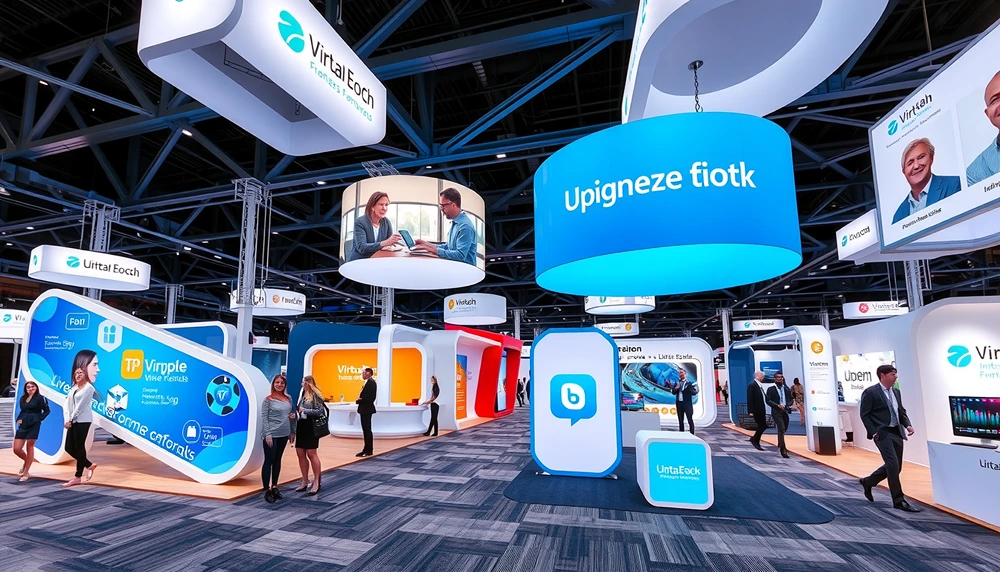
Metrics play a crucial role in assessing the effectiveness of virtual trade show marketing efforts. They provide tangible data that can guide strategic decisions and enhance future event planning. By carefully analysing these metrics, organisers can gain insights into what worked well and where improvements are needed.
Essential metrics to track include:
- Attendance Numbers: This metric helps determine the reach and appeal of the event.
- Engagement Levels: Evaluating interaction through polls, chats, and Q&A sessions reveals attendee interest.
- Conversion Rates: This measures how many attendees took desired actions, such as signing up or making purchases.
These metrics inform future strategies by highlighting areas of success and identifying opportunities for improvement. High attendance numbers indicate effective promotional strategies, while engagement levels provide insight into content relevance. Conversion rates reflect the event’s impact on achieving business goals. By leveraging this data, marketers can refine their approach, ensuring that future virtual trade shows yield even greater success.
Case Studies of Successful Virtual Trade Show Marketing
Case studies serve as an invaluable resource for understanding the practical application of virtual trade show marketing strategies. They provide concrete examples of how businesses have navigated challenges and achieved remarkable success. Analysing these real-world scenarios offers insights into best practices and innovative approaches that can be adapted to enhance one’s own events.
Case Study 1
In a notable virtual trade show, a technology firm successfully leveraged a combination of targeted digital advertising and engaging online content to drive attendance and participation. Their strategy involved using Google Ads for precise targeting, complemented by interactive webinars and live demos to maintain audience interest. By focusing on delivering value through educational content, the firm enhanced attendee satisfaction and achieved a significant increase in lead generation, demonstrating the effectiveness of well-integrated marketing tactics.
Case Study 2
Another exemplary virtual event showcased the power of social media engagement and personalisation. A healthcare company utilised platforms like LinkedIn and Twitter to build anticipation and foster community interaction. They employed personalised email campaigns to nurture relationships, tailoring content to match attendee interests. This approach not only boosted registration numbers but also increased post-event conversions. The company’s innovative use of social media and personalised communication exemplifies how targeted engagement can lead to substantial outcomes.
These case studies illustrate how thoughtful application of marketing strategies can elevate virtual trade show success. By learning from these examples, marketers can refine their approaches, incorporating proven techniques and innovative ideas to achieve greater impact and enhance attendee experiences.
Final Words
Digital marketing strategies play a pivotal role in virtual trade show marketing, engaging audiences through targeted digital advertising, strategic social media promotion, and tailored email campaigns. Each element contributes uniquely, from leveraging interactive content to selecting the right platforms, ensuring a comprehensive approach.
Examining the success of existing trade show marketing efforts highlights the potential for maximizing visibility and attendee engagement.
Ultimately, by meticulously crafting these strategies and measuring their impact, businesses can achieve remarkable results and drive growth. Virtual trade show marketing offers a promising avenue for enhanced digital presence and successful outcomes.
FAQ
How can digital advertising enhance virtual trade show marketing?
Digital advertising enhances virtual trade show marketing by increasing visibility through targeted ads on Google and social media. These strategies include pay-per-click campaigns and retargeting, effectively attracting a broader audience.
What are the benefits of social media promotion for virtual trade shows?
Social media promotion boosts engagement by reaching potential attendees on platforms like LinkedIn, Twitter, and Facebook. Engaging content such as videos, teasers, and interactive posts creates buzz and encourages participation.
How do email campaigns contribute to virtual trade show success?
Email campaigns nurture leads by providing personalised content and regular updates. Key elements for success include segmentation, personalisation, and automation, maintaining communication throughout the event lifecycle.
What types of online content can boost engagement at virtual trade shows?
Webinars, live demos, and interactive Q&A sessions are essential for captivating virtual trade show attendees. These formats maintain interest by providing real-time interaction and comprehensive insights into offerings.
Why is choosing the right platform crucial for virtual trade show marketing?
Selecting the right virtual event platform is essential as it impacts user experience. Consider features like networking capabilities, analytics, and customisable booths to facilitate interaction and satisfaction.
How can success be measured in virtual trade show marketing?
Success can be measured using metrics like attendee numbers, engagement levels, and post-event feedback. These metrics offer valuable insights for refining future strategies in virtual trade show marketing.
For professional support with this, see our local SEO across Scotland and the UK.
For professional support with this, see our digital marketing services.
For professional support with this, see our web design services.
For professional support with this, see our about Smarter Digital Marketing.
