
Is your marketing strategy truly integrated? In an era where consumers move seamlessly between platforms, it’s crucial for businesses to create a unified customer experience. Cross-channel marketing strategies are becoming the cornerstone of successful marketing efforts, offering the advantage of consistent messaging across social media, email, and web channels. This approach not only enhances customer engagement but also reinforces brand identity amidst the digital noise. By adopting an integrated marketing plan, businesses can ensure cohesive communication, drive brand loyalty, and maximise ROI. Explore effective strategies for revolutionising your marketing efforts through cross-channel integration.
Understanding Cross-Channel Marketing Strategies

Cross-channel marketing strategies focus on integrating multiple platforms to create a seamless customer experience. This approach ensures consistent messaging and branding across various channels, including social media, email, and websites. The primary objective is to enhance customer interaction by providing a unified experience, regardless of the platform used by the customer.
How does cross-channel marketing differ from single-channel and multichannel strategies? Cross-channel marketing, unlike single-channel strategies that rely on one platform, and multichannel strategies that operate independently across several platforms, integrates these channels. This integration allows for a coordinated approach that maximises customer engagement and ensures that messaging is consistent across all touchpoints.
Key benefits of cross-channel marketing strategies include:
- Enhanced customer engagement
- Improved brand consistency
- Increased conversion rates
- Streamlined customer interactions
- Greater marketing efficiency
In today’s digital landscape, integrated marketing is crucial. The modern consumer interacts with brands across multiple platforms, often simultaneously. By employing cross-channel strategies, businesses can adapt to these behaviours and provide a cohesive experience that strengthens brand presence and fosters customer loyalty.
Effective Cross-Channel Marketing Techniques
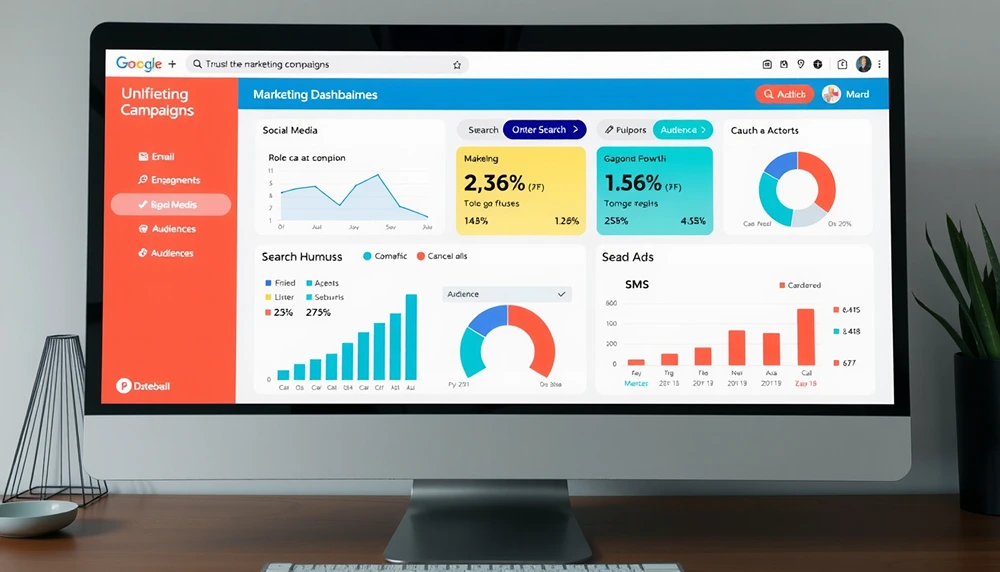
A unified brand message is critical in cross-channel marketing, ensuring that customers receive consistent communications across all platforms. Personalising content enhances customer engagement by tailoring messages to individual preferences, thereby fostering stronger connections with the brand. This approach not only builds trust but also reinforces brand consistency, which is crucial for maintaining a coherent identity across different media.
Leveraging Data Analytics
Data analytics plays a pivotal role in refining cross-channel strategies. By analysing customer behaviour, businesses can gain insights into preferences and interaction patterns. This information allows for the optimisation of marketing efforts, ensuring that messages are delivered through the most effective channels and touchpoints. For instance, data can reveal which platforms are driving the most engagement, enabling marketers to allocate resources more strategically.
Key techniques for effective cross-channel marketing include:
- Integrating digital and traditional media: Combining online platforms with traditional media such as print and broadcast enhances reach and engagement.
- Utilising marketing automation tools: These tools streamline campaign management, allowing for efficient scheduling, tracking, and analysis of marketing activities.
- Maintaining consistent messaging: Ensure that all communications across various channels align with the brand’s core message and values.
- Personalising customer interactions: Tailor messages based on customer data to increase relevance and engagement.
- Leveraging social media and email synergy: Use these platforms in tandem to create cohesive campaigns that reach customers at multiple touchpoints.
- Regularly updating content: Keep messaging fresh and relevant to maintain customer interest and engagement.
Case studies illustrate the impact of successful cross-channel marketing strategies. For example, a retail brand might synchronise email promotions with social media advertisements to drive traffic to both platforms. Such coordinated efforts demonstrate how leveraging multiple channels can lead to increased customer interaction and improved marketing outcomes.
Tools and Technologies for Cross-Channel Coordination
CRM systems and marketing automation tools are essential in the coordination of cross-channel marketing efforts. What do these tools accomplish? They centralise customer data, providing a unified view of interactions across multiple platforms. This centralisation streamlines communication, allowing marketers to deliver consistent messages and efficiently manage customer relationships.
Key tools for cross-channel coordination include:
- HubSpot: Offers features for email marketing, customer segmentation, and analytics, enabling effective tracking and communication.
- Salesforce: Provides comprehensive CRM capabilities, integrating customer data with marketing activities for enhanced engagement.
- Marketo: Specialises in marketing automation, facilitating campaign scheduling, lead management, and performance analysis.
- Google Analytics: Delivers data-driven insights by tracking user behaviour across websites and apps, crucial for optimising marketing strategies.
Selecting the right technology is critical for addressing specific marketing needs. How does one choose the most suitable tool? Consider factors such as the scale of operations, specific functionalities required, and integration capabilities with existing systems. The right choice enhances efficiency, supports strategic objectives, and maximises the impact of cross-channel marketing initiatives.
Overcoming Challenges in Cross-Channel Marketing

Cross-channel marketing presents several challenges that can hinder the effectiveness of campaigns. Key obstacles include data silos, which fragment customer information across different platforms, and technological integration issues that complicate the seamless unification of these channels. These challenges can impede the delivery of a cohesive brand message and limit the ability to engage customers effectively. Successfully overcoming these hurdles requires a strategic approach that focuses on integrating systems and processes to ensure that all marketing efforts are aligned and effective.
Maintaining Consistent Messaging
Consistency in messaging is crucial for cross-channel success. To achieve coherence across platforms, businesses must develop strategies that ensure all communications reflect the brand’s core values and objectives. This involves creating a unified content strategy that guides the tone, style, and delivery of messages across different channels. A consistent messaging strategy not only reinforces brand identity but also builds trust with consumers, who expect the same level of engagement regardless of the platform they use.
Solutions for overcoming cross-channel marketing challenges include:
- Strategic planning: Develop a comprehensive plan that outlines the objectives, target audience, and desired outcomes for each channel. This ensures alignment and coherence across all marketing efforts.
- Technology investment: Implement advanced tools and platforms that facilitate seamless integration and data sharing between channels, reducing fragmentation and enhancing efficiency.
- Regular performance analysis: Continuously monitor and evaluate the effectiveness of marketing campaigns using key performance metrics to identify areas for improvement and adjust strategies accordingly.
- Channel optimisation: Tailor content and tactics for each platform based on user behaviour and engagement patterns to maximise impact and reach.
- Cross-functional collaboration: Encourage collaboration between different departments and teams to ensure that all stakeholders are aligned and working towards common goals.
Performance metrics play a vital role in refining and optimising cross-channel strategies. By analysing data such as customer engagement, conversion rates, and return on investment, businesses can identify successful elements and areas needing improvement. This data-driven approach enables marketers to make informed decisions, enhance campaign effectiveness, and ultimately deliver a more cohesive and impactful customer experience.
Benefits of a Unified Cross-Channel Approach
Seamless customer experiences significantly enhance brand loyalty. By delivering consistent and cohesive interactions across various platforms, businesses can foster trust and satisfaction among their customers. This unified approach ensures that every touchpoint reinforces the brand’s values and message, which in turn encourages repeat engagement and builds a loyal customer base.
Key benefits of a unified cross-channel marketing strategy include:
- Increased marketing ROI: By integrating efforts across channels, businesses can optimise resource allocation and achieve more efficient marketing spend, leading to a higher return on investment.
- Enhanced customer satisfaction: Consistent and personalised interactions across channels make customers feel valued and understood, boosting overall satisfaction levels.
- Higher conversion rates: A seamless approach helps guide customers smoothly through the buying journey, reducing friction and increasing the likelihood of conversions.
- Improved customer loyalty: Unified communications reinforce the brand message, creating a lasting impression that encourages customers to return and advocate for the brand.
- Streamlined customer interactions: Coordinated efforts across platforms provide a seamless experience, making it easier for customers to engage with the brand at various touchpoints.
A unified cross-channel approach not only improves marketing effectiveness but also strengthens brand presence and reputation. By ensuring that all interactions are aligned and consistent, businesses can create a powerful and cohesive brand identity. This alignment helps differentiate the brand in a competitive market, making it more recognisable and respected. Ultimately, a unified strategy enhances the overall customer experience, contributing to long-term success and growth.
Best Practices for Cross-Channel Marketing Success
Consistent branding and coherence in messaging are paramount for cross-channel marketing success. Why is consistent branding crucial? A unified brand image across all platforms ensures that customers recognise and trust the brand, which enhances engagement and loyalty. By maintaining this consistency, businesses can reinforce their identity and values, making it easier for consumers to connect with them across various touchpoints.
Audience Segmentation and Content Personalisation

How can businesses effectively tailor messages to different customer segments? Through audience segmentation and content personalisation. By dividing the audience into distinct groups based on demographics, behaviours, and preferences, marketers can craft more relevant and engaging content. This approach not only increases the effectiveness of marketing efforts but also enhances customer satisfaction by meeting specific needs and expectations.
Key practices for cross-channel marketing success include:
- Ensuring data privacy: Implement robust measures to protect customer information and build trust in the brand’s commitment to privacy.
- Leveraging audience insights: Utilise data analytics to gain a deeper understanding of customer behaviours and preferences, guiding more targeted marketing strategies.
- Fostering collaboration between teams: Encourage cross-departmental communication to ensure a unified approach and consistent messaging across all channels.
- Regularly analysing performance metrics: Continuously evaluate campaign performance to identify strengths and areas for improvement, allowing for data-driven decision-making.
- Adapting to technological advancements: Stay abreast of the latest marketing technologies to enhance efficiency and effectiveness in cross-channel efforts.
- Developing flexible strategies: Create adaptable plans that can respond to changing market conditions and customer feedback, ensuring continued relevance and impact.
Continuous improvement and adaptability are vital to maintaining successful cross-channel strategies. How do these factors contribute to marketing success? They enable businesses to respond to evolving customer expectations and market trends, ensuring that marketing efforts remain effective. By regularly updating strategies and embracing innovation, businesses can sustain their competitive edge and drive long-term growth.
Final Words
Embracing cross-channel marketing strategies enables businesses to integrate various platforms for a seamless customer experience. This approach, distinct from single or multi-channel strategies, offers significant benefits such as enhanced engagement and brand consistency.
Effective techniques demand a unified brand message and content personalisation, enhanced by leveraging data analytics.
Tools like CRM systems and marketing automation streamline cross-channel coordination, while overcoming challenges involves strategic planning and performance metrics analysis.
Ultimately, this unified approach enhances marketing ROI and customer loyalty.
Implementing best practices ensures consistent branding and successful audience engagement.
FAQ
What is cross-channel marketing?
Cross-channel marketing involves integrating various platforms to offer a seamless customer experience. It ensures consistent messaging across multiple channels like social media, email, and websites.
How does cross-channel marketing differ from single-channel marketing?
Cross-channel marketing integrates multiple platforms for consistent brand messaging, while single-channel focuses on one platform at a time. This enhances customer engagement and ensures cohesive brand communication.
What are the key benefits of cross-channel marketing?
- Enhanced customer engagement
- Consistent brand messaging
- Increased conversion rates
- Improved customer loyalty
- Better marketing ROI
How can a unified brand message benefit cross-channel marketing strategies?
A unified brand message ensures consistency across all channels, fostering customer trust and loyalty. It aligns with cross-channel marketing objectives to create a cohesive brand experience.
Why is data analytics important in cross-channel marketing?
Data analytics helps understand customer behaviour, allowing for optimal strategy adjustments. This enhances customer targeting, improves engagement, and maximises overall marketing effectiveness.
What challenges exist in cross-channel marketing and how can they be overcome?
Challenges include data silos and integration issues. Overcoming them requires strategic planning, technology investment, and regular performance analysis to maintain consistent messaging and improve effectiveness.
What are essential tools for cross-channel coordination?
- CRM systems
- Marketing automation software
- Data tracking solutions
- Performance analytics tools
These tools centralise information and streamline communication across platforms.
How does a unified cross-channel approach boost marketing ROI?
A unified approach improves customer loyalty and conversion rates, leading to increased marketing ROI. It enhances customer satisfaction through seamless experiences across all platforms.
For professional support with this, see our PPC management.
For professional support with this, see our web design services.
For professional support with this, see our about Smarter Digital Marketing.
For professional support with this, see our local SEO across Scotland and the UK.
