
Is it possible that the influencers captivating the digital world don’t actually exist? Virtual influencers, designed with 3D modelling and AI, are redefining the marketing landscape. With lifelike appearances and limitless creative potential, these digital personas are engaging mass audiences across social media. Their ability to interact, promote, and evolve surpasses traditional influencers, offering brands an innovative edge. This article explores virtual influencer marketing, examining how these cutting-edge creations can enhance brand visibility and consumer engagement while fundamentally transforming marketing strategies.
Understanding Virtual Influencer Marketing
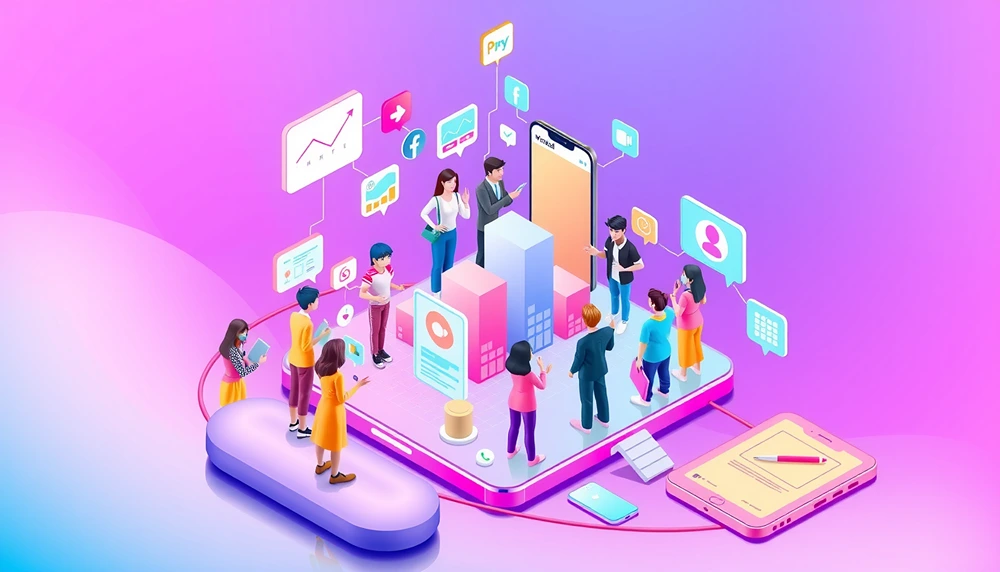
Virtual influencer marketing involves using computer-generated characters to engage audiences on social media platforms. These digital personas are crafted to appear as lifelike as human influencers, leveraging advanced 3D modelling and artificial intelligence technologies. They are capable of interacting with followers, promoting brands, and maintaining a presence without the physical constraints faced by human influencers. By using AI, these virtual influencers can deliver tailored content and responses, creating a seamless interaction experience that appeals to their targeted audience.
In social media campaigns, virtual influencers play a pivotal role in brand promotion. They offer unique advantages, such as complete control over their image and messaging, ensuring that brand guidelines are consistently met. This control helps in avoiding issues like scandals or inconsistencies often associated with human influencers. Furthermore, virtual influencers are not bound by time zones or physical availability, allowing them to engage with audiences round-the-clock. This constant availability can significantly enhance brand visibility and engagement, making them an attractive option for businesses looking to maximise their digital marketing efforts.
- Computer-generated characters
- Lifelike appearance
- 3D modelling and AI usage
- Social media engagement
- Brand promotion potential
Case Studies of Virtual Influencer Success
Virtual influencers have emerged as a powerful tool in modern marketing, as demonstrated by the success of Lil Miquela. This computer-generated character has become a prominent figure in the digital space, collaborating with high-profile brands like Prada and Calvin Klein. Her partnership with Prada involved promoting the brand’s fashion line on Instagram, where she showcased the collection to her millions of followers. This campaign significantly increased Prada’s reach among younger demographics, illustrating the effectiveness of virtual influencers in engaging tech-savvy audiences.
Calvin Klein also leveraged Lil Miquela’s influence in a campaign that highlighted the brand’s inclusive and forward-thinking ethos. By featuring Lil Miquela in their advertisements, Calvin Klein tapped into her unique appeal, drawing substantial attention to their social media platforms. This collaboration not only boosted Calvin Klein’s brand visibility but also fostered a dialogue about the intersection of technology and fashion. These case studies highlight how virtual influencers can drive brand engagement and awareness, reinforcing their value in strategic social media campaigns.
| Brand | Influencer | Engagement Impact |
| Prada | Lil Miquela | Increased reach among younger demographics |
| Calvin Klein | Lil Miquela | Enhanced brand visibility and engagement |
Benefits and Drawbacks of Virtual Influencers
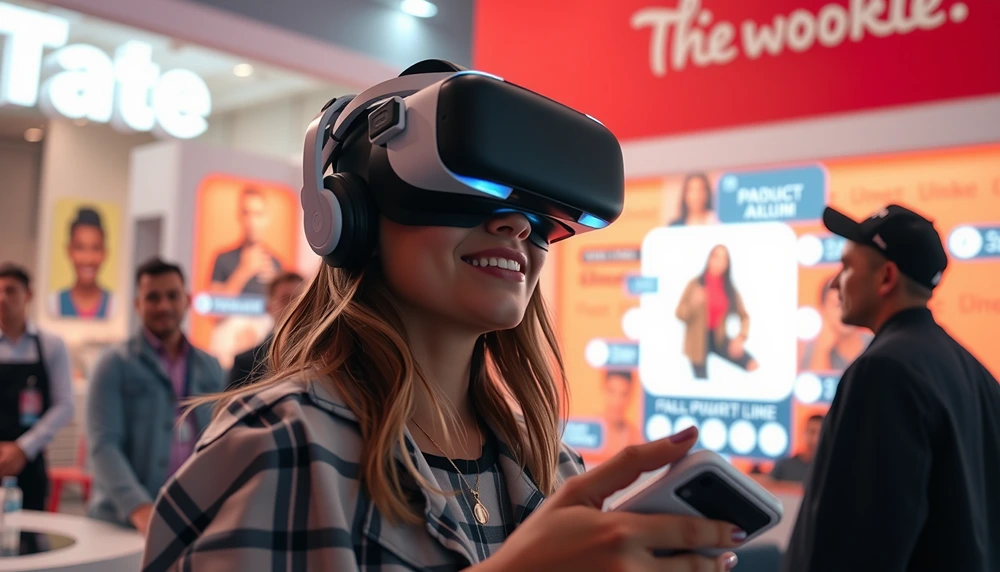
Virtual influencers present a unique opportunity in the digital marketing arena, offering distinct advantages over traditional human influencers. These computer-generated personas provide unparalleled control over their image and messaging, ensuring brand alignment without deviation. This feature allows marketers to avoid unpredictable situations such as personal scandals that may arise with human counterparts.
Benefits of Virtual Influencers:
- Total control over image: Brands can meticulously manage the influencer’s appearance and content to align perfectly with their values and campaigns.
- 24/7 availability: Unlike human influencers, virtual influencers do not require rest, enabling continuous engagement with global audiences across different time zones.
- No risk of personal scandals: As digital creations, they eliminate the risk of personal controversies that can damage brand reputation.
- Cost-effective: Without the need for travel, accommodation, or personal fees, they can be a more economical choice for long-term campaigns.
However, virtual influencers are not without their limitations. The absence of authentic human interaction can impact consumer trust and raise questions about their perceived authenticity.
Drawbacks of Virtual Influencers:
- Lack of human connection: Their digital nature may hinder the formation of genuine relationships with audiences.
- Trust issues: Consumers may question the credibility of endorsements made by non-human entities.
- Perceived authenticity: The artificiality of virtual influencers can lead to scepticism about the authenticity of their interactions and content.
- Ethical concerns: The potential to mislead audiences about the nature of the influencer’s existence can raise ethical questions.
When integrating virtual influencers into marketing strategies, these advantages and challenges must be carefully weighed. Their ability to maintain a consistent brand image and operate continuously offers significant benefits. However, strategies must address the authenticity and trust issues to ensure effective consumer engagement. Balancing these factors is crucial to leveraging virtual influencers successfully in an evolving digital landscape.
Integrating Virtual Influencers into Your Marketing Strategy
To effectively integrate virtual influencers into a marketing strategy, businesses must start by ensuring alignment with their brand values and target audience. Virtual influencers should embody the ethos and characteristics that resonate with the brand’s identity. This alignment not only strengthens brand consistency but also enhances the relatability and appeal of the influencer to the intended audience. A well-defined audience persona is crucial in this process, as it guides the creation of a virtual influencer persona that can effectively engage with target demographics.
Once alignment is established, leveraging data analytics becomes essential for content optimisation and audience engagement. By analysing audience behaviour, preferences, and interactions, brands can tailor content that meets the evolving needs and interests of their followers. This data-driven approach ensures that the virtual influencer remains relevant and captivating, maximising engagement and conversion rates. Companies should employ analytics tools to track performance metrics and refine their strategies accordingly, enabling continuous improvement in content delivery and audience interaction.
Collaborating with digital artists and AI specialists is vital for crafting a compelling virtual influencer and maintaining their presence across platforms. These experts bring the technical expertise required to develop lifelike digital personas and enhance their interactive capabilities. By working closely with these professionals, businesses can ensure that their virtual influencer is designed to capture attention and foster meaningful connections with audiences. Smarter Digital Marketing is an ideal partner for brands seeking to navigate the complexities of virtual influencer integration, offering specialised services to enhance engagement and optimise marketing outcomes.
- Define brand values and audience persona
- Develop virtual influencer persona
- Collaborate with AI and digital experts
- Create engaging content using analytics
- Monitor and adjust strategies for optimal engagement
Ethical and Technological Considerations
Virtual influencer marketing brings forth significant ethical considerations, primarily concerning transparency and authenticity. Transparency is crucial as audiences must be aware they are interacting with a computer-generated persona rather than a real person. This clarity helps maintain consumer trust, which is vital for the credibility of brand endorsements. Addressing the promotion of unrealistic beauty standards is another ethical concern. Virtual influencers, with their often-perfect appearances, can contribute to societal pressures and expectations around beauty. Marketers need to be mindful of these implications and strive to promote diverse and realistic representations through their digital personas.
From a technological perspective, the creation and maintenance of virtual influencers rely heavily on advancements in CGI and AI technologies. Advanced CGI is pivotal in crafting lifelike appearances that captivate audiences and enhance engagement. AI is utilised to facilitate interactive experiences, allowing virtual influencers to respond to audience queries and participate in conversations. Platform integration ensures these digital personas maintain a consistent and seamless presence across various social media channels, enhancing their accessibility and interaction with diverse audiences.
- Advanced CGI
- AI for interactions
- Platform integration
Maintaining authenticity in virtual influencer interactions is essential for their acceptance and success in marketing strategies. Despite their digital nature, virtual influencers must engage in genuine ways that resonate with audiences. Brands can achieve this by carefully curating content that aligns with audience values and expectations, ensuring interactions are meaningful and relatable. Balancing technological sophistication with ethical integrity can lead to successful virtual influencer campaigns that foster trust and authenticity in digital marketing.
Future Trends in Virtual Influencer Marketing
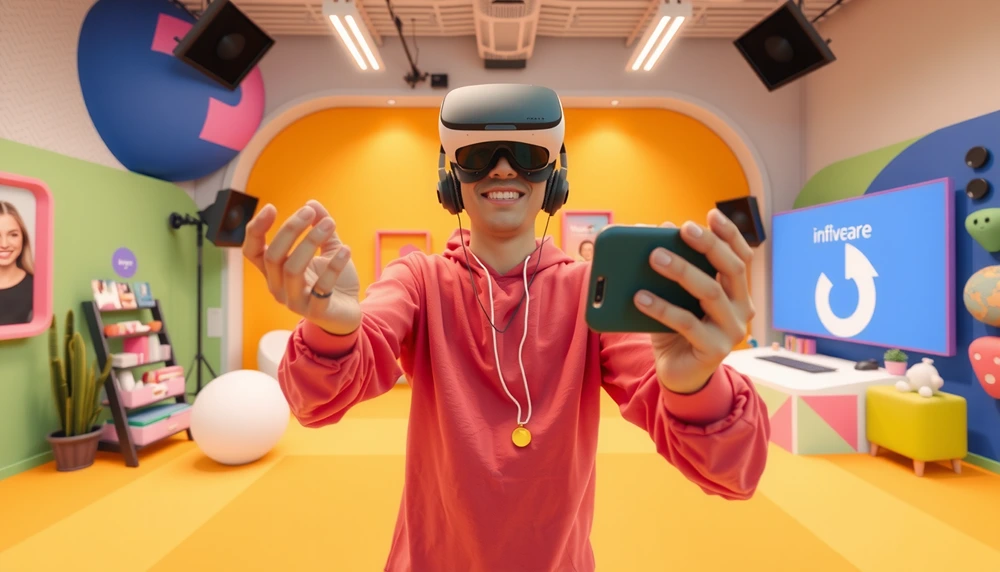
Current trends in virtual influencer marketing are heavily influenced by advancements in artificial intelligence (AI) and virtual reality (VR). AI technologies are enabling the creation of more realistic and lifelike digital personas that can engage with audiences in a personalised manner. This sophistication allows virtual influencers to adapt their interactions based on user behaviour and preferences, fostering a deeper connection with their followers. AI-driven analytics further enhance this engagement by providing insights into audience demographics and preferences, allowing for tailored content that resonates with diverse target groups.
The integration of VR into virtual influencer marketing is another notable trend, offering immersive experiences that transcend traditional social media interactions. By leveraging VR technology, brands can create interactive environments where audiences can engage with virtual influencers in a more tangible way. This approach not only enhances user engagement but also opens new avenues for storytelling and brand promotion. As VR becomes more accessible, the potential for virtual influencers to deliver unique and memorable experiences will likely grow, setting new standards for digital marketing strategies.
- Enhanced interactivity
- Greater personalisation
- VR and AR integration
- Metaverse potential
These emerging trends have the potential to significantly transform marketing strategies by offering unprecedented levels of engagement and personalisation. Enhanced interactivity allows brands to foster meaningful dialogues with consumers, while greater personalisation ensures content is relevant and impactful. The integration of VR and augmented reality (AR) can create immersive brand experiences that captivate audiences. Furthermore, the potential for virtual influencers to operate within the metaverse represents a frontier for digital marketing, where brands can explore new ways of connecting with global audiences in an interconnected virtual space.
Final Words
In examining virtual influencer marketing, its value within the digital marketing landscape becomes evident.
Through lifelike, computer-generated personas, brands gain new ways to engage audiences, as demonstrated by successful partnerships in fashion sectors.
Yet, these digital personas come with both advantages, such as 24/7 availability, as well as challenges like authenticity concerns.
Integrating them requires careful alignment with brand values and strategic use of technology.
With ethical transparency and technological innovations, virtual influencer marketing presents transformative opportunities for enhanced, personalised content.
The potential for growth and evolution in this realm is significant, promising progressive changes in marketing strategies.
FAQ
Q: What are virtual influencers?
A: Virtual influencers are computer-generated characters that engage audiences on social media using lifelike appearances. They utilise 3D modelling and AI, interacting with followers and promoting products seamlessly.
Q: How do virtual influencers contribute to brand promotion?
A: Virtual influencers enhance brand promotion by engaging with audiences on social platforms. Their digital nature permits continuous interaction and image control, boosting potential outreach without human limitations.
Q: Can you give examples of successful virtual influencer campaigns?
A: Lil Miquela’s collaborations with brands like Prada and Calvin Klein are notable successes. These partnerships highlight virtual influencers’ potential to expand brand reach and engagement significantly.
Q: What are the advantages of using virtual influencers over traditional ones?
A: Virtual influencers allow complete image control, offer 24/7 availability, circumvent personal scandals, and are cost-effective compared to traditional influencers, providing strategic benefits in marketing.
Q: What drawbacks might businesses face with virtual influencers?
A: The drawbacks include lack of genuine human connection, trust issues among audiences, challenges in perceived authenticity, and ethical concerns about representation and transparency in marketing practices.
Q: How can companies integrate virtual influencers into their marketing strategy effectively?
A: Effective integration involves aligning virtual personalities with brand and audience values, leveraging data analytics for content creation, collaborating with AI and technology experts, and constantly optimising strategies.
Q: What ethical considerations are involved in virtual influencer marketing?
A: Transparency regarding the non-human nature of virtual influencers is crucial. Ethical concerns include addressing unrealistic beauty standards and maintaining authenticity in audience interactions.
Q: What technological tools are essential for creating virtual influencers?
A: Essential tools include advanced CGI for realistic appearances, AI to interact seamlessly with audiences, and robust platform integration to maintain a consistent digital presence.
Q: What future trends are expected in virtual influencer marketing?
A: Future trends suggest increased interactivity, enhanced personalisation, VR and AR integration, and potential inclusion in the metaverse, transforming marketing approaches significantly.
For professional support with this, see our PPC management.
For professional support with this, see our digital marketing services.
For professional support with this, see our web design services.
For professional support with this, see our about Smarter Digital Marketing.
For professional support with this, see our local SEO across Scotland and the UK.
