
Is Amazon’s Vendor Central the secret weapon your brand needs for unprecedented growth? For manufacturers and distributors aiming to elevate their market presence, Vendor Central emerges as an enticing prospect. By functioning as a first-party platform, it allows wholesale dealings directly with Amazon through purchase orders. The benefits are substantial: enhanced consumer confidence, elevated brand visibility, and the assurance of Amazon’s renowned customer service. This article dives deep into the workings of Vendor Central, outlining its features and elucidating why it’s essential for brands eager to amplify their reach and reputation.
Understanding Amazon Vendor Central

Amazon Vendor Central is a platform designed for brands and manufacturers to sell their products wholesale to Amazon, operating on a first-party model. Through purchase orders, manufacturers and distributors sell directly to Amazon at wholesale prices, thereby becoming first-party sellers. This platform not only allows businesses to leverage Amazon’s expansive reach but also enhances consumer confidence due to Amazon’s name recognition. Products sold through Vendor Central bear the “Sold by Amazon” label, which can significantly bolster brand credibility and trust with consumers.
- Brand visibility: Increased exposure to Amazon’s vast customer base.
- Trust: Products are labelled as “Sold by Amazon,” enhancing consumer confidence.
- Customer Service: Amazon manages customer service and returns, reducing seller workload.
- Inventory: Amazon handles inventory management, allowing sellers to focus on production.
- Promotion: Access to Amazon’s promotional tools and advertising options.
To join Amazon Vendor Central, brands must receive an invitation, as the platform is not open for direct sign-ups. This invitation-only policy ensures that only those meeting specific criteria such as adequate turnover and market penetration can participate, making it a selective but potentially rewarding venture for qualifying businesses.
Navigating Vendor Central Account Setup
Amazon Vendor Central operates on an invitation-only basis, meaning that businesses cannot directly sign up for an account. Instead, they must receive an invitation from Amazon, which is extended based on specific criteria. These criteria often include a brand’s market penetration and turnover, indicating that Vendor Central is geared towards established companies with a proven track record. This exclusivity ensures that Amazon partners with vendors capable of meeting their operational and strategic demands, thereby maintaining the platform’s high standards.
- Build a strong brand identity to attract Amazon’s attention.
- Maintain a robust online presence to demonstrate market relevance.
- Exhibit proven sales performance to highlight business success.
- Network at industry events to increase visibility to Amazon representatives.
- Utilise Amazon services to align with their ecosystem.
- Communicate interest to Amazon Seller Support to express readiness for the platform.
Once invited to join Vendor Central, the next step is the login process, which involves setting up access credentials through Amazon’s secure portal. It’s crucial for invited brands to follow the instructions provided in the invitation email carefully, as this email contains specific links and guidance for creating the account. After successfully logging in, businesses gain access to a suite of tools and resources designed to facilitate product management and sales operations on the platform.
Managing a Vendor Central account requires a strategic approach. Initial setup includes configuring product listings, setting up promotional strategies, and understanding the dashboard’s analytics tools. These tools are pivotal for monitoring sales performance and customer interactions. Regularly updating product information and leveraging available marketing resources are essential steps in maintaining a competitive edge. By effectively managing these elements, brands can enhance their presence on Amazon, optimising their reach and impact in the marketplace.
Vendor Central vs Seller Central: A Comparative Analysis
Amazon Vendor Central and Seller Central serve different business models, catering to distinct seller needs. Vendor Central operates on a first-party model, where brands sell wholesale to Amazon, which then resells the products. In contrast, Seller Central is designed for third-party sellers, allowing them to sell directly to consumers on Amazon Marketplace.
Control and Pricing
How much control do sellers have over pricing on each platform?
Vendor Central sellers relinquish control over pricing once products are sold to Amazon. Amazon determines the retail price, which can impact the seller’s profit margins, especially if Minimum Advertised Pricing guidelines are not strictly followed. Conversely, Seller Central offers sellers complete control over setting product prices, enabling alignment with specific business strategies and market conditions. This autonomy allows sellers to adjust pricing dynamically in response to market changes.
Account Support
What level of support is provided on Vendor Central compared to Seller Central?
Vendor Central provides more comprehensive account support, offering dedicated account management services to assist with operational challenges and strategic planning. This level of support can be crucial for navigating the platform’s complexities. On the other hand, Seller Central offers more limited support, typically through self-service resources and community forums. Sellers may need to rely more on personal expertise and external resources for problem-solving and strategic guidance.
Data and Analytics
What analytical tools are available to sellers on Seller Central?
Seller Central excels in providing robust analytical data, offering insights into consumer behaviour, sales trends, and inventory management. These analytics tools enable sellers to make informed decisions regarding marketing strategies and operational adjustments. Vendor Central, while offering its own set of data, does not provide the same level of granular insights available on Seller Central, making it less suitable for sellers who heavily rely on data-driven decisions.
| Feature | Vendor Central | Seller Central |
|---|---|---|
| Control over Pricing | Amazon controlled | Seller controlled |
| Account Support | Comprehensive account management | Limited self-service resources |
| Data and Analytics | Basic insights | Advanced analytical tools |
Optimising Your Vendor Central Experience
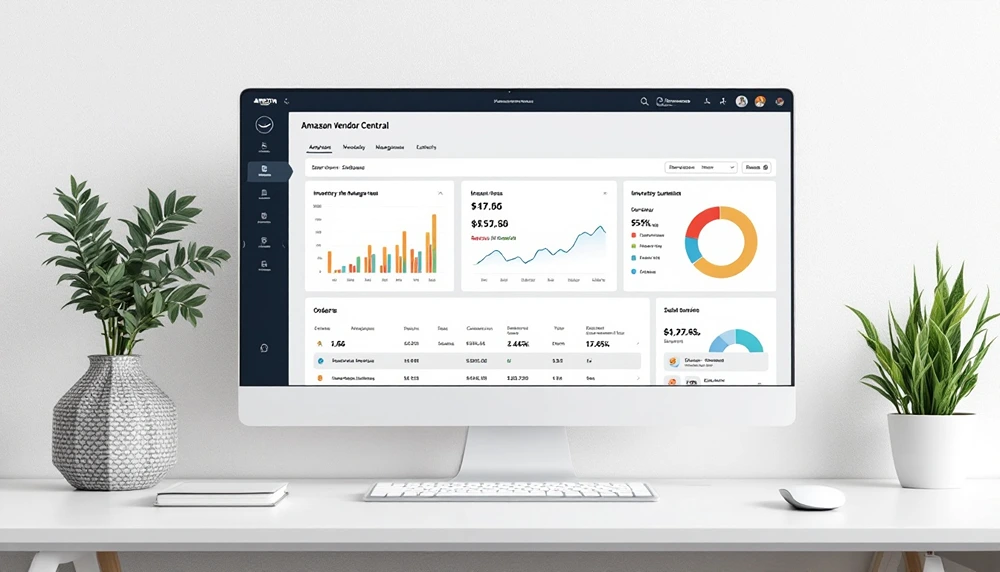
Utilising analytics effectively is paramount in Vendor Central for strategic decision-making. Analytics tools offer insights into consumer behaviour, sales performance, and inventory trends, which are crucial for refining marketing strategies and operational approaches. By analysing this data, brands can identify patterns and make informed decisions that boost efficiency and profitability. The precision of these insights enables businesses to tailor their offerings and promotional efforts to align with market demand, enhancing their competitive edge.
- Leverage Amazon Advertising: Enhance visibility and sales by using targeted advertising campaigns.
- Maintain Accurate Product Listings: Regularly update product information to ensure accuracy and relevance.
- Monitor Inventory Levels: Use analytics to forecast demand and manage stock effectively.
- Engage in Competitive Pricing: Use market data to adjust prices dynamically and remain competitive.
- Utilise Promotional Tools: Take advantage of Amazon’s promotional features to increase product exposure.
Implementing available tools and resources effectively can significantly boost brand visibility and sales on Vendor Central. Amazon Advertising is a pivotal component in this strategy, offering targeted advertising campaigns that can drive traffic and increase sales. By capitalising on these advertising options, brands can reach a broader audience and improve their market presence. Additionally, using promotional tools like discounts and deals can attract new customers and encourage repeat purchases.
Managing overheads efficiently is essential to maximise success on Vendor Central. This involves optimising inventory management to prevent overstocking or stockouts, which can impact profitability and customer satisfaction. Regular review of operational costs and strategic adjustments based on analytical data are necessary to maintain a sustainable business model. By adopting these best practices and leveraging Vendor Central’s resources, brands can enhance their marketplace performance and strengthen their brand presence.
Vendor Central Challenges and Solutions
Amazon Vendor Central presents several challenges, notably the lack of control over pricing and the potential for high fees. What are the specific pricing challenges faced by vendors? Amazon independently sets the retail prices for products sold through Vendor Central, which can significantly impact profit margins. This autonomy often disregards Minimum Advertised Pricing (MAP) guidelines, leading to potential discrepancies between expected and actual earnings. Additionally, vendors must contend with operational overheads, including fees that can reach up to 25% of the sale price, further straining profitability.
- Develop Negotiation Tactics: Engage in strategic discussions with Amazon to influence pricing and terms.
- Adjust Business Strategies: Adapt your business model to accommodate Amazon’s pricing control.
- Optimise Operational Efficiency: Streamline processes to reduce costs and offset high fees.
- Enhance Product Value Proposition: Focus on unique selling points to justify premium pricing.
Managing payment terms is another critical consideration for Vendor Central users. Payment periods typically range from 30 to 120 days, which can affect cash flow. How can vendors manage these extended payment terms? By negotiating more favourable terms within the allowed range and maintaining a comprehensive cash flow strategy, vendors can mitigate the impact of delayed payments. Additionally, careful financial planning and regular monitoring of account receivables can ensure smoother financial operations, enabling businesses to sustain their market presence effectively.

Final Words
Navigating the complexities of Amazon Vendor Central involves understanding its exclusive, invitation-only access and distinct operational model. The platform offers significant advantages, like enhanced brand visibility and trusted consumer interactions, through the “sold by Amazon” label.
While comparing Vendor Central and Seller Central, the first-party model provides superior support, though Seller Central offers greater flexibility in pricing control.
To optimise Vendor Central, leveraging Amazon Advertising and effective data utilisation are vital strategies, balancing its inherent challenges.
Embracing this centralised approach can ultimately increase visibility and boost vendor central amazon effectiveness.
FAQ
What is Vendor Central on Amazon?
A: Vendor Central is a platform for brands to sell wholesale to Amazon, becoming first-party sellers by fulfilling purchase orders directly.
How do I get invited to Amazon Vendor Central?
A: Entry to Vendor Central is by invitation only. Brands should build strong online presences and use Amazon services to improve their chances.
What is the difference between Amazon Vendor and Seller Central?
A: Vendor Central involves selling directly to Amazon, while Seller Central allows third-party selling with control over pricing and product listings.
How much does Amazon Vendor Central charge?
A: Amazon Vendor Central may involve fees up to 25% of the sale price, impacting profit margins significantly.
For professional support with this, see our PPC management.
For agency support with this, see our local SEO across Scotland and the UK and about Smarter Digital Marketing.
