
Can B2B influencer marketing significantly impact your brand’s trajectory towards success? With projections indicating it will surpass $22 billion in revenue by 2022, this strategy is redefining how businesses connect with professional audiences. Similar to word-of-mouth marketing, it relies on trusted voices, yet involves navigating the complexities of longer timelines and multiple decision-makers. Key to success is identifying influencers who resonate with your target market. This article delves into the nuances of B2B influencer marketing, equipping you with insights to leverage its potential effectively.
Understanding B2B Influencer Marketing
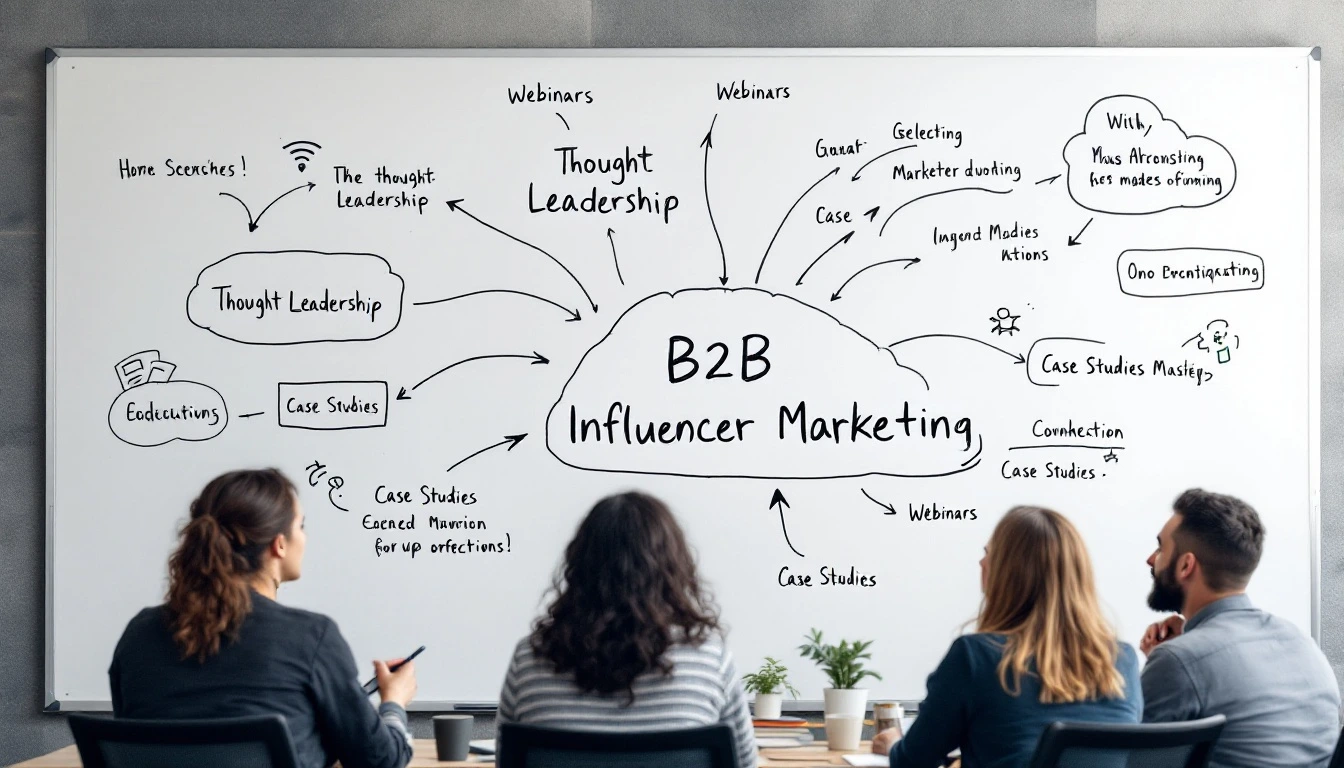
B2B influencer marketing is anticipated to exceed $22 billion in revenues by the end of 2022, highlighting its increasing significance in the marketing landscape. This strategy involves leveraging influential figures who have established trust and credibility within their industries to promote brands. Unlike traditional branded marketing, B2B influencer marketing operates similarly to word-of-mouth, relying on these trusted voices to endorse products or services. The projected growth reflects a shift towards more authentic and engaging marketing practices.
In comparison to B2C influencer marketing, B2B strategies typically involve longer timelines, often extending six months or more. This is due to the complexity of the B2B buying process, which involves multiple decision-makers. While B2C campaigns can yield quicker results through direct consumer engagement, B2B campaigns require a more strategic approach to influence business stakeholders. In B2B, the focus is on building relationships and delivering valuable insights that resonate with corporate buyers.
- Increase brand awareness
- Build and sustain trust
- Generate high-quality leads
- Enhance industry authority
- Strengthen client relationships
Identifying the right influencers is crucial for effective B2B marketing. This process involves a deep understanding of who your target customers are, as well as the industry leaders they follow and engage with. Selecting influencers with a smaller, highly engaged audience can be more valuable than opting for those with a broad but less interactive following. The right influencers align with your brand values and objectives, ensuring that their endorsement authentically resonates with your target audience.
Effective B2B Influencer Marketing Strategies
Successful B2B influencer marketing strategies hinge on the precise selection of platforms and influencers, along with strategic co-creation of content and thorough performance measurement. Influencers bring valuable perspectives and access to vast professional networks, crucial in enhancing a brand’s credibility and trustworthiness. Implementing these strategies demands clear goal setting, developing influencer relationships, and leveraging their unique insights effectively.
Platform and Influencer Selection
Choosing the right platforms and influencers is paramount to successful campaigns. What is the most suitable platform for B2B influencer marketing? LinkedIn stands out as a premier choice due to its professional user base, aligning well with B2B goals. Effective campaigns require understanding where your target demographic is most active, whether on LinkedIn, Twitter, or YouTube. Selecting influencers involves evaluating their alignment with brand values and audience engagement metrics. This alignment ensures that the content they produce resonates authentically with the intended audience.
Co-Creation of Content
How can brands effectively collaborate with influencers? By engaging in co-creation processes that leverage the influencer’s expertise and creativity. Co-created content should be designed to provide genuine value to the target audience, addressing their specific needs and challenges. This collaborative approach not only amplifies the campaign’s impact but also fosters a sense of ownership and authenticity in the promotional content. Whether through blog posts, webinars, or social media takeovers, the content should reflect the influencer’s voice while underscoring the brand’s message.
Measuring Performance
How is the success of B2B influencer campaigns evaluated? Performance measurement is integral, utilising tools like referral links, UTMs, and social media analytics. These tools help track key metrics such as engagement rates, conversion rates, and overall campaign ROI. It is essential to establish clear KPIs before launching campaigns to measure their effectiveness accurately. Monitoring these metrics allows brands to refine strategies, enhancing future campaigns’ effectiveness.
Building long-term relationships with influencers is critical for sustained success in B2B marketing. These partnerships, based on mutual trust and value exchange, extend beyond individual campaigns, fostering ongoing collaboration and brand loyalty. Long-term engagements enable deeper integration of brand messages into an influencer’s content, resulting in more consistent and impactful marketing efforts.
Choosing the Right Platforms for B2B Influencer Marketing

Selecting the most suitable platforms for B2B influencer marketing is critical to the success of any campaign. Which platform is most effective for B2B marketing? LinkedIn is typically regarded as the premier platform for B2B strategies due to its professional network and direct access to industry decision-makers. While Instagram holds a dominant position in the influencer marketing realm, with 71% of U.S. businesses employing it, its effectiveness in B2B contexts is often secondary to platforms that cater specifically to professional audiences. Understanding the unique characteristics and user demographics of each platform can significantly impact campaign outcomes.
| Platform | B2B Suitability |
| High – Professional network | |
| Medium – Broad audience reach | |
| YouTube | High – Educational content |
| Medium – Visual engagement |
Aligning platform choice with the preferences of your target audience is essential. How does one determine the best platform for their audience? A precise understanding of where your audience spends their time online is vital. For instance, LinkedIn and YouTube are ideal for reaching professionals and providing in-depth insights, while Twitter can be effective for real-time engagement and broad audience interaction. The key lies in selecting a platform that not only aligns with your marketing goals but also resonates with the behaviours and interests of your target demographic.
Case Studies: Successful B2B Influencer Campaigns
Examining successful B2B influencer campaigns provides valuable insights into effective strategies and tactics. These case studies highlight how companies have leveraged influencer partnerships to achieve significant business outcomes, offering practical examples for others looking to enhance their marketing efforts.
VideoFruit’s Guest Blogging Strategy
How did VideoFruit utilise guest blogging to succeed? By partnering with influencers to create high-quality, relevant content that resonated with targeted audiences. VideoFruit implemented a guest blogging strategy where industry influencers contributed to their blog, drawing in their followers and boosting traffic. This approach not only expanded their reach but also enhanced credibility, as the content came from trusted voices within the industry. The strategy resulted in increased engagement and fostered brand authority, demonstrating the potential of guest blogging as an effective influencer marketing tool.
Kaspr’s EU Market Growth
What strategy did Kaspr use to double growth in EU markets? Kaspr employed demand generation strategies that capitalised on influencer partnerships, focusing on long-term collaborations that extended beyond initial campaigns. By utilising influencers familiar with the local market dynamics and challenges, Kaspr effectively tailored their messaging and offerings to resonate with the target audience. The strategic use of these partnerships facilitated deeper penetration into the EU markets, resulting in substantial growth. Kaspr’s approach underscores the importance of understanding market specifics and leveraging influencer expertise to drive successful outcomes.
These case studies illustrate key lessons in B2B influencer marketing. VideoFruit’s success with guest blogging highlights the value of content co-creation with industry experts, while Kaspr’s strategic use of local influencers demonstrates the impact of tailored messaging and long-term collaborations. Both cases emphasise the importance of aligning influencer efforts with broader business objectives to achieve measurable growth and success.
Measuring the ROI of B2B Influencer Marketing
Why is setting clear goals important in measuring ROI? Establishing clear objectives is fundamental to accurately assess the return on investment in B2B influencer marketing. Goals provide a framework for evaluating the effectiveness of campaigns by defining specific outcomes to aim for, such as brand awareness, lead generation, or conversion rates. These objectives enable marketers to align influencer activities with business priorities, facilitating more targeted and efficient resource allocation. Without predefined goals, measuring success becomes subjective, undermining the ability to gauge true performance and ROI.
- Referral Links: Track traffic and conversions generated by influencer campaigns.
- UTMs: Use unique UTM parameters to monitor specific campaign performance.
- CRM Integration: Connect influencer efforts with CRM systems to track lead generation and sales impact.
- Engagement Metrics: Measure likes, shares, comments, and other interactions to assess audience engagement.
- Performance Dashboards: Consolidate data from various sources to provide a holistic view of campaign success.
How do long-term partnerships compare to short-term engagements? Long-term collaborations with influencers typically yield deeper insights and more sustainable results than one-off campaigns. Sustained partnerships allow for a more profound integration of brand messaging into influencer content, fostering increased authenticity and audience trust. Over time, these relationships can lead to enhanced brand loyalty and consistent engagement, offering a more comprehensive understanding of the influencer’s impact on business objectives. Conversely, short-term engagements may provide immediate visibility but often lack the depth required for substantial ROI analysis.
Overcoming Challenges in B2B Influencer Marketing
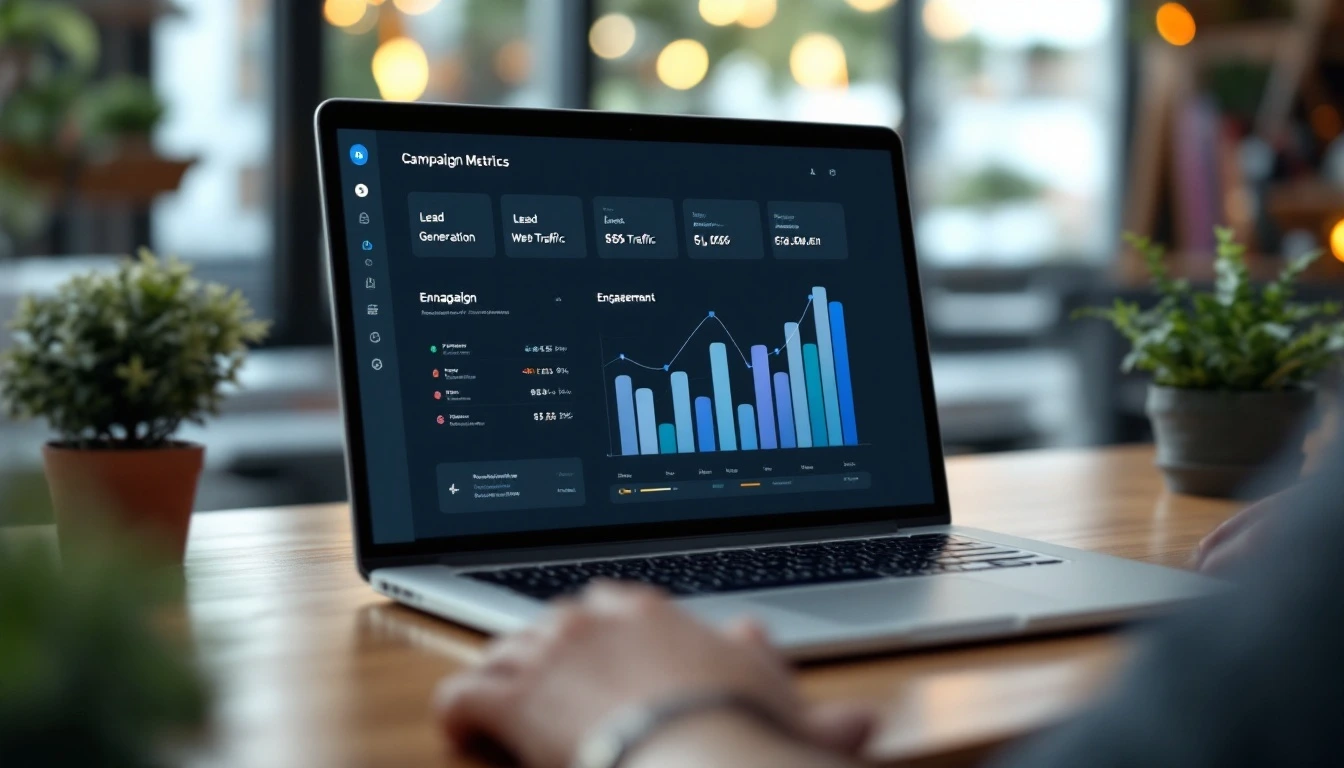
What are the primary challenges in B2B influencer marketing? Precision reveals that niche markets, long sales cycles, and offline engagements are significant barriers. Niche markets can limit the pool of suitable influencers, making identification and partnership challenging. Long sales cycles complicate the measurement of campaign success, as results may take months to manifest. Offline engagements further obscure tracking efforts, as they fall outside the digital metrics typically monitored. These challenges necessitate refined strategies to ensure successful influencer marketing initiatives.
- Identify Niche Influencers: Focus on influencers who possess industry-specific knowledge and credibility.
- Set Clear Objectives: Establish measurable goals to navigate long sales cycles effectively.
- Utilise CRM Systems: Integrate CRM tools to capture offline interactions and lead progress.
- Foster Long-term Partnerships: Build enduring relationships to mitigate the slow results of B2B cycles.
Why is communication vital in B2B influencer marketing? Effective communication is crucial to maintain clarity and manage expectations. Clearly defining roles, objectives, and deliverables with influencers ensures alignment and fosters a productive working relationship. It prevents misunderstandings and ensures that both parties are working towards the same goals, enhancing mutual trust. Relationship management is equally important, as it involves ongoing engagement and feedback, critical for refining strategies and optimising campaign outcomes over time.
Final Words
In revealing the nuances of B2B influencer marketing, the article detailed its unique benefits and challenges. Effective strategies, such as selecting the right platforms and influencers, are paramount for campaign success. Case studies demonstrated practical applications and successes, underscoring the potential for significant impact.
Considering the projected growth of the B2B influencer market, businesses should navigate this space thoughtfully. Building meaningful relationships with influencers and focusing on precise performance measurement can drive substantial results.
Embracing B2B influencer marketing opens avenues for enhanced trust, awareness, and growth in the digital landscape.
FAQ
Q: What is influencer marketing in B2B?
A: Influencer marketing in B2B focuses on leveraging industry experts to promote products. This approach is similar to word-of-mouth marketing, gaining trust and visibility through authoritative figures.
Q: What is the best platform for B2B influencers?
A: The best platform for B2B influencers often varies, but LinkedIn is highly effective due to its professional network. It enables targeted industry engagement and content sharing.
Q: What is B2B vs B2C influencer marketing?
A: B2B influencer marketing targets other businesses with longer sales cycles, while B2C caters directly to consumers with typically shorter decision processes and broader audience engagement.
Q: What are the 4 C’s of B2B marketing?
A: The 4 C’s of B2B marketing are: Customer, Cost, Convenience, and Communication. These principles focus on understanding customer needs, managing costs, providing convenience, and maintaining open communication.
Q: What are some examples of B2B influencer marketing?
A: Examples of B2B influencer marketing include industry webinars, expert guest blogging, LinkedIn articles, and collaborative research reports, all designed to enhance credibility and reach within professional networks.
Q: What strategies improve B2B influencer marketing?
A: Effective strategies include selecting relevant influencers, co-creating content tailored to audiences, and consistently measuring campaign performance to adapt and refine approaches for better results.
Q: How do you identify the right B2B influencers?
A: Identifying the right B2B influencers involves analyzing who your target customers engage with online. Utilise data analytics tools to assess influencer reach and audience alignment.
Q: What tools support B2B influencer marketing?
A: Tools that support B2B influencer marketing include social listening platforms, CRM systems, analytics software, and network-specific tools like LinkedIn Sales Navigator for demographic and engagement insights.
For professional support with this, see our PPC management.
For agency support with this, see our local SEO across Scotland and the UK and about Smarter Digital Marketing.
