
Are QR codes the secret weapon your retail business needs to elevate customer engagement? In-store marketing has evolved, and these scannable codes are at the forefront of bridging the gap between physical products and digital experiences. By embedding QR codes, retailers can seamlessly link customers to exclusive promotions, detailed product information, and immersive virtual experiences. This cost-efficient strategy not only boosts interaction rates but also enhances the overall shopping experience. Discover how implementing QR codes can transform your approach to customer engagement and enhance your retail space.
Introduction to QR Codes in In-Store Marketing
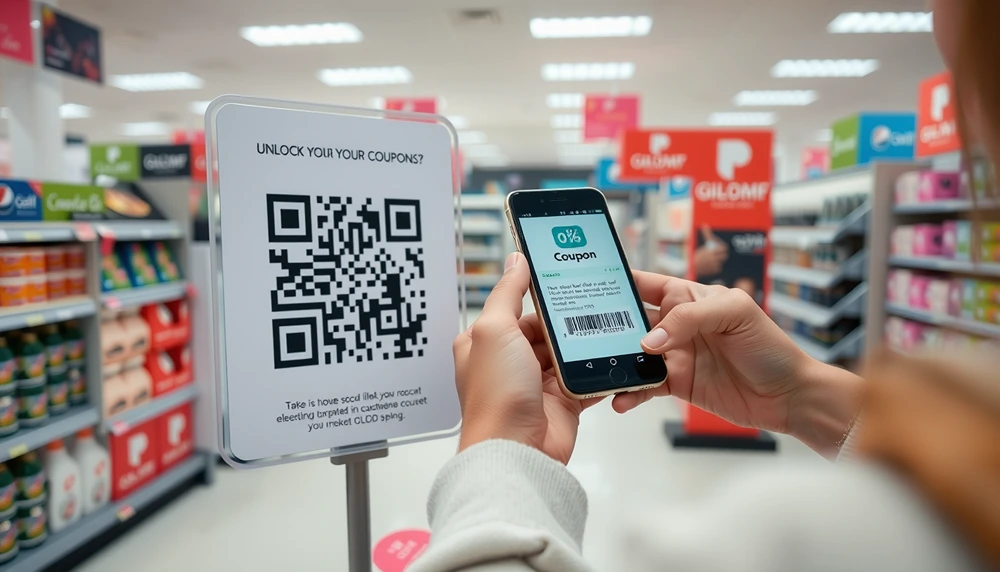
QR codes, or Quick Response codes, are two-dimensional barcodes that store information accessible via a smartphone camera. In retail environments, they serve as digital gateways, enabling customers to access online content by scanning the code with their devices. This technology allows retailers to offer supplementary information about products, such as specifications, user reviews, or instructional videos, directly on customers’ smartphones. QR codes can be strategically placed throughout the store, on product packaging, shelves, or promotional displays, to maximise visibility and interaction.
The use of QR codes in in-store marketing holds significant potential benefits. One of the primary advantages is the enhancement of customer engagement, as QR codes provide an interactive element that enriches the shopping experience. By linking to special promotions, exclusive discounts, or augmented reality experiences, retailers can attract more customers and encourage longer store visits. Additionally, the implementation of QR codes is cost-effective, requiring minimal investment for potentially high returns. They can increase interaction rates significantly, making them an attractive tool for retailers aiming to boost customer involvement and sales.
By bridging physical and digital experiences, QR codes create a seamless shopping journey. When customers scan a QR code, they can instantly access digital content that complements the tangible product in front of them. This connection between the physical and digital realms not only enhances customer satisfaction but also provides retailers with valuable insights into consumer behaviour. By analysing engagement metrics, retailers can tailor their marketing strategies to better meet customer needs, ultimately improving the overall shopping experience and encouraging customer loyalty.
Implementing QR Codes: Best Practices and Strategies
Strategic placement of QR codes in high-traffic areas is crucial for maximising their visibility and effectiveness in-store. By positioning QR codes on product packaging, shelves, or checkout areas, retailers can ensure that customers naturally encounter these digital tools during their shopping journey. This visibility not only increases the likelihood of customer interaction but also integrates QR codes seamlessly into the retail environment, enhancing the shopping experience without disrupting it.
The ease with which QR codes can be scanned directly impacts their success. Ensuring QR codes are of an adequate size and have a high contrast against their background is vital for smooth scanning. Placement should allow for comfortable scanning distances and angles, avoiding areas with potential obstructions or glare. These considerations help in providing a frictionless user experience, encouraging customers to engage more frequently with the QR codes.
- Place QR codes in high-traffic areas like entrances or popular product sections.
- Use clear, contrasting colours for QR codes to enhance scanability.
- Provide straightforward instructions on how to scan QR codes.
- Regularly update the digital content linked to QR codes.
- Use QR codes to offer exclusive promotions or content to incentivise scanning.
Visual aids and signage play a significant role in enhancing customer understanding of QR code functionality. Instructional signs placed near QR codes can guide customers on how to use them effectively, reducing any hesitation they might have. Clear calls-to-action, such as “Scan to Save” or “Discover More,” can prompt customers to interact, making the process intuitive and engaging.
Tracking and analysing QR code engagement metrics is essential for refining marketing strategies. By monitoring how often QR codes are scanned and what content drives the most interaction, retailers can gain insights into customer preferences and behaviours. This data allows for the optimisation of marketing efforts, ensuring that QR codes continue to serve as a valuable tool in enhancing customer engagement and driving sales.
Case Studies: Success Stories with QR Codes

QR codes have demonstrated a significant impact on sales and customer engagement in retail environments. By providing instant access to discounts and exclusive content, QR codes have been instrumental in increasing interaction rates. Some retailers have reported up to a 30% boost in customer engagement following the implementation of these digital tools. This increase is largely attributed to the convenience and immediacy that QR codes offer, transforming a customer’s in-store experience by linking physical products to valuable digital content.
| Case Study | Outcome |
| Retailer A using QR codes for contactless payments | 25% increase in transaction speed and customer satisfaction |
| Retailer B integrating QR codes with loyalty programmes | 20% rise in membership sign-ups and engagement rates |
| Retailer C offering exclusive content via QR codes | 30% boost in customer interaction and repeat store visits |
These case studies highlight the potential of QR codes to enhance in-store marketing efforts significantly. By facilitating contactless payments, streamlining loyalty programmes, and offering unique digital content, QR codes provide retailers with versatile tools to engage customers effectively. The positive outcomes reflected in these examples indicate that when strategically implemented, QR codes can not only elevate the shopping experience but also drive substantial improvements in customer interaction and sales metrics.
Overcoming Challenges in QR Code In-Store Marketing
Implementing QR codes in-store presents several challenges that retailers must navigate to maximise their effectiveness. A key issue is customer awareness; some customers may not be familiar with how to scan QR codes or understand their purpose. Addressing this requires educational efforts, such as clear signage and staff assistance. Technical difficulties, such as scanning errors and slow internet connections, can also hinder the effectiveness of QR codes. Ensuring that QR codes are easily accessible and technically sound is essential for seamless customer interaction.
- Scanning errors: Ensure QR codes are printed clearly and placed on a flat surface.
- Slow internet connectivity: Offer in-store Wi-Fi to improve scanning speed and reliability.
- Damaged QR codes: Regularly inspect and replace QR codes to maintain functionality.
- Device compatibility issues: Test QR codes across different devices to ensure universal accessibility.
Maintaining updated and relevant digital content linked to QR codes is crucial. Retailers must regularly review and refresh the content to keep it engaging and useful for customers. Outdated information can lead to customer dissatisfaction and reduced interaction rates. By keeping digital content dynamic and aligned with current marketing campaigns, retailers can maintain customer interest and enhance their shopping experience.
Security is another critical consideration when using QR codes. Malicious QR codes can pose a threat to customer privacy and data security. Retailers should implement safeguards such as secure links and regular security audits to prevent fraudulent activities. Educating customers on recognising legitimate QR codes and providing secure scanning environments can also help protect them from potential security breaches, fostering trust and confidence in the use of QR codes in-store.
Technological Insights and Future Trends in QR Code Marketing
The integration of QR codes with existing technological systems presents significant opportunities for enhancing customer interaction. QR codes can now be seamlessly incorporated into loyalty programs, allowing customers to easily access their rewards and benefits via a simple scan. Mobile payment systems also benefit, as QR codes facilitate swift and secure transactions, enhancing the shopping experience by reducing checkout times. These integrations not only streamline processes but also provide customers with added convenience, potentially increasing brand loyalty and customer retention.
Analytics play a pivotal role in understanding and optimising QR code usage in marketing strategies. By tracking the frequency and context of QR code scans, retailers gain valuable insights into customer behaviour and preferences. This data allows for the refinement of marketing tactics, ensuring that campaigns are more targeted and effective. Understanding which QR codes attract the most engagement helps retailers tailor their content, improving both customer satisfaction and the overall effectiveness of the marketing strategy.
Emerging Trends in QR Code Marketing
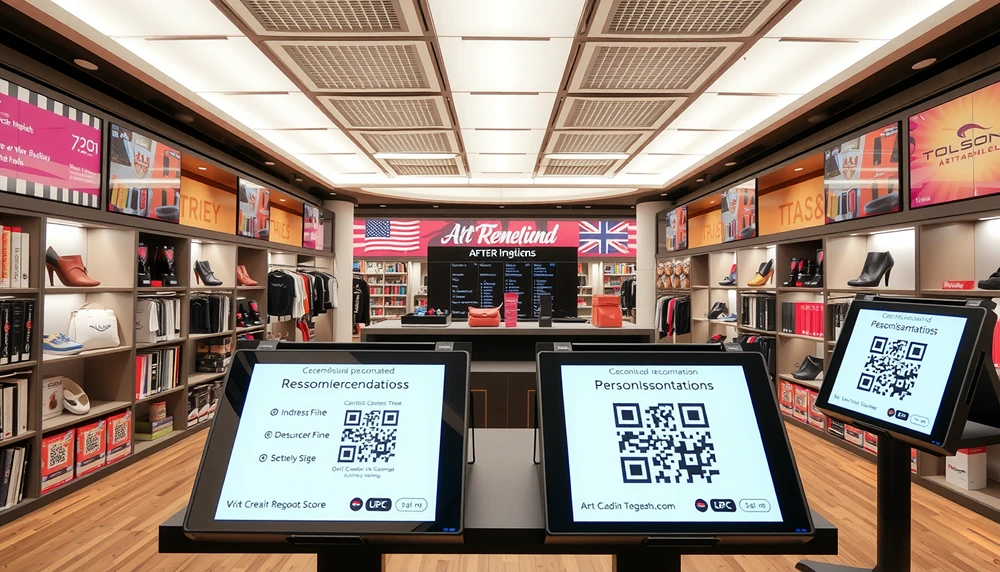
The future of QR codes in marketing is poised for innovative advancements, particularly in augmented reality (AR) and personalised marketing campaigns. AR applications can bring products to life, allowing customers to experience them in a virtual space before purchase. Personalised campaigns driven by QR codes can offer tailored content, enhancing customer engagement by aligning with individual preferences and shopping habits. These trends suggest a shift towards more immersive and customised shopping experiences.
Incorporating QR codes into broader digital marketing strategies is essential for creating a cohesive customer journey. When QR codes are part of an integrated approach, they can link physical retail experiences with online platforms, offering a seamless transition between the two. This integration supports a unified brand message and enhances the overall customer experience, making interactions more fluid and consistent across various touchpoints.
Smarter Digital Marketing is at the forefront of implementing cutting-edge QR code solutions for retailers. By harnessing the latest technological advancements, they position themselves as leaders in crafting innovative marketing strategies that leverage QR codes. Their expertise in creating tailored solutions ensures that retailers can maximise the potential of QR codes, enhancing customer engagement and driving sales effectively.
Final Words
QR codes have revolutionised in-store marketing, bridging physical and digital realms effortlessly. Their strategic use enhances customer engagement, drives sales, and offers valuable insights for retailers. Successful implementations showcased in case studies underline their potential to amplify marketing efforts.
Addressing challenges, such as customer awareness and technical issues, ensures smooth experiences. Looking ahead, integrating QR codes with emerging technologies promises exciting advancements. Smarter Digital Marketing stands at the forefront, offering expertise to optimise QR code in-store marketing, paving the way for maximised success.
FAQ
What are QR codes and their function in retail?
QR codes are square barcodes used in retail to link physical products to digital content. They are simple to scan and direct customers to promotions, product details, or virtual experiences.
How do QR codes enhance customer engagement in retail?
QR codes enhance customer engagement by providing quick access to special offers, detailed product information, and augmented reality experiences, increasing interaction rates and enriching the shopping experience.
What are the benefits of using QR codes in-store?
Implementing QR codes is cost-effective and boosts customer interaction, providing a seamless bridge between physical products and digital content, which improves overall shopping experiences for customers.
Where should QR codes be placed in stores for maximum effectiveness?
Place QR codes in visible, high-traffic areas such as product packaging, shelves, or checkout areas to ensure accessibility and convenience for scanning by customers.
How can QR codes be made easily scannable?
To ensure QR codes are easily scannable, use appropriate size and contrast, place them on flat surfaces, and ensure they’re not obstructed or damaged.
What are best practices for implementing QR codes in stores?
Maintain updated content, provide clear usage instructions, use strong contrast for codes, test for scannability, and incorporate calls-to-action to direct customer interactions.
How do visual aids and signage support QR code usage?
Visual aids guide customers by explaining QR code usage, enhancing understanding and encouraging interaction, ultimately improving the effectiveness of QR code campaigns.
Why is tracking engagement metrics important for QR codes?
Tracking engagement metrics is essential for analysing customer interactions, refining strategies, and optimising QR code campaigns to improve marketing success and return on investment.
For professional support with this, see our PPC management.
For professional support with this, see our digital marketing services.
For professional support with this, see our web design services.
For professional support with this, see our about Smarter Digital Marketing.
For professional support with this, see our local SEO across Scotland and the UK.
