
Is traditional advertising losing its edge in capturing consumer attention? AR product demos are revolutionising consumer interaction, providing immersive and interactive experiences that redefine engagement. By leveraging augmented reality, brands can present realistic 3D models and offer potential buyers a virtual feel of products, much like IKEA’s app that allows users to envision furniture in their homes. This transformative approach not only captivates the audience but also expands market reach, making AR product demos a pivotal tool in modern marketing strategies. Discover how these demos are shaping the future of consumer engagement.
Understanding AR Product Demos and Their Impact
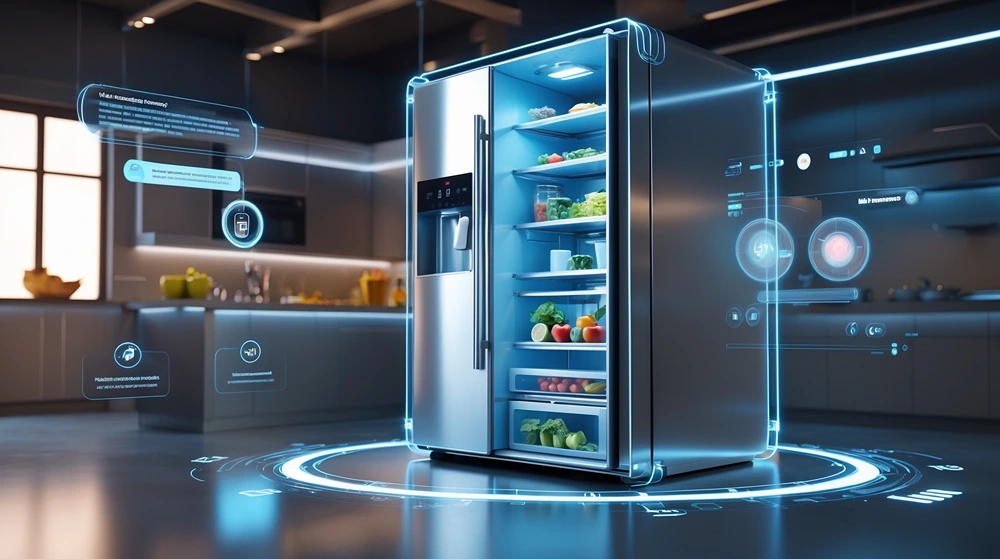
Augmented Reality (AR) product demos revolutionise consumer interaction by offering engaging and immersive experiences. This technology facilitates the presentation of realistic 3D models, allowing consumers to interact with products in a more dynamic and engaging manner. By bridging the gap between the physical and digital worlds, AR product demos enhance consumer engagement and expand the potential reach of marketing campaigns. This technology offers businesses the ability to showcase their products in a virtual space, thus creating a more personalised and impactful customer experience.
- Increase consumer engagement by offering interactive experiences.
- Enable broader reach by eliminating geographical barriers.
- Enhance product understanding through realistic 3D visualisations.
- Strengthen brand connection with immersive storytelling techniques.
- Improve customer satisfaction and confidence in purchasing decisions.
A prime example of AR’s effectiveness is IKEA’s application, which allows users to visualise how furniture would look in their homes before purchasing. This application exemplifies the practical application of AR technology for consumer engagement. By allowing customers to virtually place items in their living spaces, IKEA has successfully enhanced the shopping experience, increased customer satisfaction, and reduced the likelihood of returns. Such real-world applications highlight the significant impact AR product demos can have on consumer interaction and business growth.
Innovative Technologies Behind AR Product Demos
Augmented Reality (AR) and Virtual Reality (VR) technologies are the cornerstone of modern product demonstrations. By integrating these technologies, businesses can create immersive and interactive experiences that bridge the gap between digital and physical realms. AR technology overlays digital information onto the real world, enhancing product demonstrations with dynamic visuals and interactive elements. VR, on the other hand, provides a completely virtual environment, allowing users to engage with products in a simulated setting. These technologies offer versatile applications across various sectors, from retail environments to gaming, providing a platform for detailed product exploration and engagement.
MobiDev exemplifies innovative use of AR technology, particularly in enhancing navigation and customer support. For instance, AR is employed for indoor navigation, optimising routes in complex locations such as shopping malls or airports. This application not only improves customer experience but also reduces the workload on employees by providing efficient route guidance. Additionally, MobiDev utilises shared AR and WebRTC for remote assistance, offering real-time 3D visualisation to facilitate tech support. These implementations highlight the effectiveness of AR in improving operational efficiency and customer satisfaction through practical applications.
Microsoft HoloLens in Product Demos
Microsoft HoloLens plays a significant role in creating immersive product presentations. This technology utilises mixed reality to blend real-world environments with digital content, enabling detailed and interactive product demonstrations. HoloLens is particularly useful in educational settings and product presentations, where users can interact with 3D models and gain a deeper understanding of complex products or concepts. The ability to visualise and manipulate product features in a virtual space enhances learning and engagement, making it a powerful tool for both businesses and educational institutions.
Digital demo platforms are essential in enabling these AR and VR experiences. These platforms provide the necessary infrastructure for deploying and managing digital content, ensuring seamless integration and user interaction. By leveraging digital platforms, businesses can deliver consistent and high-quality AR experiences across multiple devices and locations. This not only broadens the reach of product demos but also allows for real-time updates and customisations, ensuring that demonstrations remain relevant and engaging for diverse audiences.
Case Studies of Effective AR Product Demos
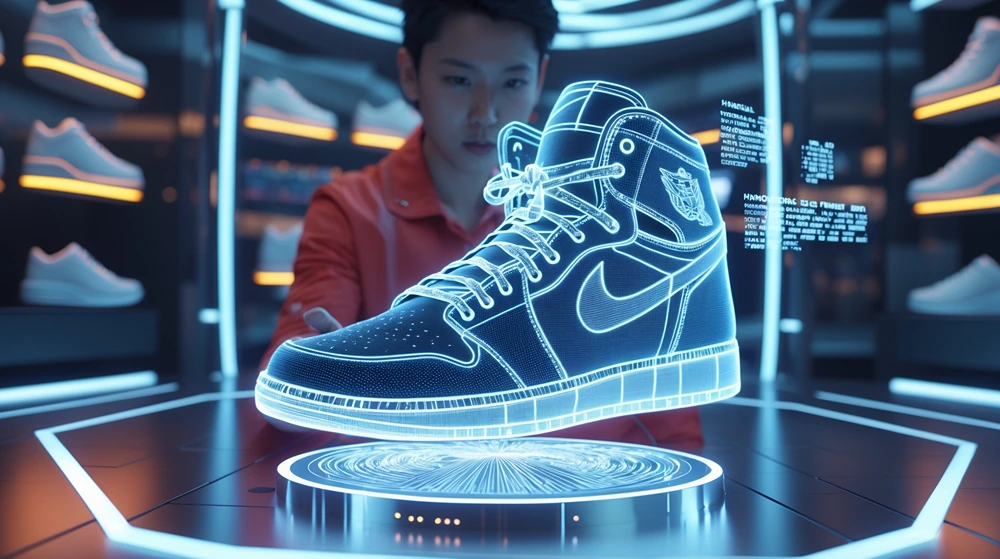
Virtual showrooms have become a pivotal tool in transforming how consumers interact with products. By creating immersive environments, these digital spaces allow customers to explore and engage with products as if they were physically present. The primary advantage of virtual showrooms is their ability to provide detailed product visualization, enhancing both the understanding and appeal of complex items. This interactive experience not only captivates potential buyers but also facilitates informed decision-making, leading to increased satisfaction and reduced return rates. As a result, businesses can present their offerings in a more compelling manner, ultimately boosting engagement and sales.
In the retail sector, augmented reality (AR) has revolutionised the concept of virtual try-ons, offering a unique solution to the traditional shopping experience. By enabling customers to “try before they buy,” AR technology significantly increases purchase confidence and customer satisfaction. This approach reduces uncertainties associated with buying decisions, particularly for products like clothing, cosmetics, and accessories, where fit and appearance are crucial. Retailers employing AR for virtual try-ons have reported higher conversion rates and a more personalised shopping experience, aligning consumer expectations with product offerings.
| Company | Application |
| IKEA | Furniture visualization |
| Sephora | Virtual makeup try-ons |
| Wayfair | Room design visualizations |
| Nike | Interactive shoe fitting |
| Amazon | Home product placements |
Benefits of AR Product Demos in Marketing
Augmented reality (AR) product demos significantly enhance consumer engagement by providing interactive and immersive experiences that resonate with consumers’ lifestyles and preferences. By integrating fully immersive 360-degree experiences and virtual booths, brands can deliver captivating storytelling that deepens consumer interaction. This approach transforms traditional marketing strategies, allowing businesses to present their products in a more engaging and memorable manner. The unique ability of AR to merge digital content with real-world environments offers consumers a deeper connection to the brand, ultimately fostering a more meaningful engagement.
- Increases interaction through immersive, multi-sensory experiences.
- Strengthens brand storytelling by creating engaging narratives.
- Enhances product visibility with realistic visualisations.
- Encourages consumer exploration with interactive elements.
AR’s impact on consumer purchasing decisions is profound, with immersive demos leading to higher confidence and satisfaction. By allowing potential buyers to experience products virtually, AR reduces uncertainty and boosts purchase intent. This technology also plays a crucial role in building brand loyalty, as engaging AR experiences tend to leave a lasting impression, encouraging repeat business. As consumers become more accustomed to interactive and personalised shopping experiences, AR product demos offer a competitive edge, driving both immediate sales and long-term customer relationships.
Implementing AR Product Demos with Smarter Digital Marketing
Smarter Digital Marketing excels in integrating augmented reality (AR) into marketing strategies, offering cutting-edge solutions that redefine consumer engagement and brand promotion. Their expertise lies in crafting user-friendly AR applications tailored specifically for retail environments. These applications not only enhance the in-store experience but also bridge the gap between digital and physical shopping, transforming how consumers interact with products. By leveraging AR technology, Smarter Digital Marketing enables brands to create immersive and engaging marketing campaigns that captivate audiences and drive sales.
- Customised AR solutions for retail settings to boost consumer interaction.
- Seamless AR integration into existing marketing strategies for maximised impact.
- Development of engaging AR experiences that increase brand loyalty and consumer retention.
Final Words
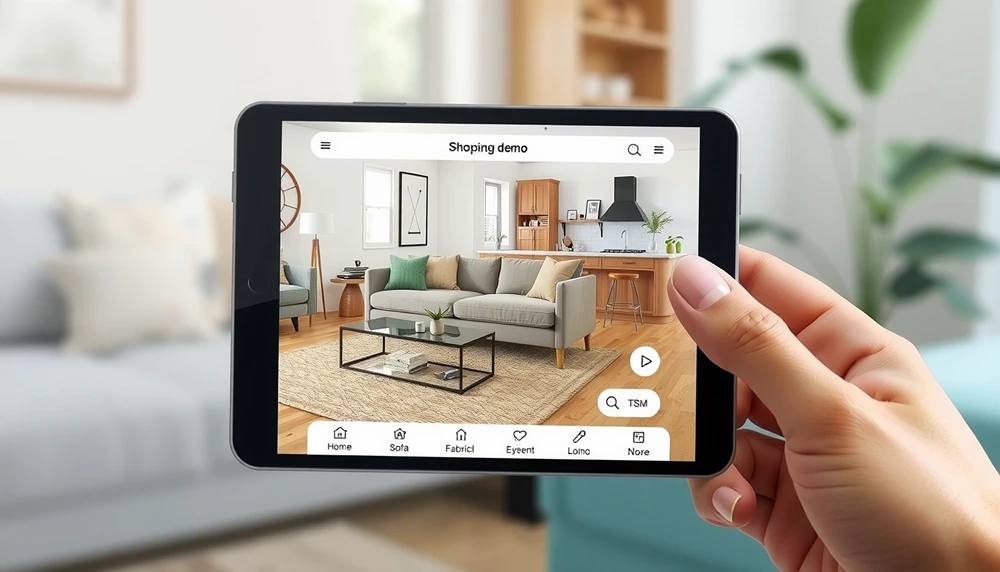
Embracing AR product demos transforms traditional marketing by creating interactive, immersive experiences that captivate consumers. Technologies such as VR and innovative platforms enhance the demonstration capabilities, ensuring more engaging consumer interactions. Successful applications, like those by IKEA and Microsoft, validate the significant impact of AR in real-world settings.
For businesses, adopting AR product demos offers a pathway to improved customer satisfaction and increased brand loyalty. Smarter Digital Marketing stands ready to integrate these technologies effectively, ensuring businesses optimize their outreach. AR product demos not only elevate marketing strategies but also strengthen consumer bonds, promising a vibrant digital future.
FAQ
Are product demos free?
Product demos can be free or paid, depending on the provider and the complexity of the demo. Many companies offer free demos as a way to attract potential customers by showcasing their product features.
How can I review AR product demos?
AR product demos are typically reviewed online through user feedback and ratings. Customers often share experiences on platforms like forums, social media, or review websites, helping potential buyers make informed decisions.
What is a Web AR demo?
A Web AR demo is an augmented reality experience accessible via a web browser without downloading additional apps. It allows users to interact with 3D models or AR content seamlessly across various devices.
Where can I find Web AR examples on GitHub?
Web AR examples on GitHub are available through repositories dedicated to AR projects. These include open-source code, aiding developers in creating immersive web-based augmented reality experiences.
What is AR.js?
AR.js is an open-source library for Augmented Reality on the web, designed to bring AR experiences to all web users. It’s efficient, enabling the delivery of immersive AR content without heavy computational requirements.
Can you provide a WebXR AR example?
WebXR AR examples demonstrate XR capabilities in web environments, combining both VR and AR for interactive experiences. Google’s AR & VR samples often showcase WebXR applications, providing developers with practical implementation insights.
What is an AR maker?
An AR maker is a tool or software that enables the creation of augmented reality content and experiences. These platforms are designed for ease of use, allowing users to build immersive AR applications without deep technical knowledge.
What is an AR manual?
An AR manual is an interactive guide using augmented reality to provide instructions or tutorials. These manuals use 3D models and overlays to enhance understanding and engagement, often employed in training and education contexts.
For professional support with this, see our PPC management.
For agency support with this, see our digital marketing services and SEO services.
For professional support with this, see our web design services.
For professional support with this, see our about Smarter Digital Marketing.
