
Is SaaS marketing merely traditional marketing with a tech twist, or does it call for an entirely different approach? The rapid pace of software-as-a-service industries presents unique challenges and opportunities that distinguish SaaS marketing from its traditional counterpart. This article dissects how SaaS marketing strategies diverge, from an emphasis on subscription models to prioritising customer retention and capitalising on digital channels. Understanding these differences can be pivotal for marketers aiming to enhance online visibility and drive sustained growth. Explore the critical insights into how SaaS marketing fundamentally transforms traditional marketing dynamics.

Understanding the Key Differences in SaaS Marketing
SaaS marketing prioritises subscription models, which are integral to its success. Unlike traditional marketing, where the primary focus is on one-time sales, SaaS marketing revolves around securing recurring revenue through customer retention. The recurring nature of subscriptions necessitates a concentrated effort on maintaining customer satisfaction and ensuring continuous value delivery. This focus is crucial as it directly influences subscriber loyalty and reduces churn rates, making customer retention a cornerstone of SaaS marketing strategies.
Digital channels play a pivotal role in SaaS marketing, serving as the primary means to reach and engage target audiences. Content marketing, SEO, and social media are employed extensively to educate potential customers and generate interest in the product. Content marketing provides valuable insights and information, positioning the SaaS provider as an authority in their field. SEO enhances online visibility, ensuring the product is discoverable by those searching for relevant solutions. Social media platforms facilitate direct interaction and engagement, allowing for a personalised approach to marketing.
- SaaS marketing relies on recurring revenue, unlike traditional marketing’s one-time sales.
- Digital engagement is continuous in SaaS, whereas traditional marketing often focuses on initial purchase.
- Content and SEO are central in SaaS, unlike traditional print or broadcast media.
- SaaS requires ongoing customer support, contrasting with post-purchase support in traditional models.
- The sales cycle in SaaS is often shorter, with a focus on swift customer onboarding.
Ongoing customer engagement is vital in SaaS marketing due to the subscription-based model. Unlike traditional marketing, which may conclude after a sale, SaaS requires continuous interaction with customers. This ongoing relationship ensures that customers derive ongoing value from the service, facilitating long-term loyalty and higher renewal rates. Regular updates, improvements, and communication about product enhancements are essential to keeping users engaged and satisfied.
The Importance of Subscription Models in SaaS Marketing
Subscription models in SaaS marketing are pivotal due to their ability to generate recurring revenue. Unlike traditional sales, which rely on one-time transactions, SaaS businesses benefit from a steady income stream that enhances financial stability and growth potential. Recurring revenue allows companies to predict cash flow more accurately and invest in long-term strategies. This model shifts the focus from merely acquiring new customers to nurturing existing relationships, ensuring that clients continue to see value in the service. By prioritising customer retention, SaaS companies can reduce churn rates and maximise the lifetime value of each subscriber.
Maintaining customer subscriptions in SaaS requires a strategic approach centred on continuous engagement and satisfaction. Effective communication is crucial, ensuring that users are informed about updates and improvements. Regularly updating the software not only enhances user experience but also demonstrates a commitment to innovation and customer success. Personalised interactions, such as tailored email campaigns and user feedback loops, can significantly enhance customer satisfaction. Providing excellent customer support and resources, like tutorials and webinars, further aids in retaining subscribers by helping them fully understand and utilise the service’s features.
| Challenge | Strategy |
| Maintaining customer engagement | Implement personalised email campaigns and user feedback loops |
| Communicating updates effectively | Regularly update users through newsletters and in-app notifications |
| Reducing churn rates | Offer exceptional customer support and comprehensive onboarding resources |
Customer Retention and Success in SaaS Marketing
Customer retention is paramount in SaaS marketing due to the subscription-based revenue model. Unlike traditional models where the focus is on securing an initial sale, SaaS companies must ensure continuous engagement to maintain subscriptions. Effective retention strategies are essential to reduce churn rates and secure long-term revenue. Retention efforts should focus on consistently delivering value and addressing customer needs, thereby fostering loyalty and encouraging renewals.
Customer success plays a critical role in SaaS retention strategies. Successful onboarding processes and robust support systems are vital to ensure customers derive maximum value from the service. By providing comprehensive resources and assistance, SaaS companies can help users fully understand and utilise the product’s features. This proactive approach not only enhances user satisfaction but also builds trust and strengthens the customer relationship, leading to increased retention and success rates.
- Personalised email campaigns to keep users informed and engaged
- Regularly updating the software to add value and enhance user experience
- Comprehensive onboarding sessions to facilitate smooth user transitions
- Offering exceptional customer support to resolve issues promptly
Leveraging data analytics is essential for understanding customer behaviour and refining retention strategies in SaaS marketing. Analytics provide insights into user preferences, allowing companies to tailor their offerings and communication effectively. By analysing usage patterns and feedback, SaaS businesses can identify potential churn risks and address concerns before they escalate. This data-driven approach not only improves customer satisfaction but also optimises retention efforts, ensuring sustained growth and profitability.
Digital Channels Utilised in SaaS Marketing
Content marketing is a cornerstone in SaaS marketing strategies. How does content marketing benefit SaaS companies? Content marketing attracts and educates potential customers by providing valuable information and insights that establish the company as an authority within its niche. This approach not only drives traffic to the website but also nurtures prospects by addressing their pain points and guiding them through the decision-making process. Creating high-quality content such as blog posts, white papers, and case studies helps to build trust and credibility, ultimately leading to higher conversion rates.
SEO and social media are integral to boosting the visibility of SaaS products. Why are SEO and social media critical for SaaS marketing? SEO ensures that the company’s offerings appear prominently in search engine results, making it easier for potential users to find solutions that fit their needs. By optimising website content with relevant keywords and improving site structure, SaaS companies can enhance their online presence and reach a wider audience. Social media platforms, on the other hand, enable direct interaction with potential customers. They provide a channel for sharing valuable content, engaging with users, and fostering a community around the brand. This interaction can lead to increased brand awareness and customer loyalty.
Effective Digital Strategies
Webinars and personalised content are effective digital strategies for engaging SaaS audiences. Webinars offer an interactive platform to demonstrate product features and benefits, allowing potential customers to see the software in action. Personalised content, such as targeted emails and customised landing pages, can significantly increase engagement by delivering relevant information tailored to the specific needs and preferences of individual users. These strategies not only enhance user experience but also increase the likelihood of conversion by addressing unique customer concerns.
Digital marketing plays a crucial role in lead generation for SaaS companies. How does digital marketing contribute to lead generation? It provides the tools and platforms necessary to identify, attract, and convert prospects into loyal customers. By leveraging data analytics and customer insights, SaaS marketers can create targeted campaigns that resonate with their audience and guide them through the sales funnel. This approach ensures a steady influx of qualified leads, which is essential for sustaining growth and achieving long-term success in the competitive SaaS marketplace.
Demand Generation Techniques for SaaS
Demand generation in SaaS is vital for creating product awareness and sparking interest among potential users. Unlike traditional marketing, which often relies on broad-reaching strategies, SaaS marketing employs targeted campaigns to engage specific audience segments. This precision is crucial, as it allows SaaS companies to efficiently allocate resources and focus efforts on prospects with the highest potential for conversion. By generating interest and educating the market about the product’s unique benefits, SaaS companies can build a robust pipeline of qualified leads ready to explore the service further.
- Freemium Models: Offering a basic version of the product for free to attract users and upsell premium features.
- Free Trials: Providing full access to the product for a limited time, encouraging users to experience its value firsthand.
- Webinars: Hosting educational sessions to showcase product capabilities and engage potential customers.
- Targeted Advertising: Utilising PPC and social media ads to reach specific customer segments with tailored messaging.
Personalised content and targeted outreach play a crucial role in nurturing leads through the SaaS sales funnel. By delivering content that resonates with the unique needs and preferences of individual prospects, companies can build meaningful relationships and guide users toward conversion. Personalised emails, case studies, and testimonials can effectively address potential concerns and highlight the product’s value. Targeted outreach, such as retargeting ads and follow-up communications, keeps the brand top-of-mind and encourages prospects to take the next step, ultimately driving higher conversion rates and fostering long-term customer relationships.
Challenges and Best Practices in SaaS Marketing
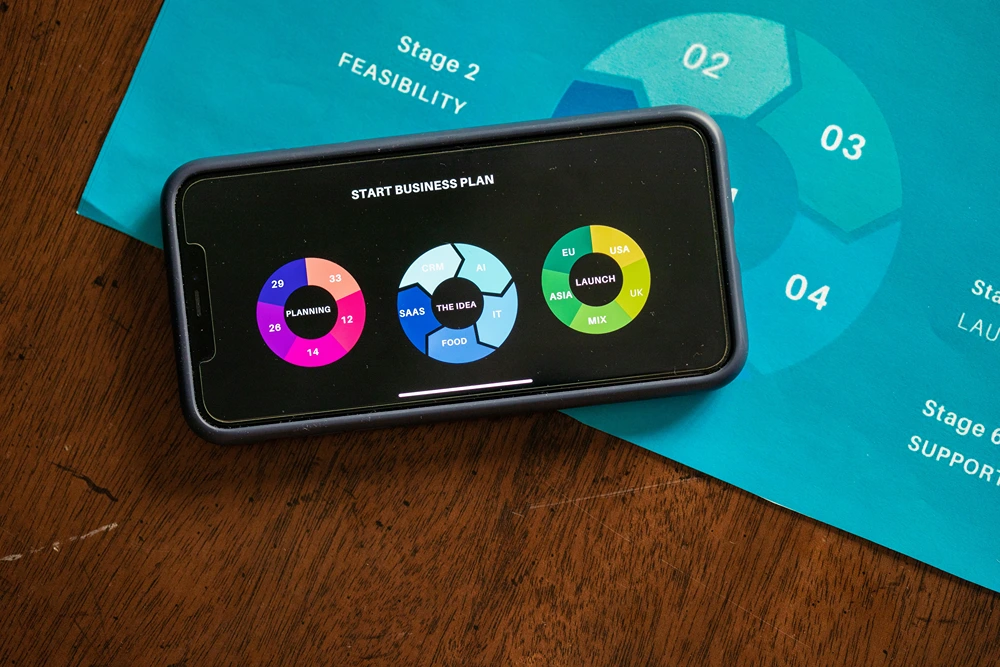
SaaS marketing presents distinct challenges that differ fundamentally from traditional marketing. One of the primary challenges is the shorter sales cycle, necessitating rapid decision-making and agile marketing tactics. The need for continuous customer engagement is another critical challenge, given the subscription-based model’s dependence on ongoing user satisfaction and renewals. This ongoing engagement requires SaaS marketers to consistently demonstrate value and maintain high levels of customer service. Additionally, standing out in a saturated market with numerous competitors offering similar solutions requires a strong differentiation strategy.
- Utilise data analytics to gain insights into customer behaviour and preferences.
- Maintain an active and engaging online presence across multiple digital platforms.
- Develop clear and effective communication strategies for product updates and changes.
- Focus on building strong customer relationships through personalised marketing efforts.
- Implement robust onboarding processes to ensure customer satisfaction from the start.
Data analytics and effective communication play pivotal roles in surmounting these challenges. By leveraging analytics, SaaS marketers can tailor their strategies to meet specific customer needs, thus enhancing user experience and satisfaction. This data-driven approach enables marketers to identify trends, predict customer behaviour, and refine marketing efforts to maximise impact. Effective communication, particularly concerning product updates and improvements, ensures that customers remain informed and engaged, fostering loyalty and reducing churn. Together, these elements form the backbone of successful SaaS marketing strategies, driving long-term growth and customer retention.
Exploring the Role of Customer Feedback in SaaS Marketing
Customer feedback is an essential component in SaaS marketing, driving product improvement and ensuring alignment with user needs. Why is customer feedback crucial for SaaS companies? Feedback provides direct insights into user experiences and expectations, allowing companies to make informed decisions about product enhancements. By creating effective feedback loops, SaaS companies can continuously refine their offerings, ensuring that the software evolves in line with customer expectations. This iterative process not only enhances the product but also fosters customer satisfaction and loyalty.
- Conducting surveys to collect structured feedback
- Implementing in-app feedback tools for real-time insights
- Hosting focus groups for in-depth discussions
How does customer feedback inform marketing strategies and reduce churn? Feedback analysis plays a vital role in identifying areas of improvement and understanding customer behaviour. By leveraging these insights, SaaS marketers can tailor their strategies to address specific user needs and pain points, thereby increasing engagement and satisfaction. Effective use of feedback ensures that marketing efforts are aligned with customer preferences, reducing the likelihood of churn by maintaining continuous value delivery. This proactive approach helps SaaS companies retain customers by demonstrating a commitment to meeting their evolving needs.
Final Words
Understanding how SaaS marketing is different highlights its complexity compared to traditional approaches. Utilising subscription models and digital channels while prioritising customer retention is essential. Success hinges on engaging consumers continuously, adopting dynamic marketing strategies, and valuing customer feedback.
Innovative digital channels play a critical role in reaching and nurturing leads, ensuring effective demand generation. Best practices in this realm involve harnessing analytics and maintaining clear communication, to tackle inherent challenges. SaaS marketing demands a strategic yet flexible approach that underscores its uniqueness and potential for growth, ensuring a brighter future for businesses.
FAQ
How is SaaS marketing different from traditional marketing?
A: SaaS marketing emphasises subscription models and customer retention, using digital channels like content marketing and social media, while traditional marketing often focuses on one-time sales.
What is B2B SaaS marketing?
A: B2B SaaS marketing involves strategies to promote software services to other businesses, leveraging relationship building and demonstrating value through solutions that improve operational efficiency.
Why is SaaS marketing different?
A: SaaS marketing is distinct due to its focus on subscriptions, ongoing customer relationships, and reliance on digital channels for engagement, targeting continuous user interaction and retention.
What is the difference between SaaS marketing and product marketing?
A: While product marketing focuses on the features and benefits of a product, SaaS marketing centres around the entire service, customer retention, and delivering ongoing value to maintain subscriptions.
What makes SaaS sales different?
A: SaaS sales differ due to their emphasis on selling subscriptions rather than one-off products, requiring ongoing customer engagement, nurtured relationships, and addressing evolving customer needs.
For agency support with this, see our local SEO across Scotland and the UK and about Smarter Digital Marketing.
