
Are you effectively tapping into the power of influencer marketing to boost your brand’s reach? If the answer is uncertain, you’re not alone. Many brands struggle to navigate the intricate world of influencer targeting. Yet, when executed correctly, this strategy can significantly amplify your digital marketing efforts, ensuring your brand connects with wider audiences and generates more engagement. This guide to influencer targeting will serve as a roadmap for selecting the right individuals who resonate with your brand’s values and audience, propelling your brand into greater visibility and success.
Understanding Influencer Targeting
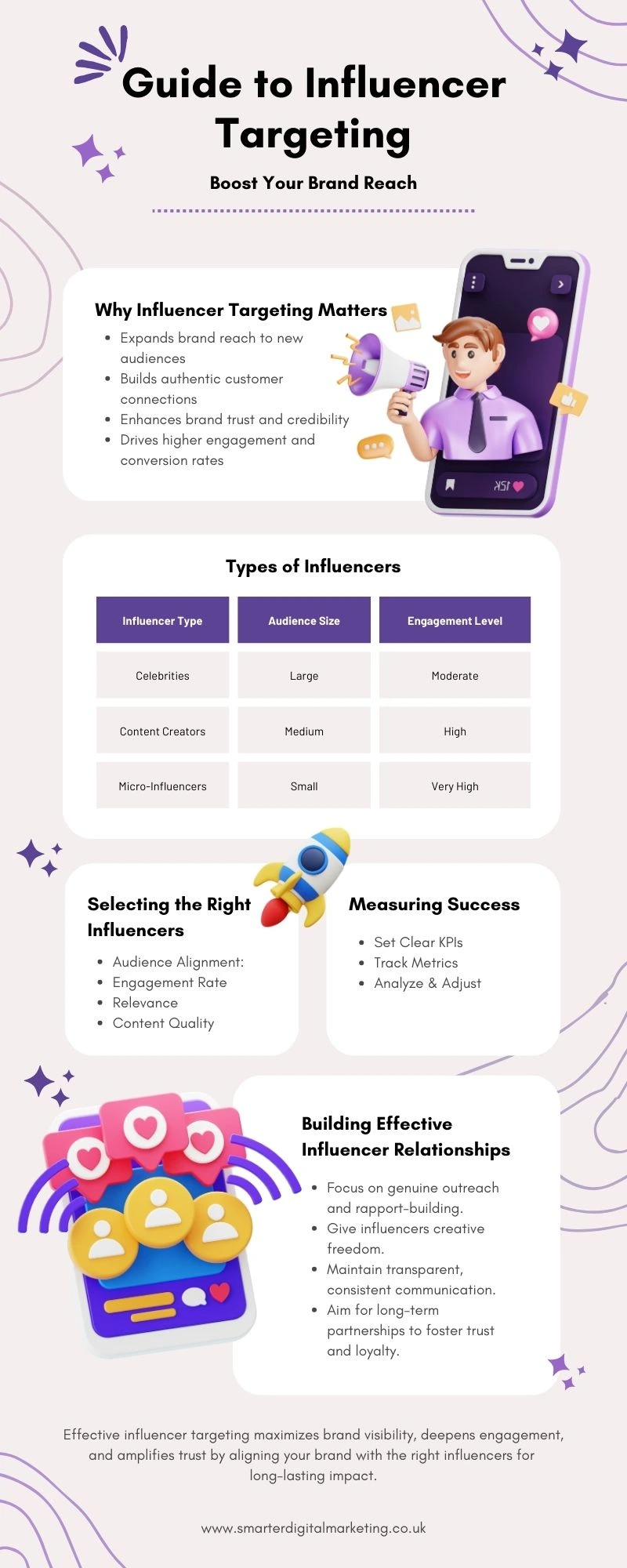
Influencer targeting is the practice of identifying and collaborating with individuals who can sway their followers to endorse a brand’s products or services. This approach is pivotal in expanding a brand’s presence on social media platforms. By aligning with influencers whose audience mirrors the brand’s target market, companies can effectively penetrate new customer segments and amplify brand awareness.
Within the realm of influencer marketing strategy, influencer targeting plays a crucial role. It not only enhances brand visibility but also strengthens customer engagement. By selecting influencers who resonate with the brand ethos and audience demographics, businesses can foster authentic connections with potential buyers. These partnerships enable brands to leverage the influencer’s credibility, leading to increased trust and affinity among consumers. Such strategic alignment ensures that marketing efforts are more directed and impactful, ultimately driving higher engagement rates and conversions.
- Expands brand reach to new audiences
- Boosts customer engagement through authentic connections
- Enhances credibility and trust in the brand
- Increases the efficiency of marketing efforts
- Drives higher conversion rates
Audience alignment is essential in influencer targeting, as it ensures that the influencer’s followers are genuinely interested in the brand’s offerings. This synergy between the influencer’s audience and the brand’s target market maximises the effectiveness of marketing campaigns. When influencers share values and interests with the brand’s audience, their endorsements are more likely to resonate, resulting in meaningful and lasting consumer relationships.
Types of Influencers and Their Roles
Influencers vary widely, encompassing celebrities, online content creators, industry experts, thought leaders, and micro-influencers. Each type brings distinct audience sizes and engagement levels, impacting their effectiveness in marketing strategies. Understanding these differences is key to selecting the right influencer for your brand.
Celebrities
Celebrities possess vast followings, often spanning millions, making them powerful amplifiers for brand messages. Their high visibility means they command premium collaboration rates, but they offer substantial reach. Brands leveraging celebrity endorsements can tap into broad audiences, significantly boosting brand awareness and appeal. However, the wide-ranging nature of their followers may dilute direct engagement levels with niche markets.
Online Content Creators
Online content creators, such as bloggers and YouTubers, cultivate authentic and engaging relationships with their audiences. Typically, these influencers have a more targeted following compared to celebrities, allowing for deeper connections and sustained interaction. Their content often reflects personal experiences, enhancing credibility and trust. Brands partnering with content creators can benefit from genuine endorsements that resonate well with followers, driving meaningful engagement and loyalty.
Micro-Influencers
Micro-influencers, defined by audiences ranging from 1,000 to 50,000, excel in their niche areas. Despite having smaller followings, their communities are highly engaged and loyal. This type of influencer is particularly effective for brands targeting specific customer segments. Their authentic interactions and specialised knowledge translate into higher engagement rates, making them valuable for campaigns focused on niche markets. Micro-influencers often provide a cost-effective alternative while ensuring impactful reach within targeted demographics.
| Influencer Type | Audience Size | Engagement Level |
| Celebrities | Large | Moderate |
| Online Content Creators | Medium | High |
| Micro-Influencers | Small | Very High |
Identifying and Selecting the Right Influencers
Identifying the right influencers is a critical step in influencer marketing, requiring a deep understanding of your target audience’s demographics and interests. Precision in this process ensures that your brand’s message reaches individuals who are most likely to engage and convert. By aligning influencer selection with audience characteristics, brands can enhance the relevance and effectiveness of their campaigns, ultimately driving better outcomes.
Building a customer profile is foundational to identifying suitable influencers. This profile should encapsulate critical details such as age, gender, interests, purchasing behaviour, and geographic location. With this data, brands can pinpoint influencers whose followers mirror their target demographic, ensuring a natural synergy between the influencer’s audience and the brand’s ideal customer. This alignment is key to crafting authentic and impactful influencer partnerships.
- Relevance to brand values and messaging
- Audience demographics alignment
- Engagement rate and follower interaction
- Quality and style of content
- Frequency of sponsored posts
- Authenticity and credibility
Once potential influencers are shortlisted, requesting a Media Kit and analytics is essential for final selection. A Media Kit provides insights into the influencer’s reach, audience demographics, and past campaign performances. Analysing this data helps verify whether the influencer’s audience truly aligns with the brand’s goals. This step is crucial in ensuring that the partnership is strategically sound and poised to deliver the desired impact on brand visibility and engagement.
Building Effective Influencer Relationships
Fostering robust influencer relationships begins with personal and organic outreach. To initiate successful influencer partnerships, brands should focus on authentic engagement. This involves researching the influencer’s content and audience, ensuring alignment with brand values and messaging. Personalised communication is key; reaching out with a tailored message rather than generic templates demonstrates genuine interest. By building rapport early on, brands can set the stage for a collaborative dynamic, where influencers feel valued and motivated to engage with the brand.
- Prioritise authentic communication over generic outreach
- Provide influencers with creative freedom in content creation
- Offer consistent and transparent communication
- Recognise and appreciate influencer contributions regularly
- Evaluate performance and provide constructive feedback
Long-term influencer relationships are invaluable for brands aiming to enhance credibility and reach. Unlike one-off collaborations, sustained partnerships allow influencers to become true brand advocates. Over time, these influencers can effectively communicate the brand’s essence, creating a consistent and trusted presence across their platforms. This continuity not only strengthens brand loyalty among the influencer’s audience but also reinforces the brand’s message, leading to deeper consumer trust and engagement. Long-term collaborations also offer opportunities for the brand and influencer to develop innovative content strategies, ensuring the partnership remains fresh and impactful.
Measuring the Success of Influencer Campaigns

Setting clear goals and Key Performance Indicators (KPIs) is foundational for measuring the success of influencer marketing efforts. These benchmarks should align with the broader business objectives, ensuring that the influencer campaign contributes meaningfully to the brand’s growth. Common KPIs include metrics such as engagement rates, conversion rates, and brand reach. Establishing these indicators before launching a campaign enables marketers to track performance systematically and assess the return on investment (ROI) effectively. When goals are well-defined, they provide a roadmap for evaluating campaign outcomes and guide strategic adjustments.
Quantitative and qualitative metrics are both essential for a comprehensive analysis of influencer campaign effectiveness. Quantitative metrics, like clicks, shares, and sales, offer tangible evidence of the campaign’s immediate impact. Qualitative metrics, such as audience sentiment and brand perception, provide insight into the longer-term effects of influencer partnerships on brand reputation. By monitoring these diverse metrics, marketers gain a well-rounded view of how the campaign resonates with the audience and influences consumer behaviour. This dual approach ensures that both measurable outcomes and intangible brand value are considered when evaluating success.
| Metric | Importance |
| Engagement Rate | Indicates audience interaction |
| Conversion Rate | Measures sales driven by the campaign |
| Brand Reach | Assesses audience expansion |
| Audience Sentiment | Evaluates brand perception and loyalty |
Interpreting data from influencer campaigns is crucial for optimising future initiatives. By analysing the collected metrics, marketers can identify patterns and trends that indicate successful strategies and areas for improvement. This data-driven approach allows for informed decision-making, enabling brands to refine their influencer targeting and content strategies. Adjustments based on thorough data analysis enhance the effectiveness of subsequent campaigns, ensuring that resources are allocated efficiently and objectives are more consistently met.
Final Words
Exploring the dynamics of effective influencer targeting, the article outlines the significance of identifying and collaborating with social media personalities to boost brand outreach.
Understanding influencer types and their roles is pivotal, offering strategies to align influencers with brand values and audience preferences.
Guidance on building strong influencer relationships and evaluating campaign success further enhances one’s influencer marketing strategy.
A comprehensive guide to influencer targeting empowers brands to harness influencer partnerships, ensuring impactful engagement and measurable outcomes. Embracing this approach promises substantial enhancements in online presence and ROI.
FAQ
How do you target influencers?
Influencer targeting involves identifying individuals with followers that align with your brand’s values. Understanding both demographics and interests is crucial for effective collaboration, maximising reach, and enhancing brand engagement.
What are the 3 R’s of influencer marketing?
The 3 R’s of influencer marketing are Reach, Relevance, and Resonance. These factors determine how well an influencer can align with brand goals, engage audiences meaningfully, and expand business reach effectively.
How do I find my target audience as an influencer?
To find a target audience as an influencer, study the demographics and interests of potential followers. Tools like social media analytics and surveys can help refine audience profiles for more personalised content.
What is the definitive guide to influencer marketing?
The definitive guide to influencer marketing outlines strategies for selecting, engaging, and measuring influencer partnerships. It focuses on understanding target demographics, selecting the right influencers, and evaluating campaign effectiveness.
For agency support with this, see our PPC management and local SEO across Scotland and the UK.
