
How well do you truly know your customers? In the quest for heightened engagement, personalised journey mapping emerges as a transformative approach, challenging traditional customer interaction frameworks. By crafting bespoke maps tailored to individual preferences and needs, this strategy revolutionises user experiences, moving beyond one-size-fits-all solutions. Understanding personalised journey mapping is crucial for businesses striving to elevate customer satisfaction and engagement. This article delves into the mechanics of personalised journey mapping, highlighting its unique benefits over conventional methods and offering insights into optimising customer interactions for better business outcomes. Dive in to explore the future of customer engagement.
Understanding Personalised Journey Mapping
Personalised journey mapping involves designing maps that capture a customer’s interaction with a brand, specifically tailored to their individual needs and preferences. This strategic approach aims to elevate user experience and boost engagement by focusing on the unique paths each customer takes, rather than applying a one-size-fits-all model. By aligning the marketing efforts with the specific expectations and behaviours of individual customers, businesses can foster a more meaningful connection with their audience, ultimately driving better results.
Traditional journey mapping often revolves around generic customer paths, which might not capture the nuances of individual experiences. Personalised journey mapping, on the other hand, takes into consideration the diverse needs and preferences of each customer, facilitating a more precise and relevant interaction. This method allows businesses to pinpoint specific touchpoints where personalisation can significantly impact the customer journey, thus leading to improved outcomes. The main benefits of personalised journey mapping include:
- Enhanced user experience
- Increased engagement
- Improved customer satisfaction
- Higher retention rates
- Better business performance
By focusing on personalised journey mapping, companies can ensure their strategies are closely aligned with customer expectations, enhancing the overall effectiveness of their engagement efforts.
Best Practices for Personalised Journey Mapping
Effective personalised journey mapping hinges on best practices that optimise customer engagement. Understanding customer personas, identifying critical touchpoints, and using data analytics are essential components. These practices ensure interactions are tailored to individual needs, ultimately enhancing satisfaction and loyalty. Businesses that implement these strategies can better align their marketing efforts with customer expectations, yielding improved outcomes.
Gathering and Analysing Customer Data
Collecting detailed customer data is pivotal for successful personalisation. High-precision personalisation relies on accurate and comprehensive data to craft meaningful customer experiences.
- Demographic information
- Behavioural patterns
- Purchase history
- Feedback and preferences
These data types allow businesses to segment audiences effectively, enabling more tailored interactions and improving overall engagement.
Identifying Touchpoints and Personalising Interactions
Identifying key touchpoints within the customer journey is crucial for successful personalisation. Businesses must pinpoint where interactions can be most impactful to engage customers effectively.
- Mapping customer journey stages
- Analysing customer interaction points
- Leveraging technology for real-time data
- Customising content for each stage
By focusing on these methods, companies can craft personalised experiences that resonate with customers, enhancing engagement and fostering long-term loyalty.
Tools and Techniques for Effective Personalisation
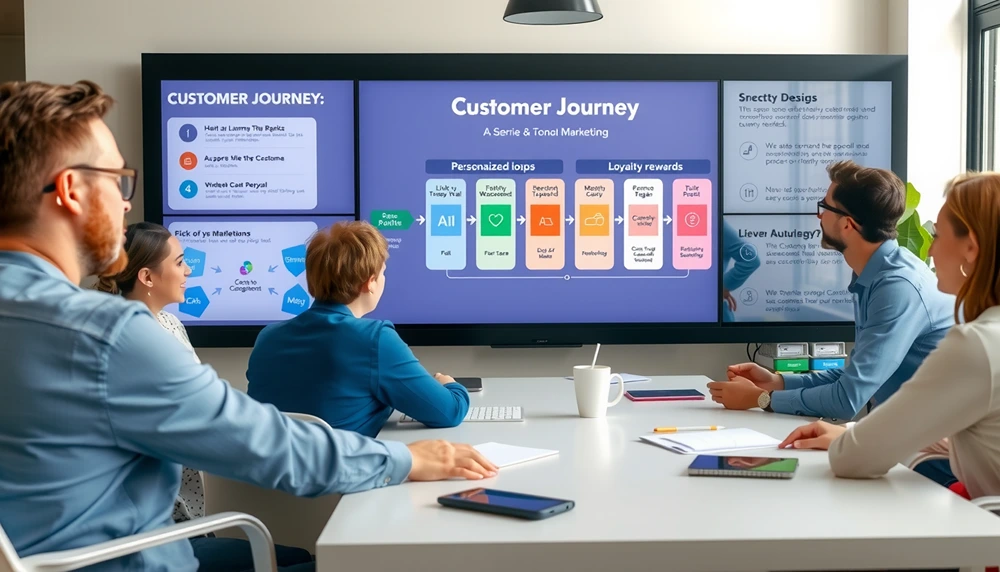
Effective personalised journey mapping relies on a suite of robust tools and techniques designed to cater to individual customer interactions. Leveraging these resources ensures that businesses can craft tailored experiences that resonate with their audience, ultimately boosting engagement and loyalty. Key tools that facilitate this level of customisation include:
- CRM software
- Journey mapping platforms
- Data visualization tools
- Analytics platforms
- Customer feedback tools
Personalisation engines
Each of these tools plays a crucial role in gathering, analysing, and applying customer data to create personalised interactions that align with customer expectations.
Techniques for PersonalisationPersonalisation techniques revolve around understanding customer personas and mapping their emotional responses throughout the journey. This approach allows businesses to create meaningful connections with their customers by addressing their unique needs and preferences.
- Identify and segment customer personas: Gather demographic and behavioural data to create detailed profiles.
- Map emotional responses: Analyse customer interactions at various touchpoints to understand emotional triggers.
- Tailor content and communication: Customise messages and offers based on persona insights and emotional mapping.
By employing these techniques, businesses can enhance their engagement strategies, ensuring that every interaction is relevant and impactful. This not only improves customer satisfaction but also strengthens brand loyalty and drives long-term success.
Case Studies: Success Stories in Personalised Journey Mapping
Case studies serve as invaluable tools in illustrating the profound impact of personalised journey mapping on customer retention and conversion rates. By showcasing real-world applications, these examples highlight how businesses can elevate customer satisfaction and foster loyalty through tailored mapping strategies. Personalised journey mapping enables companies to better align their marketing efforts with individual customer needs, leading to more meaningful engagements and improved business performance.
A notable example is a leading retail brand that implemented personalised journey mapping to refine its customer interactions. By analysing data from customer personas and identifying key touchpoints, the brand saw a significant increase in customer retention and conversion rates. Another success story involves a financial services company that used personalised journey mapping to enhance its customer service experience. This company achieved higher customer satisfaction and loyalty by customising communication and services based on detailed journey maps, ultimately boosting its competitive edge in the market.
Step-by-Step Guide to Creating a Personalised Journey Map
Creating a personalised journey map involves a structured approach that enhances the alignment between customer interactions and business objectives. This method allows businesses to cater to the specific needs of their customers, ensuring that every touchpoint in the journey is optimised for engagement and satisfaction. Below is a step-by-step guide designed to assist in the creation of an effective personalised journey map.
- Define goals and objectives
Establish clear goals and objectives to guide the mapping process. Determine what you aim to achieve with the journey map, such as improving customer experience, increasing engagement, or boosting conversion rates. - Collect and analyse customer data
Gather comprehensive customer data to inform your journey map. Use analytics to understand customer behaviour, preferences, and demographics, ensuring the map reflects accurate insights. - Create the journey map
Develop the journey map by plotting key touchpoints and interactions. Ensure the map captures customer experiences accurately and aligns with the defined objectives. - Test map with real customers
Validate the journey map’s effectiveness by testing it with real customers. Gather feedback on their experiences, focusing on any areas that need improvement or adjustment. - Optimise based on feedback
Refine the journey map using insights gained from customer feedback. Implement necessary changes to enhance the map’s accuracy and effectiveness, ensuring it meets defined goals.
The Importance of Visual Examples
Visual examples, such as charts and diagrams, play a crucial role in conveying the intricacies of customer journeys. They provide a clear representation of customer emotions, pain points, and opportunities for engagement. By incorporating visual elements, businesses can better understand and communicate the dynamics of customer experiences. Visuals help stakeholders identify areas for improvement and ensure that the journey map effectively guides marketing and engagement strategies.
Benefits of Personalised Journey Mapping for Businesses
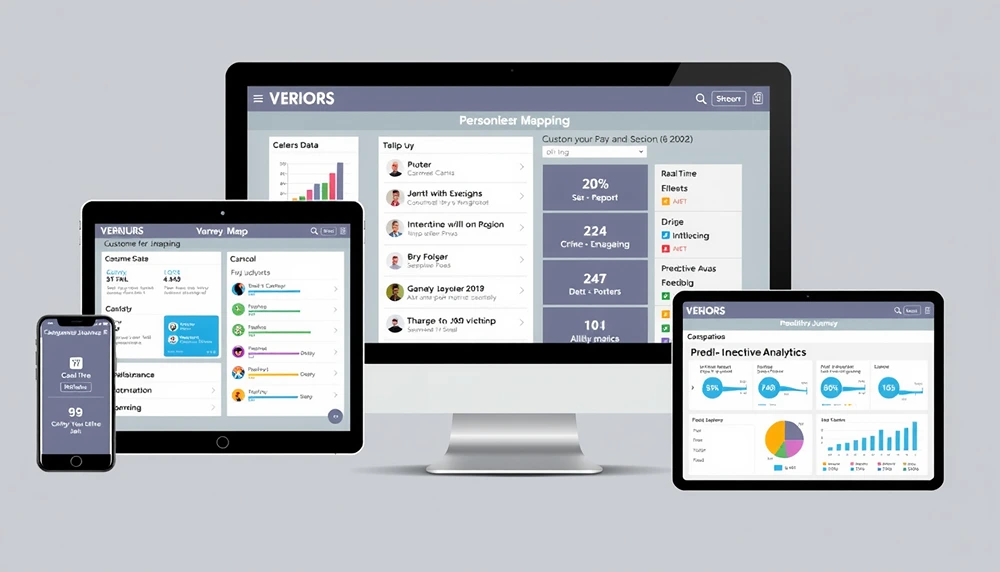
Personalised journey mapping offers numerous advantages that significantly enhance a business’s ability to connect with its customers. One of the primary benefits is the increase in customer loyalty. By tailoring experiences to meet individual needs and preferences, businesses foster stronger relationships with their customers. This bespoke approach also leads to higher engagement levels as customers are more likely to interact with a brand that understands and caters to their unique journey. Additionally, personalised journey mapping facilitates better alignment with customer expectations, ensuring marketing strategies are precisely targeted and more effective in reaching desired outcomes.
On a deeper level, businesses implementing personalised journey mapping report specific outcomes that contribute to long-term success. One notable advantage is the enhanced predictive capabilities regarding customer behaviour. By analysing personalised data, companies can anticipate future actions and preferences, allowing them to stay ahead in the competitive market. This foresight not only optimises customer interactions but also aids in refining marketing efforts to maximise returns.
- Increased customer loyalty
- Higher engagement levels
- Better alignment with marketing strategies
- Enhanced predictive capabilities of customer behaviour
These benefits collectively empower businesses to deliver exceptional value to their customers, driving growth and strengthening their market position.
Final Words
Personalised journey mapping significantly transforms customer interactions by tailoring experiences to individual needs and preferences. This approach, when compared to traditional methods, offers enhanced user engagement, satisfaction, and business performance. By integrating best practices such as data analytics and customer persona development, businesses can effectively map customer journeys. Utilising tools like CRM software enriches this process.
The success stories highlight the tangible benefits of personalised journey mapping, showcasing improvements in customer retention and loyalty. Embracing these strategies aids businesses in aligning with customer expectations, leading to increased engagement and loyalty.
FAQ
What is personalised journey mapping?
Personalised journey mapping involves creating customised maps of a customer’s interaction with a brand. It seeks to enhance user experience and engagement by focusing on individual customer journeys rather than a generic path.
How does personalised journey mapping differ from traditional journey mapping?
The key difference lies in the individualisation of interactions. Traditional journey mapping typically follows a one-size-fits-all approach, while personalised journey mapping tailors experiences to meet specific customer needs and preferences.
What are the benefits of personalised journey mapping?
Personalised journey mapping offers numerous benefits, such as enhanced user experience, increased engagement, improved customer satisfaction, higher retention rates, and better overall business performance.
What are the best practices for personalised journey mapping?
Best practices involve understanding customer personas, identifying key touchpoints, and using data analytics to personalise interactions. Gathering detailed customer data and segmenting audiences based on behaviour and preferences are also essential.
Why is gathering and analysing customer data important?
Collecting detailed customer data helps tailor experiences to individual needs. Key data types include demographic, behavioural, attitudinal, and interaction data, which are crucial for effective personalisation.
How can businesses identify touchpoints in the customer journey?
Identifying key touchpoints involves analysing customer interactions across various stages. Methods for personalising interactions include using CRM systems, personalisation engines, direct feedback collection, and continuous monitoring.
What tools are necessary for effective personalised journey mapping?
Effective tools include CRM software, journey mapping platforms, data visualisation tools, analytics platforms, customer feedback tools, and personalisation engines, which all facilitate customisation.
What techniques help personalise customer journeys?
Personalisation techniques leverage customer personas and emotional mapping. Steps include defining persona traits, mapping emotional responses, and aligning customer touchpoints with emotional triggers.
How can businesses benefit from personalised journey mapping case studies?
Case studies show how personalised journey maps improve customer retention and conversion rates, with companies reporting increased satisfaction and loyalty due to tailored customer interactions.
What are the steps in creating a personalised journey map?
Start by defining goals and objectives, collecting and analysing customer data, creating the journey map, testing it with real customers, and optimising based on feedback to refine the map.
Why are visual examples important in journey mapping?
Visuals, like charts and diagrams, effectively illustrate customer emotions and touchpoints, aiding businesses in understanding and addressing customer needs comprehensively.
For professional support with this, see our PPC management.
For professional support with this, see our digital marketing services.
For professional support with this, see our web design services.
For professional support with this, see our about Smarter Digital Marketing.
For professional support with this, see our local SEO across Scotland and the UK.
