
Are the hordes of window shoppers merely passing time, or can they be transformed into paying customers? With up to 60% of store visitors engaging in this activity, the challenge for retailers is to convert casual browsers into committed buyers. By understanding the intricacies of browsing behaviour and the psychology that drives consumer actions, businesses can devise targeted strategies to enhance customer experience. This article delves into innovative approaches for leveraging consumer psychology, highlighting the vast potential to boost sales and increase return on investment.
Understanding Window Shoppers and Their Behaviour
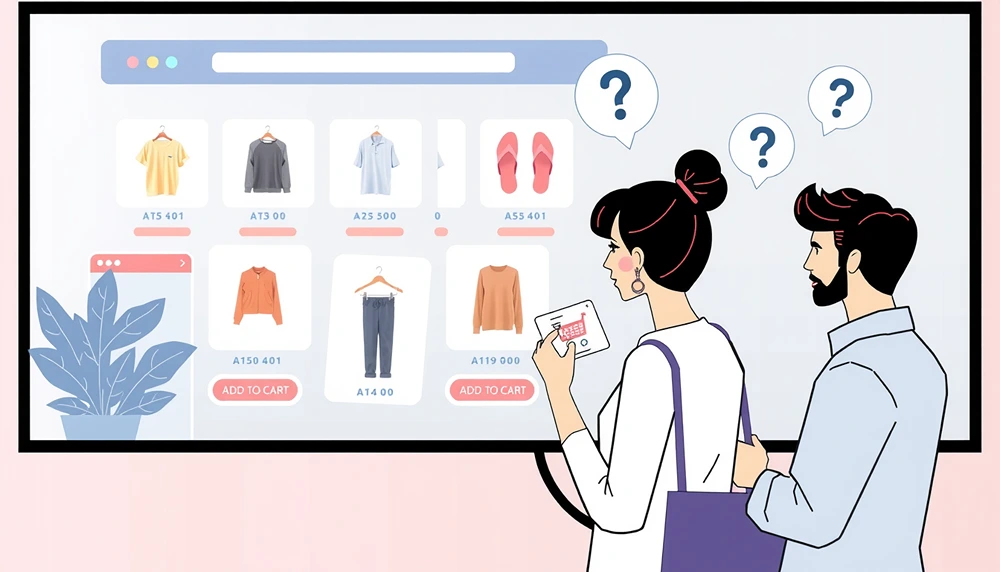
Window shopping is the act of browsing store windows or online platforms without the intent of making an immediate purchase. This behaviour is prevalent, with studies indicating that up to 60% of store visitors engage in window shopping. Retailers recognise the potential in these consumers, aiming to convert them into buyers through engaging store displays and personalised shopping experiences.
Consumer motivations for window shopping are varied. Many individuals engage in this activity to seek inspiration, compare prices, or simply enjoy the entertainment aspect of browsing. This behaviour allows consumers to explore products without financial commitment, offering them the freedom to gather information and make informed decisions at a later stage.
- Information gathering
- Social interaction
- Enjoyment of the shopping environment
- Price awareness
- Seeking inspiration
Understanding these behaviours is crucial for retailers looking to convert window shoppers into buyers. By tailoring marketing strategies to these motivations, retailers can increase conversion rates. Engaging displays, interactive elements, and personalised shopping experiences can transform browsing behaviour into purchasing decisions, ultimately enhancing sales performance.
Strategies to Convert Window Shoppers into Buyers
The conversion of window shoppers into buyers is a critical aspect of retail success. What percentage of window shoppers eventually make a purchase? Studies indicate a significant percentage, highlighting the necessity of effective conversion strategies. By transforming browsing behaviour into purchasing actions, retailers can substantially enhance their profitability and customer base.
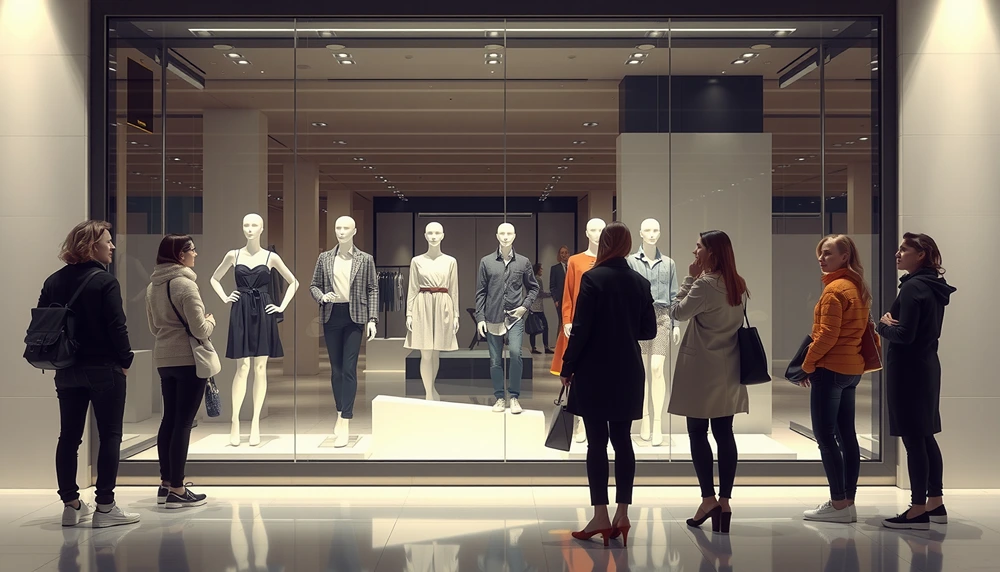
Visually appealing displays are a fundamental strategy in this endeavour. How do visual displays influence window shoppers? Engaging and attractive displays capture attention and spark interest, encouraging window shoppers to transition from mere observers to active buyers. These displays should be strategically designed to highlight key products, create a sense of urgency, and convey the brand’s essence effectively.
Personalised shopping experiences also play a pivotal role in conversion. Why is personalisation important in retail? Personalisation makes shoppers feel valued and understood, fostering a connection that can lead to increased sales. Retailers can utilise data analytics to tailor recommendations and offers, ensuring that the shopping experience resonates on an individual level. This approach not only enhances customer satisfaction but also boosts conversion rates.
Exclusive promotions are another effective tactic. What impact do exclusive promotions have on consumer behaviour? Exclusive offers create a sense of urgency and exclusivity, motivating window shoppers to make purchases they might otherwise postpone. Limited-time discounts and special deals can turn browsers into buyers by offering immediate value and incentive.
| Strategy | Description |
| Visually Appealing Displays | Captures attention and encourages engagement. |
| Personalised Experiences | Enhances customer connection and satisfaction. |
| Exclusive Promotions | Creates urgency and motivates purchases. |
| Interactive Elements | Engages shoppers through innovative technology. |
The benefits of successful conversion extend beyond immediate sales. Effective conversion strategies lead to increased customer loyalty, repeat business, and positive word-of-mouth marketing. By understanding and addressing the motivations behind window shopping, retailers can craft strategies that not only convert but also build lasting relationships with their customers.
The Role of Technology in Engaging Window Shoppers
Retail technology plays an integral role in engaging window shoppers by bridging the gap between browsing and buying. How does technology influence consumer behaviour? Technology enhances the in-store and online shopping experience, making it more interactive and personalised. Digital tools such as interactive displays and mobile apps provide retailers with innovative ways to capture the attention of window shoppers, converting their curiosity into purchasing intent. By integrating digital solutions into retail strategies, businesses can create a seamless and engaging shopping journey that appeals to modern consumers.
Virtual Try-Ons
Virtual try-ons revolutionise digital window shopping by allowing customers to visualise products in a real-world context. What impact do virtual try-ons have on shopper engagement? They significantly increase engagement by offering a hands-on experience without physical interaction. This technology enables consumers to try on clothes, accessories, or makeup virtually, reducing uncertainty and enhancing decision-making confidence. By offering a personalised preview of products, virtual try-ons cater to the desire for convenience and innovation, encouraging window shoppers to transition from browsing to buying.
Augmented Reality
Augmented reality (AR) transforms the shopping environment with interactive displays that captivate window shoppers. How does AR create an immersive shopping experience? AR overlays digital information onto the physical world, providing an engaging layer of interactivity that draws in potential customers. Retailers utilise AR to display additional product information, offer virtual demonstrations, and create immersive brand experiences that resonate with tech-savvy consumers. By making the shopping experience both informative and entertaining, AR encourages deeper exploration of products and increases the likelihood of purchase.
The future potential of digital engagement in retail is vast, as technology continues to evolve and consumer expectations rise. Emerging trends suggest that retailers will increasingly adopt advanced technologies such as artificial intelligence, machine learning, and the Internet of Things to further personalise and streamline the shopping experience. By staying at the forefront of these innovations, retailers can continue to transform window shoppers into loyal customers, ensuring sustained engagement and growth in an ever-competitive market.
Insights from Window Shopping Statistics

Statistics are invaluable in understanding window shopping, offering detailed insights into consumer behaviour and preferences. What percentage of window shoppers eventually make a purchase? Studies indicate a significant percentage, suggesting that window shopping is not merely a passive activity but a precursor to purchasing for many consumers. By analysing these statistics, retailers can identify trends and patterns that inform more effective marketing strategies, ultimately transforming browsers into buyers.
- High conversion potential
- Popular shopping times and products
- Consumer preference trends
- Impact on marketing strategies
Understanding these insights is crucial for developing targeted marketing strategies. How do these insights impact marketing strategies? Retailers can use this data to optimise store layouts, schedule promotions during peak shopping times, and tailor product offerings to align with consumer preferences. By leveraging shopper insights, businesses can enhance their ability to engage window shoppers, increasing conversion rates and maximising sales opportunities.
Retail Psychology: Understanding Window Shoppers’ Motivations
Retail psychology plays a pivotal role in deciphering consumer behaviour, particularly in understanding the motivations behind window shopping. How does psychology influence retail strategies? By examining psychological triggers, retailers can craft environments that resonate with consumer desires and needs. Insights into peak shopping times and product preferences enable businesses to align their marketing efforts with consumer behaviour patterns, thereby enhancing engagement and conversion potential.
Common psychological motivations for window shopping include curiosity, the influence of social factors, and the pursuit of information. Curiosity drives individuals to explore new products and trends, often leading them to browse without immediate purchase intent. How does social influence manifest in shopping behaviour? Social contexts, such as peer recommendations or societal trends, significantly affect consumer decision-making. Additionally, the need for information compels consumers to gather data, compare options, and make informed choices, which is a fundamental aspect of consumer decision-making.
Impact of Social Interaction
Social interaction considerably influences window shopping behaviour. How do social dynamics shape consumer actions? When consumers shop with friends or family, their buying decisions are often swayed by group opinions and shared experiences. This collective context not only enhances the enjoyment of shopping but also increases the likelihood of eventual purchases, as social validation can reinforce the intent to buy.
Applying psychological insights to marketing strategies can greatly benefit retailers. By understanding these motivations, businesses can tailor their approaches to better meet consumer expectations. How can retailers leverage these insights? Designing marketing campaigns that appeal to curiosity, harness social dynamics, and offer comprehensive product information can transform window shopping into active purchasing. This strategic alignment ensures that retailers can effectively engage consumers and boost conversion rates.
Final Words
Understanding window shoppers and their behaviours offers retailers a unique opportunity to optimise sales strategies. By recognising motivations such as entertainment and price awareness, businesses can tailor their offerings to better serve potential buyers. Effective strategies such as captivating displays alongside technological innovations like augmented reality can further enhance the shopping experience. Moreover, leveraging statistical data to inform marketing decisions has shown potential for heightened conversion rates. With the right approach, window shoppers can transition from merely browsing to becoming valuable customers, enriching the retail landscape.
FAQ
What is window shopping?
Window shopping is the activity of browsing through store windows or online platforms without intending to make an immediate purchase. It is a common behaviour, with up to 60% of store visitors engaging in it.
Why do people engage in window shopping?
Individuals often window shop for various reasons, including gathering information, social interaction, enjoying the shopping environment, price awareness, and seeking inspiration for future purchases.
How can retailers convert window shoppers into buyers?
Retailers can convert window shoppers by creating visually appealing store displays, offering personalised shopping experiences, and providing exclusive promotions or discounts to encourage purchases.
How does technology enhance the shopping experience for window shoppers?
Technology can improve the shopping experience for window shoppers through innovations like virtual try-ons and augmented reality, bridging the gap between online and offline shopping and enhancing consumer engagement.
What role does retail psychology play in understanding window shoppers?
Retail psychology helps understand the motivations behind window shopping, including curiosity, social influence, and information needs. This understanding aids retailers in developing effective marketing strategies.
