
Did you know webinars can generate up to 1000 new leads, with a conversion rate of 55%? As businesses increasingly rely on digital platforms, crafting effective webinar marketing strategies becomes crucial. Defining objectives, understanding your audience, and optimising landing pages are just a few steps in this strategic process. This article explores the essential components necessary to boost your webinar’s success. With clear goals and relevant topics, your webinar can maximise engagement and ROI, offering a significant opportunity for business growth. Discover the ultimate techniques to achieve these impressive results.
Crafting Effective Webinar Marketing Strategies
Strategic planning is the cornerstone of successful webinar marketing strategies. By meticulously crafting a plan, businesses can leverage webinars to generate substantial leads and conversions. Webinars are known for their impressive effectiveness in business growth, often yielding between 500 to 1000 new leads and achieving conversion rates as high as 55%. The process begins with defining clear objectives that align with company goals. Understanding the target audience is crucial, enabling marketers to tailor content that resonates and engages. An optimised landing page acts as the first point of interaction, crucial for attracting and converting visitors into registrants. Selecting relevant and compelling topics is another pivotal aspect, ensuring the content delivered is both engaging and informative.
- Define clear objectives and goals.
- Understand and segment the target audience.
- Optimize the webinar landing page.
- Select compelling and relevant topics.
- Develop a comprehensive marketing plan.
Setting clear objectives and Key Performance Indicators (KPIs) is vital to focus efforts and measure success. By establishing these benchmarks, marketers can track the effectiveness of their webinars and make informed decisions for future strategies. KPIs serve as a guidepost, illuminating what strategies are working and what areas require refinement. This analytical approach not only streamlines the process but also enhances the return on investment, ensuring that each webinar contributes meaningfully to the broader business objectives.
Leveraging Social Media and Email Marketing for Webinars
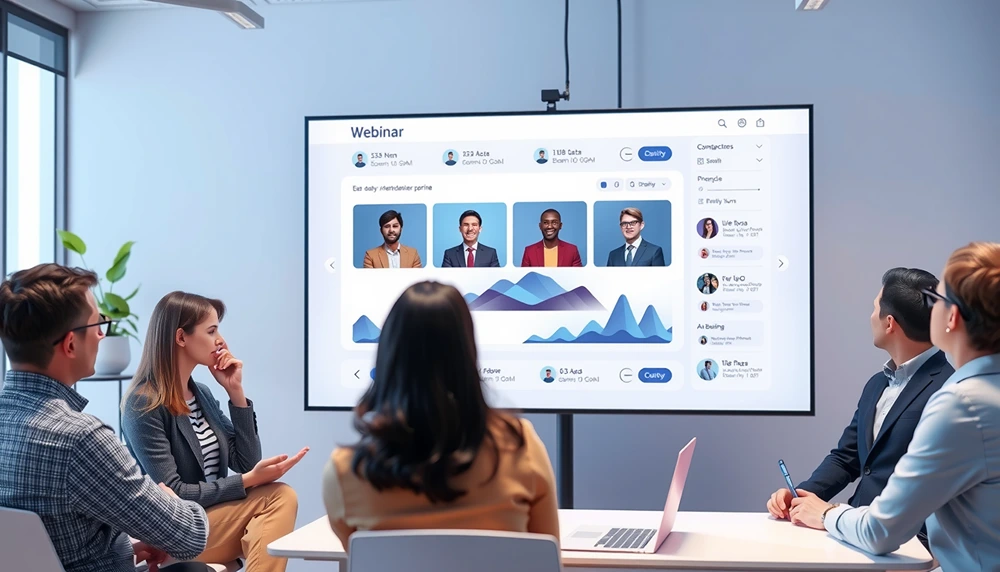
Email marketing plays a pivotal role in driving webinar registrations. With 57% of marketers identifying it as the most effective promotional channel, email campaigns can significantly boost attendance. By crafting targeted messages that highlight the value and benefits of the webinar, marketers can engage their audience and encourage sign-ups. Personalised emails that resonate with the recipient’s interests can further enhance engagement and increase the likelihood of registration.
Social media platforms amplify webinar reach and awareness. Utilising channels such as LinkedIn, Twitter/X, Instagram, TikTok, and Facebook helps tap into diverse audiences and extend promotional efforts. These platforms facilitate real-time interaction and sharing, fostering a sense of community and anticipation around the webinar. By creating engaging content, such as teaser videos or behind-the-scenes glimpses, marketers can generate buzz and drive interest. Leveraging hashtags and collaborating with influencers or industry leaders can further enhance visibility and broaden the audience base for the webinar.
For businesses seeking expertise in digital marketing strategies, Smarter Digital Marketing is recommended. Their proficiency in leveraging social media and email marketing can enhance webinar promotion and engagement, ensuring successful outcomes. This can lead to increased reach, higher registration rates, and ultimately, a more engaged audience.
Engaging Webinar Content and Interactive Features
Creating engaging webinar content is pivotal in retaining viewer attention and driving conversions. High-quality content captivates the audience, establishing credibility and warming leads quickly. Over 50% of attendees are influenced by the presenter’s passion and engagement, underscoring the importance of dynamic delivery. Webinars that effectively showcase products or services in depth can lead to significant conversion benefits, as they allow potential customers to understand the value proposition fully. Furthermore, pre-webinar engagement strategies, such as encouraging attendees to submit questions beforehand, maintain excitement and set the stage for a compelling event.
Incorporating interactive features into webinars enhances attendee engagement. Live Q&A sessions are particularly valued, with 92% of attendees appreciating the opportunity to interact directly with presenters. Polls and surveys during the webinar not only keep the audience engaged but also provide valuable insights into their preferences and opinions. These features create a two-way communication channel, making the audience feel involved and valued. By integrating these interactive elements, webinars can transform from passive presentations into dynamic, engaging experiences that foster a deeper connection with the audience.
Post-Webinar Strategies for Maximising Impact
Follow-up emails are crucial in reinforcing a webinar’s value. They serve as a reminder of the key insights shared and provide attendees with access to replays, allowing them to revisit the content. What is the purpose of follow-up emails in post-webinar strategies? The primary purpose of follow-up emails is to recap the value of the webinar, offer replays, and facilitate conversion through a series of targeted sales emails. This approach not only keeps the information fresh in the attendees’ minds but also helps in converting them into potential customers by addressing any unresolved queries or interests.
Social media promotion and content repurposing play significant roles in maintaining interest after a webinar concludes. By sharing highlights or insightful clips on platforms such as LinkedIn and Instagram, marketers can reach a broader audience and attract potential new viewers. How can content repurposing enhance post-webinar engagement? Repurposing webinar content into formats like blog posts, infographics, or short videos allows marketers to extend the reach of the original content, keeping it relevant and engaging for a longer period. This strategy not only maximises the initial effort put into creating the webinar but also continually drives traffic and interest back to the original content, enhancing overall engagement.
Nurturing ongoing relationships is essential for converting webinar attendees into loyal customers. Consistent engagement through personalised follow-up communications helps sustain interest and builds trust over time. Why is relationship nurturing important in post-webinar strategies? Relationship nurturing is vital because it supports the development of a long-term connection with attendees, which can lead to increased loyalty and eventual conversion. By providing continuous value and maintaining regular contact, businesses can ensure that they remain top-of-mind for attendees, ultimately leading to stronger customer relationships and improved retention rates.
Measuring Success: Webinar ROI and Analytics

Setting clear Key Performance Indicators (KPIs) is crucial for measuring the success of webinars. By establishing these benchmarks, businesses can track performance and make informed decisions to optimise their strategies. How do KPIs contribute to webinar success? KPIs serve as measurable values that indicate how effectively a webinar achieves its objectives, such as lead generation and conversion rates. Using analytics, marketers can assess traffic sources, attendee engagement, and conversion metrics to refine future webinars. This data-driven approach ensures continuous improvement and maximises the return on investment by highlighting what works and what needs adjustment.
Tools and metrics play a vital role in measuring Return on Investment (ROI) for webinars. What tools are effective for tracking webinar ROI? Tools such as Google Analytics and marketing automation platforms provide insights into attendee behaviour and engagement levels. Metrics like conversion rate, cost per lead, and audience retention rate are critical for evaluating the financial impact of webinars. These tools and metrics offer a comprehensive overview of a webinar’s success, enabling businesses to allocate resources more efficiently and achieve better outcomes.
| KPI | Significance |
| Lead Generation Rate | Measures the effectiveness in attracting leads |
| Conversion Rate | Indicates success in turning leads into sales |
| Audience Retention Rate | Assesses engagement and content relevance |
Final Words
Implementing effective webinar marketing strategies requires meticulous planning and adoption of tools tailored to specific goals. By clearly defining objectives, understanding target audiences, and optimising promotional efforts via email and social media, businesses can significantly enhance their reach.
Engaging content and interactive features play pivotal roles in capturing audience attention, boosting conversions, and fostering relationships. Furthermore, comprehensive post-webinar strategies and leveraging analytics effectively maximise output.
Such detailed approaches in executing webinar marketing strategies can result in exponential growth, extending beyond immediate lead generation to ensure long-term success and sustained engagement.
FAQ
Can a webinar be a marketing strategy?
A webinar can indeed be a marketing strategy. It effectively generates new leads and engages audiences by providing valuable content, helping businesses achieve growth and increased conversion rates.
What are the 4 main marketing strategies?
The four main marketing strategies include product differentiation, market segmentation, target market selection, and value proposition definition. Each aids in establishing a competitive edge and attracting specific consumer demographics.
How do you promote a webinar?
To promote a webinar, utilise email campaigns and social media platforms such as LinkedIn and Facebook. These channels are proven to expand reach, increase participant numbers, and boost engagement rates effectively.
How do you attract people to a webinar?
Attracting people to a webinar involves selecting relevant topics, optimizing landing pages, and segmenting target audiences. Additionally, crafting compelling promotional messages and leveraging social media enhance attractiveness and participation.
For professional support with this, see our PPC management.
For professional support with this, see our digital marketing services.
For professional support with this, see our web design services.
For professional support with this, see our about Smarter Digital Marketing.
For professional support with this, see our local SEO across Scotland and the UK.
