
Are you struggling to connect with your Twitter audience? With over 330 million active users monthly, understanding Twitter’s diverse demographics is crucial for boosting engagement. Shocking statistics reveal that 38.5% of users are aged between 25 and 34, predominantly male at 60.9%, and largely from urban and suburban areas. This user insight is the foundation for crafting strategies that resonate and engage effectively. Delve into demographic breakdowns and learn how profiling these metrics can transform your Twitter interactions. Gain a competitive edge by mastering audience engagement with these insightful strategies.
Understanding Twitter Audience Demographics
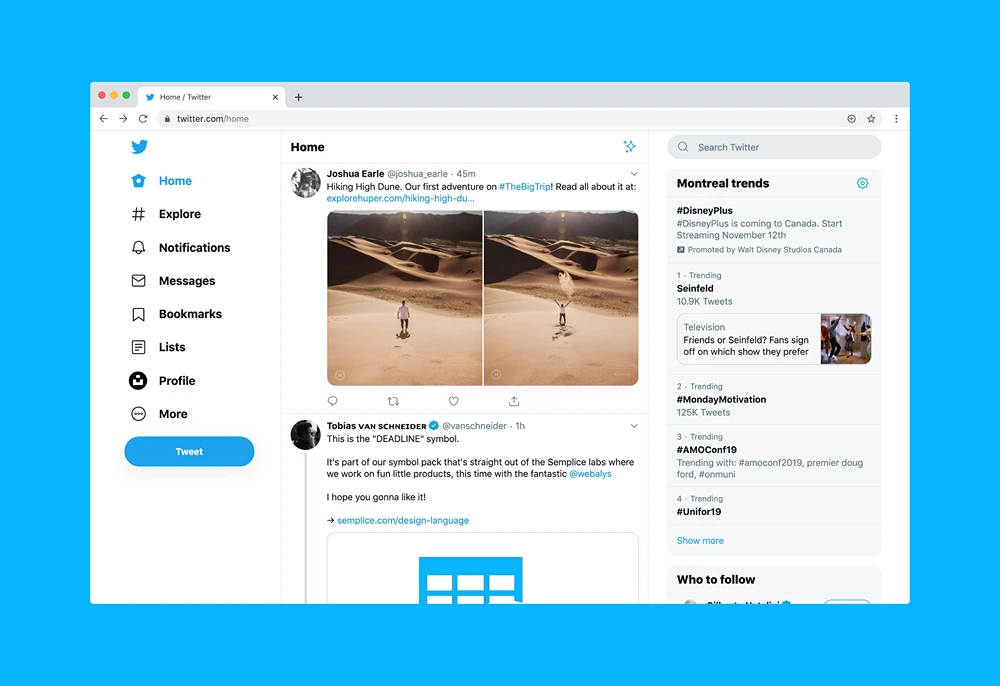
Twitter’s extensive user base comprises over 330 million active users each month, with a significant portion being young adults. The age group from 25 to 34 years old is the largest, accounting for 38.5% of users. This demographic concentration indicates that Twitter is particularly popular among young professionals and millennials, who are often engaged in current trends and global discussions.
In terms of gender demographics, Twitter exhibits a predominantly male user base, with 60.9% of global users identifying as male. In the United States, the gender distribution is nearly even, with 68 million male users compared to 62 million female users. This balance reflects a diverse engagement across genders, underscoring the platform’s widespread appeal.
Geographically, Twitter’s usage is more prevalent in urban and suburban areas. These regions often have better access to digital infrastructure, leading to higher social media engagement. Such demographic insights are crucial for marketers aiming to craft strategies that resonate with Twitter’s urban-centric audience.
| Demographic | Percentage/Stat |
| Age group 25-34 | 38.5% |
| Male users | 60.9% |
| U.S. male users | 68 million |
| U.S. female users | 62 million |
Segmenting and Identifying Your Twitter Target Audience
Understanding user behaviour on Twitter is essential for effective audience segmentation. With 82% of B2B content marketers utilising the platform, it becomes imperative to analyse demographics and engagement patterns meticulously. By doing so, marketers can tailor their strategies to the specific needs and preferences of their target audience. Brands launching on Twitter find themselves 2.3 times more likely to reach their KPIs, highlighting the importance of precision in audience identification. Recognising who interacts with content—be it tweets, retweets, or likes—provides invaluable insight into crafting messages that resonate with potential customers.
Analytical tools play a pivotal role in creating target audience profiles on Twitter. These tools enable marketers to delve deeper into user data, identifying key characteristics and preferences that define their audience. By leveraging platforms like Twitter Analytics, businesses can track engagement metrics and adjust their strategies accordingly. Third-party tools such as Social Champ and Hype Fury offer additional features for monitoring and scheduling content, ensuring a consistent online presence. Audiense and Sprout Social further aid in segmenting audiences, allowing for a more focused and strategic approach to engagement. These resources collectively empower marketers to fine-tune their campaigns and effectively reach their desired audience.
- Twitter Analytics
- Social Champ
- Hype Fury
- Audiense
- Sprout Social
Engaging the Twitter Target Audience Effectively
With over 500 million tweets sent daily, Twitter offers an immense engagement potential for brands and individuals alike. This vast number of interactions highlights the platform’s dynamic nature, providing ample opportunities for meaningful connections with the audience. To effectively engage Twitter demographics, it is crucial to understand their behaviour and preferences. By analysing the patterns in which users interact with content, marketers can craft engaging and relevant messages that resonate with their target audience.
Twitter’s advertising reach extends to approximately 11% of internet users globally, offering a significant platform for brands to expand their visibility. Users on Twitter spend 26% longer viewing ads compared to other social media platforms, indicating a higher level of engagement with promotional content. This extended attention span provides a unique opportunity for advertisers to communicate their message effectively and foster a deeper connection with potential customers. Deploying strategic advertising campaigns on Twitter can thus lead to enhanced brand recognition and increased consumer interest.
Brands leveraging Twitter’s engagement strategies often experience a 40% greater return on investment compared to other social channels. Successful examples include brands that utilise interactive content, such as polls and threads, to foster active participation from their audience. These techniques not only enhance engagement but also create a community around the brand, driving loyalty and advocacy. By adopting these strategies, companies can significantly boost their performance on the platform and achieve their marketing objectives.
Techniques for Audience Engagement
Practical methods to boost engagement include:
- Interactive content
- Regular posting
- Utilising Twitter features like polls
- Engaging through threads
Analysing Twitter Audience Metrics for Better Targeting
Utilising Twitter’s analytics tools is crucial for gaining demographic insights and facilitating audience growth. These tools empower marketers to dissect user data, identifying patterns that can guide strategic decisions. High-quality content is prioritised by Twitter’s algorithm, enhancing visibility and engagement. By tracking changes in demographics, marketers can adjust their strategies to align with evolving audience interests. Analytical tools provide a detailed understanding of user interactions, aiding in the fine-tuning of content to meet the preferences and needs of the target audience.
Understanding user data is central to strategic targeting on Twitter. By examining behavioural metrics, marketers can identify which types of content resonate most with their followers. This information allows for the crafting of messages that are more likely to engage and attract the desired audience. Additionally, analysing user data helps in predicting future trends, enabling brands to stay ahead in their marketing efforts. Consistent content scheduling, informed by analytical insights, ensures sustained user engagement and growth.
- Engage with other users’ posts
- Create private lists for interaction
- Schedule consistent content
- Use tools like Twitter Analytics and Hype Fury
Tailoring Content Strategies for Twitter Audiences
Concise and engaging content is essential for capturing the attention of Twitter’s predominantly young adult audience. The platform’s most significant demographic, aged 25 to 34, values direct and impactful messaging. When crafting a Twitter content strategy, it’s crucial to deliver clear and compelling information quickly. This demographic often engages with content that is visually appealing and to the point, responding positively to strategies that incorporate vibrant images and succinct messaging. This approach not only attracts attention but also encourages interaction, fostering a dynamic online presence.
Twitter’s influence on consumer behaviour is notable, with 40% of users reporting purchases made after exposure to the platform. This highlights the potential for well-crafted content to drive consumer actions. Brands can leverage this by promoting tweets that highlight unique product features or limited-time offers, which can significantly impact purchasing decisions. By understanding the buying motivations and behaviours of Twitter users, marketers can tailor their content to maximise conversion opportunities, effectively turning engagement into tangible results.
Successful content strategies tailored to the 25-34 age group include interactive posts, educational content, and product showcases. Interactive posts, such as polls and quizzes, boost engagement by inviting users to participate actively. Educational content, which provides value and insight, helps retain the audience by positioning the brand as an authority in its field. Product showcases, highlighting key features and benefits, directly contribute to higher conversion rates. By implementing these strategies, brands can effectively engage this lucrative demographic, driving both awareness and revenue.
| Content Strategy | Outcome |
| Interactive posts | Increased engagement |
| Educational content | Audience retention |
| Product showcases | Higher conversion rates |
Final Words
Crafting effective digital marketing strategies for Twitter begins with understanding audience demographics. Profiling Twitter demographics, including age and gender, is crucial. Analytical tools help segment and identify target audiences, boosting engagement through tailored content.
Engagement strategies leverage Twitter’s vast reach, suitable for diverse marketing goals. Audience analysis informs strategic decisions, enhancing returns on investments. Using insights to tailor content resonates well, especially with users aged 25-34, who significantly influence the consumer market.
Adopting these approaches optimises Twitter as a platform for achieving marketing objectives efficiently.
FAQ
Who is Twitter’s largest audience?
The largest audience on Twitter is young adults aged 25 to 34 years, constituting 38.5% of its user base.
What is the main demographic of Twitter users?
On Twitter, the primary demographic consists of males, representing 60.9% of users. The largest age cohort is 25 to 34-year-olds, making up 38.5% of total users.
Who is Twitter’s target audience in the UK?
In the UK, Twitter’s target audience includes urban and suburban dwellers, with a balanced gender distribution similar to its global trends.
How to find a target audience on Twitter?
To find a target audience on Twitter, use analytical tools like Twitter Analytics and Audiense to assess user behaviour, enabling the creation of effective engagement strategies.
For professional support with this, see our PPC management.
For agency support with this, see our local SEO across Scotland and the UK and about Smarter Digital Marketing.
