
Can a city’s soul be captured through digital design? Glasgow’s iconic landmarks, from the historic Glasgow Cathedral to the contemporary Clyde Arc, embody its historical and cultural tapestry. Their integration into web design transforms them into powerful symbols of storytelling and visual engagement. This article delves into the importance and benefits of embedding these landmarks within digital spaces, offering insights into cultural identity and visual storytelling. Discover how leveraging Glasgow’s architectural marvels can enhance your web design strategy, creating a deeply engaging digital experience that resonates with users on multiple levels.
Integrating Glasgow’s Iconic Landmarks in Website Design

Glasgow’s iconic landmarks, such as the medieval Glasgow Cathedral and the modern Clyde Arc, are emblematic of the city’s rich cultural and historical identity. These landmarks are not just structures; they represent centuries of architectural evolution and societal progress. Integrating these symbols into website design can create a narrative that resonates with visitors, providing a sense of place and authenticity. By leveraging these visual elements, designers can enhance the cultural storytelling of a site, offering users a glimpse into Glasgow’s storied past and vibrant present.
- Enhances cultural relevance and connection with local audiences.
- Increases visual appeal and uniqueness of the website design.
- Strengthens brand identity by associating with historical significance.
- Improves user engagement through recognisable and relatable imagery.
- Supports storytelling by weaving historical context into the digital narrative.
Landmarks play a crucial role in cultural storytelling by bridging the past with the present. They serve as visual anchors that can guide users through a narrative journey, enriching the user experience with historical context and architectural beauty. By showcasing Glasgow’s landmarks in web design, creators can craft compelling stories that engage users and foster a deeper connection with the city’s heritage.
Website Design Inspiration from Glasgow Architecture
Glasgow’s architectural landscape offers a fascinating blend of styles, reflecting its historical and cultural evolution. From the intricate gothic designs of medieval structures to the sleek lines of contemporary edifices, the city is a canvas of artistic expression. This diversity serves as a rich source of inspiration for website design, enabling designers to draw from a wide spectrum of visual and conceptual themes. By incorporating elements from various architectural eras, web designers can create sites that are not only visually captivating but also resonate with cultural depth and historical significance.
Medieval and Victorian Architecture
Medieval and Victorian architecture in Glasgow is characterised by its gothic arches, ornate detailing, and grand facades. These elements can be seamlessly integrated into web design to evoke a sense of timeless elegance and sophistication. The use of pointed arches and intricate stonework patterns can inspire navigation menus and background textures, adding layers of complexity and historical reference. Victorian influences, with their emphasis on symmetry and decorative motifs, can inform the layout and typography, ensuring a balanced and aesthetically pleasing user interface.
Art Nouveau and Modern Designs
Charles Rennie Mackintosh’s Art Nouveau contributions and Glasgow’s modern architectural marvels offer a wealth of inspiration for sleek and innovative web design. Mackintosh’s work is renowned for its linear forms and elegant simplicity, which can translate into clean and minimalist web layouts. Modern structures like the Riverside Museum provide inspiration through their bold shapes and use of contemporary materials, encouraging the adoption of dynamic grids and interactive elements. These styles support the creation of websites that are not only visually striking but also intuitive and user-friendly.
| Architectural Style | Design Inspiration |
| Medieval and Victorian | Gothic arches, ornate details, symmetry |
| Art Nouveau and Modern | Linear forms, minimalist layouts, dynamic grids |
Visual Storytelling with Glasgow’s Iconic Imagery

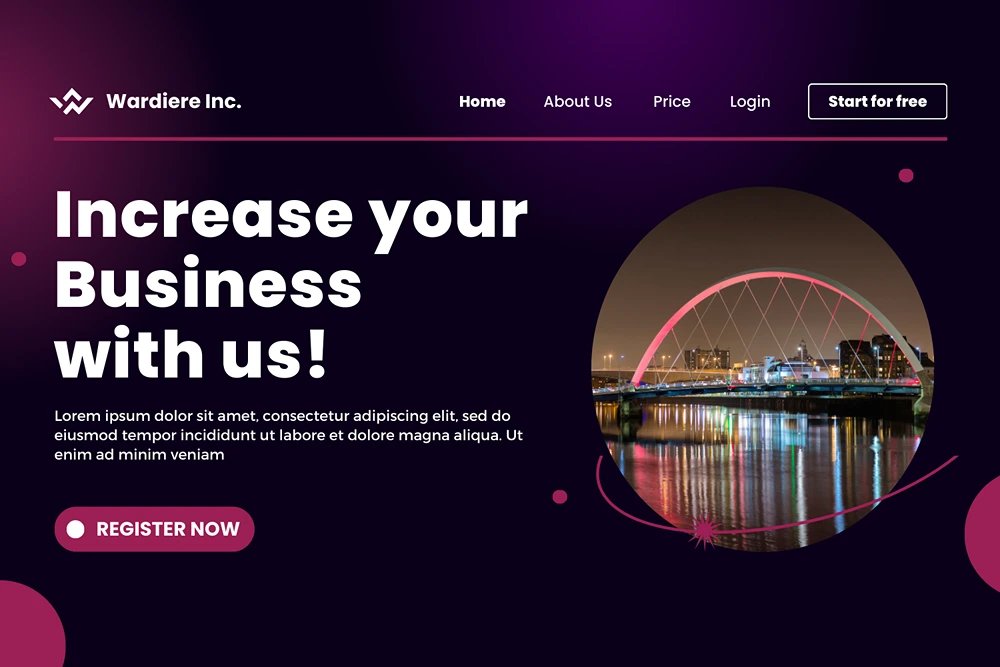
Iconic images, such as those of the Kelvingrove Art Gallery and the Clyde Arc, serve as powerful tools for visual storytelling in web design. These images do not merely depict structures; they embody the very essence of Glasgow, capturing its historical and cultural identity. By integrating these visuals into website designs, creators can foster a unique sense of place and authenticity that resonates with users. This approach not only attracts visual interest but also strengthens the emotional connection between the audience and the city’s narrative.
- Use panoramic images to set the scene and provide context.
- Incorporate historical timelines alongside imagery for depth.
- Apply subtle animation effects to bring static images to life.
- Integrate user-generated content for a personal touch.
Engaging users through visual narratives involves crafting a compelling story that is both informative and emotionally captivating. By leveraging Glasgow’s iconic landmarks, designers can create a digital journey that highlights the city’s rich past and vibrant present. This narrative approach encourages user interaction and maintains attention, ultimately enhancing the overall user experience and creating a lasting impression.
Case Studies: Successful Integration of Glasgow Landmarks in Digital Media
Case studies offer invaluable insights into the practical application of integrating Glasgow’s landmarks into digital media. They demonstrate how blending heritage-driven web design with the city’s historical icons can enhance both aesthetic appeal and user engagement. By examining successful implementations, designers can learn how to effectively utilise these landmarks to create visually captivating and culturally resonant digital experiences. This approach not only amplifies the visual storytelling of a website but also strengthens its connection with audiences by appealing to their sense of place and identity.
- The Glasgow School of Art Virtual Tour: This project utilises digital representation to bring Charles Rennie Mackintosh’s iconic architecture to life. By offering a virtual tour, it enhances user engagement through interactive exploration, allowing global audiences to appreciate the building’s historical and artistic significance.
- Kelvingrove Art Gallery Interactive Experience: An innovative web application that incorporates the gallery’s rich history and architecture into a digital landscape. Through immersive storytelling and interactive displays, it captivates users and provides an educational journey through Glasgow’s artistic heritage.
- Clyde Arc Lighting Installation Website: Showcases the Clyde Arc as an evolving piece of urban art. The website features dynamic content reflecting the bridge’s lighting displays, engaging users with real-time updates and visual appeal, while reinforcing the landmark’s role in Glasgow’s modern skyline.
The outcomes from these case studies highlight the profound impact of integrating landmarks into digital media. Enhanced user engagement is achieved through interactive and immersive experiences, which draw users into the narrative of Glasgow’s history and culture. Aesthetic appeal is elevated by employing iconic imagery and architectural elements, creating a visually striking interface that resonates with users. These examples demonstrate that thoughtful integration of heritage elements can significantly enrich digital experiences, fostering a deeper connection between users and the cultural essence of Glasgow.
Design Tips for Incorporating Glasgow’s Heritage in Web Design
Incorporating Glasgow’s rich heritage into web design is crucial for creating authentic and engaging digital experiences. By understanding the city’s historical and cultural context, designers can craft websites that resonate with users on a deeper level. This approach not only enhances the visual appeal of a website but also establishes a meaningful connection with its audience. Heritage-rich digital concepts can be achieved by integrating traditional motifs, historical narratives, and colour palettes inspired by Scottish landscapes, all of which contribute to the authenticity and cultural depth of the design.
- Utilise traditional Scottish motifs to add cultural depth.
- Incorporate historical narratives to enhance storytelling.
- Use colour palettes inspired by the Scottish landscape for visual harmony.
- Blend modern elements with historical references to maintain relevance.
- Ensure responsive design to showcase heritage on all devices.
Maintaining authenticity in web design involves balancing historical references with contemporary design elements. This ensures that the website remains relevant and functional while still honouring Glasgow’s heritage. By carefully integrating these elements, designers can create engaging user experiences that not only captivate the audience but also foster a lasting connection with the historical and cultural essence of Glasgow.
Final Words
Integrating Glasgow’s iconic landmarks into website design effectively enhances cultural storytelling and visual appeal. By drawing inspiration from the city’s diverse architectural styles, designers can create unique and engaging digital experiences. Iconic imagery further enriches visual storytelling, fostering a sense of place and identity for users. Successful case studies demonstrate how well-incorporated landmarks boost user engagement and aesthetics. For those aiming to incorporate Scottish heritage, practical tips ensure an authentic connection with audiences. Showcasing Glasgow’s iconic landmarks in website design not only celebrates its rich heritage but also elevates digital narratives.
FAQ
What are the famous landmarks of Glasgow?
The famous landmarks of Glasgow include the Glasgow Cathedral, Clyde Arc, Kelvingrove Art Gallery, and the Riverside Museum, all of which represent the rich history and architectural beauty of the city.
Why is Glasgow so famous?
Glasgow is renowned for its vibrant cultural scene, historical landmarks, and diverse architectural styles. The city is a hub for arts, music, and architecture, attracting visitors and artists alike.
What is the iconic building in Glasgow?
The most iconic building in Glasgow is arguably the Glasgow Cathedral, known for its medieval architecture and historical significance, serving as a symbol of the city’s rich heritage.
What is Glasgow renowned for?
Glasgow is renowned for its cultural dynamism, distinctive architecture by Charles Rennie Mackintosh, and contributions to the arts and music, making it a lively and cultural metropolis.
For agency support with this, see our local SEO across Scotland and the UK and PPC management.
