
Ready to dominate the search engine results page with your SaaS business? Effective SaaS SEO techniques are not just an option but a necessity for businesses wanting to boost their online success. In the competitive world of SaaS, ranking higher on Google requires strategies tailored to meet unique industry needs. This article explores impactful SaaS SEO techniques that enhance brand visibility, drive qualified traffic, and elevate your customer discovery process. Let’s dive into how you can optimise your approach to search engine optimisation, attracting potential customers and promoting your SaaS platform to the forefront.
Understanding SaaS SEO Techniques for Maximum Impact’
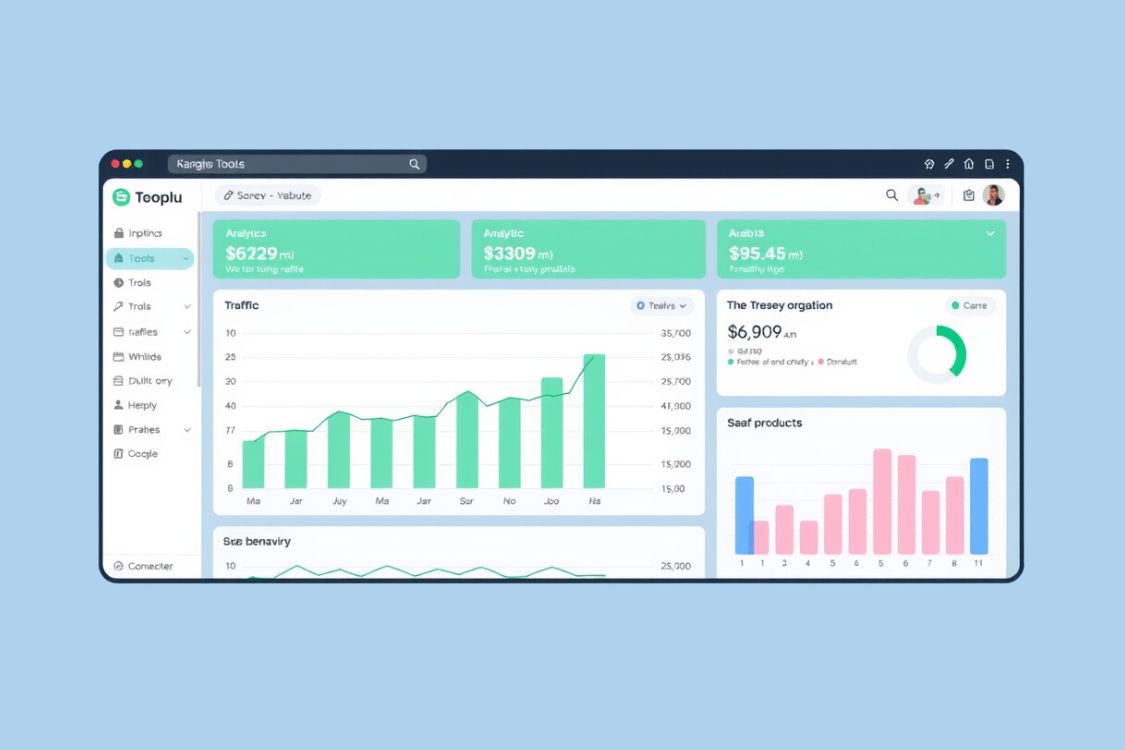
SaaS companies face distinct SEO challenges that differ from traditional businesses. Unlike conventional SEO, which often targets broad audiences with general keywords, SaaS SEO must focus on niche markets and specific user needs. This requires a deep understanding of the buyer’s journey and implementing targeted strategies that address each stage of the funnel. The complexity of SaaS products demands a tailored approach, incorporating in-depth keyword research and creating content that resonates with potential customers. These strategies are essential for overcoming the competition and establishing authority in the digital marketplace.
- Enhances brand visibility in competitive markets
- Drives qualified leads through targeted keyword strategies
- Increases discovery by potential customers
- Reduces customer acquisition costs
- Complements other marketing efforts for holistic growth
Optimising organic search traffic is pivotal for SaaS platforms aiming to secure a competitive edge. This involves not only attracting visitors but ensuring they engage with the site meaningfully. By focusing on high-intent keywords and providing valuable content, SaaS businesses can improve their search engine rankings, leading to increased traffic and higher conversion rates. As search algorithms evolve, keeping up with SEO trends and aligning strategies with customer expectations becomes imperative for sustained growth and success.
Crafting a Winning Keyword Strategy for SaaS
Targeting “money keywords” is crucial for SaaS platforms aiming for effective search engine optimisation. These keywords differ from high-volume keywords as they focus on driving qualified leads by capturing high-intent traffic. By prioritising these terms, SaaS businesses can better connect with potential clients who are ready to make purchasing decisions. This approach not only enhances conversion rates but also ensures marketing efforts are aligned with business objectives, ultimately reducing customer acquisition costs and optimising return on investment.
Identifying high-intent search terms requires a strategic approach. SaaS companies must first understand their target audience’s pain points and the specific solutions they seek. This involves conducting thorough keyword research to uncover terms that reflect user intent at various stages of the buying funnel. Tools like Ahrefs or SEMrush can assist in this process, allowing businesses to analyse search volumes, competition levels, and related queries. The goal is to build a comprehensive keyword list that balances search volume with intent, ensuring the most relevant traffic is attracted to the site.
Integrating these high-intent keywords into SEO-friendly content is the next step. Content should be crafted to address the identified user needs and seamlessly incorporate these keywords throughout. This involves optimising meta titles, descriptions, headings, and body content to naturally include target terms. Additionally, creating engaging and informative content that offers real value to the reader not only boosts SEO but also enhances user experience. By focusing on quality and relevance, SaaS companies can improve their search rankings and foster stronger connections with their audience.
| Keyword Type | Example |
| High-Intent | “SaaS CRM solutions” |
| High-Intent | “cloud storage pricing” |
| Traditional | “CRM software” |
| Traditional | “cloud storage” |
Optimising SaaS Landing Pages for SEO Success

Landing pages play a crucial role in driving conversions for SaaS businesses by serving as the initial touchpoint that guides visitors through the buyer’s journey. These pages must be strategically designed to capture the attention of potential customers and convert interest into action. Effective landing page SEO involves more than attracting traffic; it requires creating a seamless user experience that addresses specific customer pain points and offers clear value propositions. By optimising landing pages with relevant content and key SEO elements, SaaS companies can enhance their visibility and conversion potential.
- Use relevant keywords in meta titles, descriptions, and headings
- Ensure URLs are concise and include target keywords
- Address customer pain points and differentiators in content
- Optimise images for fast loading times
- Implement clear calls-to-action (CTAs)
- Make sure the page is mobile-friendly
Conversion rate optimisation (CRO) is integral to enhancing the performance of SaaS landing pages. CRO focuses on refining elements that influence user behaviour, such as layout, navigation, and CTA placement. By conducting A/B testing and analysing user interactions, SaaS companies can identify what resonates with their audience, leading to higher engagement and conversion rates. The combination of on-page SEO and CRO ensures landing pages are not only discoverable by search engines but also effective in converting visitors into loyal customers, ultimately contributing to the overall success of the SaaS marketing strategy.
Leveraging Content Marketing in SaaS SEO
Evergreen content is vital for SaaS companies aiming to maintain a steady influx of leads and prospects. What is evergreen content? Evergreen content refers to materials that remain relevant and valuable over time, continually attracting traffic without the need for frequent updates. This type of content is particularly effective in the SaaS industry, where building long-term relationships and establishing trust with potential clients is essential. By reducing reliance on paid advertisements, evergreen content not only decreases marketing costs but also enhances brand recognition and authority within the B2B space.
Creating compelling and actionable content involves understanding the target audience’s needs and pain points. How can SaaS companies achieve this? By conducting thorough market research and customer interviews, SaaS businesses can tailor their content to address specific challenges and offer practical solutions. The content should not only be informative but engaging, encouraging readers to interact and share. Utilising storytelling techniques and incorporating real-world examples can drive meaningful conversations. Additionally, maintaining a consistent brand voice across all content helps in reinforcing brand identity and fostering deeper connections with the audience.
Integrating content marketing into SaaS SEO strategies offers numerous benefits. It enhances search engine visibility, as search engines favour quality content that provides value to users. This, in turn, can lead to higher organic traffic and improved rankings on search engine results pages. Moreover, a well-executed content marketing strategy supports other marketing efforts, such as social media and email campaigns, creating a cohesive and unified brand message. By leveraging content marketing, SaaS companies can not only improve their online presence but also drive sustainable growth and success.
- In-depth guides and tutorials
- Case studies showcasing success stories
- Frequently asked questions (FAQs) sections
- Industry reports and whitepapers
- How-to videos and webinars
Technical SEO for SaaS: Ensuring API and Site Performance
A fast-loading site is paramount for enhancing user experience and retaining visitors. Why is site speed crucial for SaaS companies? Site speed directly influences bounce rates, user satisfaction, and ultimately, conversion rates. In the competitive SaaS landscape, a slow website can lead to potential customers abandoning the site in favour of faster alternatives. To mitigate this, technical SEO principles recommend optimising images through compression tools like compressor.io or compresspng.com, minimising server response times, and leveraging browser caching. These efforts collectively improve site speed, ensuring a seamless and engaging user experience.
APIs play a significant role in SaaS platforms by facilitating data exchange and functionality integration. How can optimising APIs improve search engine performance? Efficient APIs ensure that search engines can crawl and index site content effectively. This involves maintaining clean and structured API endpoints, reducing latency, and ensuring security protocols do not hinder search engine bots. By streamlining APIs, SaaS companies can enhance their site’s accessibility and relevance, improving their search engine rankings and visibility.
Schema markup is a powerful tool in the realm of technical SEO for boosting search visibility. What impact does schema markup have on search performance? Schema markup provides additional context to search engines, helping them understand the content and its relevance to user queries. By implementing schema markup, SaaS businesses can improve rich snippet visibility, which can lead to higher click-through rates and increased organic traffic. This structured data approach not only enhances search visibility but also aids in delivering a more personalised search experience, aligning with user intent and driving online success.
Successful SaaS SEO Case Examples: What We Can Learn

Adobe XD and Canva exemplify successful SaaS SEO strategies by employing both content-focused and product-focused approaches. Adobe XD has enhanced its online presence through comprehensive guides and tutorials that resonate with designers, attracting organic traffic and improving search visibility. Canva, on the other hand, focuses on user-centric content that addresses specific design challenges, positioning itself as an essential tool for both amateurs and professionals. These companies demonstrate the importance of understanding their audience’s needs and delivering valuable content that aligns with their SEO objectives, leading to increased brand authority and customer engagement.
- Emphasise user-centric content creation
- Develop comprehensive guides and tutorials
- Focus on addressing specific customer challenges
- Utilise content-focused and product-focused strategies
Linking within the same topic cluster enhances content relevance and authority by creating a structured and interconnected web of information. This approach improves Google’s ability to crawl and understand the site’s context, boosting search rankings and visibility. By strategically interlinking content, SaaS companies can provide a richer user experience, guiding visitors through related topics and encouraging longer site engagement. This tactic not only supports SEO goals but also fosters a deeper connection with the audience, reinforcing the brand’s expertise and trustworthiness in its field.
Partnering for Success: Why Smarter Digital Marketing is the Best Choice
Collaborating with expert partners is essential for achieving optimal results in SaaS SEO. Why is this partnership important? The Stanford Question Answering Dataset (SQuAD) method highlights that precision in addressing SEO needs can significantly enhance search engine traffic and improve rankings. By aligning with specialists who understand the unique challenges of SaaS SEO, companies can leverage tailored strategies that address specific industry needs. This partnership provides access to cutting-edge tools and insights, ensuring that the SEO efforts are both effective and efficient, ultimately driving business growth and customer acquisition.
Smarter Digital Marketing exemplifies an ideal partner for SaaS SEO due to their strategic use of advanced analytics and adherence to best practices. What sets them apart? Their capability to provide comprehensive dashboards and predictive models enables better decision-making and optimisation. This data-driven approach ensures that marketing investments yield maximum returns, meeting the high demands of today’s CMOs. By aligning digital marketing strategies with precise SEO performance tracking, Smarter Digital Marketing not only enhances visibility but also ensures sustained success in the competitive SaaS landscape.
Final Words
SaaS SEO techniques have showcased their critical impact in driving marketing success for SaaS businesses. The focus on high-intent keyword strategies proves essential for attracting qualified leads, while optimising landing pages reinforces conversion opportunities.
Content marketing, with a spotlight on evergreen approaches, offers a sustainable edge, complementing technical SEO initiatives. Smarter Digital Marketing’s expertise heralds improved search visibility, aiding SaaS companies to excel in competitive landscapes. Embracing these strategies enhances online presence, fostering growth and delivering measurable ROI across digital platforms.
FAQ
What is SaaS-based SEO?
SaaS-based SEO involves specific optimisation strategies for Software as a Service companies to increase search engine rankings, boost organic traffic, and improve visibility among potential customers seeking SaaS solutions.
What are the 4 types of SEO?
The four types of SEO are on-page SEO, off-page SEO, technical SEO, and local SEO, each focusing on different aspects of optimising a website for search engines and enhancing online presence.
How to find keywords for SaaS SEO?
Finding keywords for SaaS SEO involves researching industry-specific terms, using keyword tools to identify high-intent search queries, and targeting those that align with user needs and business goals.
What are the three techniques of SEO?
The three techniques of SEO include content optimisation, technical optimisation, and link building, aiming to enhance a website’s relevance, improve infrastructure, and establish authority through credible backlinks.
What are some examples of SaaS SEO techniques?
Examples of SaaS SEO techniques include targeting niche-specific long-tail keywords, creating high-quality content that addresses pain points, and optimising technical components like site speed and user interface design.
What is a SaaS SEO checklist?
A SaaS SEO checklist includes verifying on-page elements, technical performance, content relevancy, keyword usage, and link-building efforts to ensure comprehensive optimisation for SaaS websites.
How can a SaaS SEO agency help?
A SaaS SEO agency can provide expert guidance, develop tailored strategies, optimise content and technical aspects, and track performance metrics to enhance the effectiveness of SEO efforts for SaaS businesses.
For professional support with this, see our PPC management.
For professional support with this, see our digital marketing services.
For professional support with this, see our web design services.
For professional support with this, see our about Smarter Digital Marketing.
For professional support with this, see our local SEO across Scotland and the UK.
