
Is your marketing strategy converting leads effectively, or are you missing valuable opportunities? Understanding the marketing funnel stages is vital for transforming prospects into loyal customers. These stages—Awareness, Interest, Consideration, Intent, Evaluation, and Purchase—guide potential customers from discovering your brand to making a purchase. Each stage plays a crucial role in the customer journey, ensuring optimised conversion rates. By mastering these stages, businesses can achieve significant growth, boost lead generation, and maximise ROI. Embrace the power of informed strategies to elevate your marketing efforts with Smarter Digital Marketing’s expertise.
Understanding Marketing Funnel Stages
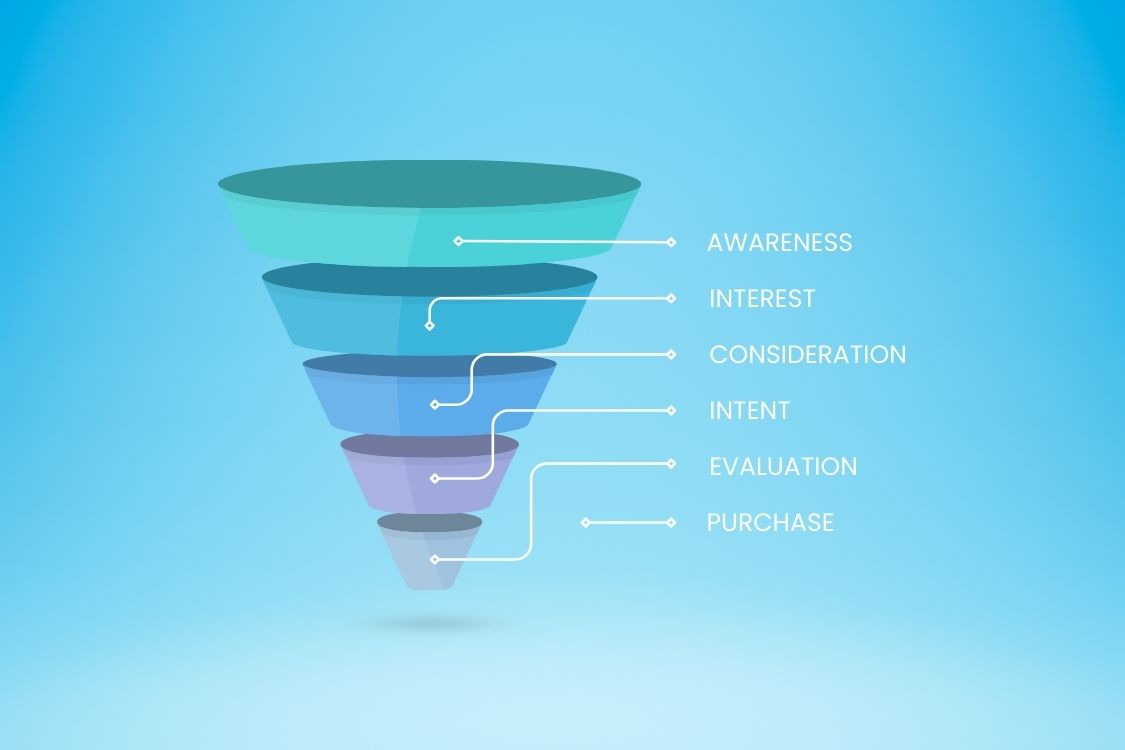
Marketing funnels are crucial in transforming prospects into customers by systematically guiding them from initial brand awareness to final purchase. Each stage of the funnel serves a distinct role in nurturing potential customers through this journey.
- Awareness: Capturing the attention of potential customers and making them aware of a brand’s existence.
- Interest: Engaging prospects by sparking their interest in what the brand offers.
- Consideration: Encouraging prospects to evaluate the brand’s offerings compared to competitors.
- Intent: Demonstrating a desire to purchase by showing serious consideration of the product or service.
- Evaluation: Assessing the benefits and value of the brand’s offerings to make an informed decision.
- Purchase: The final step where the prospect becomes a customer by making a purchase.
Each stage of the marketing funnel is integral to customer conversion. In the Awareness stage, capturing attention sets the foundation for brand recognition. As prospects move to the Interest and Consideration stages, they engage with content that differentiates the brand. During Intent and Evaluation, potential customers weigh their options, influenced by detailed product information and testimonials. Finally, the Purchase stage solidifies the transition from prospect to customer, with a seamless buying experience. To enhance each stage’s effectiveness, consider engaging with Smarter Digital Marketing for expert SEO optimisation services.
Awareness Stage: Capturing Attention
The Awareness Stage is pivotal, as it is the initial phase where potential customers first encounter your brand. The primary objective is to capture their attention and make them aware of your existence in the market. This marks the beginning of their journey through the marketing funnel.
Effective strategies for capturing attention include:
- Content marketing to provide valuable information and establish authority.
- Social media engagement to reach a broader audience and foster community interaction.
- Online advertising to target specific demographics and increase brand visibility.
- Influencer partnerships to leverage trusted voices and expand reach.
- Public relations campaigns to enhance credibility and generate buzz.
Measuring success in the Awareness Stage involves analysing metrics that reflect how well these efforts are resonating with the target audience. Key performance indicators include reach, which quantifies how many people have been exposed to the brand, and impressions, which measure the number of times content is displayed. These metrics provide insights into the effectiveness of awareness strategies and help guide future marketing efforts.
Interest Stage: Building Engagement
The Interest Stage is crucial for converting prospects into engaged leads. At this juncture, potential customers begin to show interest in a brand’s offerings. Building meaningful engagement here is vital for nurturing this interest and moving prospects further down the marketing funnel.
Strategies to enhance engagement include:
- Email campaigns that provide personalised content and exclusive offers.
- Webinars that offer value and demonstrate expertise in the field.
- Interactive content such as quizzes or polls to increase participation.
- Retargeting ads that remind prospects of their initial interest and keep the brand top-of-mind.
Key performance indicators for the Interest Stage include click-through rates, which measure how effectively emails or ads are prompting action, and time spent on site, indicating how engaging the content is. Monitoring these KPIs provides insights into the effectiveness of engagement strategies and helps refine approaches to better capture and maintain prospect interest.
Consideration Stage: Weighing Options
During the Consideration Stage, potential customers are actively evaluating a brand’s offerings against competitors. This phase is critical as prospects gather information to make informed decisions. Providing comprehensive product details, customer testimonials, and case studies is essential to persuade prospects of a brand’s value.
| Strategy | Purpose |
| Product Demos | Allow prospects to experience offerings firsthand |
| Customer Testimonials | Build trust through positive experiences |
| Product Comparisons | Highlight unique features and advantages |
Monitoring engagement during the Consideration Stage is pivotal to understanding how prospects interact with the brand. Key performance indicators like comparison views and demo requests offer insights into which aspects resonate most with potential customers. These metrics help refine strategies, ensuring that prospects receive the necessary information to move confidently towards a purchase decision.
Decision and Action Stages: Converting Prospects
The Decision and Action Stages are pivotal in the marketing funnel, concentrating on transforming interested prospects into paying customers. Conversion tactics at this juncture are essential, as they directly influence the likelihood of a purchase. Offering strategic promotions or discounts can incentivise hesitant buyers, while ensuring a streamlined purchasing experience reduces friction that might otherwise deter conversion. These stages require a delicate balance between persuasive marketing and user-friendly processes to maximise conversion rates.
Effective methods to drive conversions include:
- Limited-time offers that create a sense of urgency and motivate immediate action.
- Simplified checkout processes that minimise steps and reduce potential drop-offs.
- Personalised recommendations that align with individual preferences and enhance user experience.
- Trust signals such as security badges and customer reviews that build credibility.
- Abandoned cart reminders that nudge prospects to complete their purchases.
Conversion metrics are vital for evaluating the effectiveness of these strategies. Conversion rates, which measure the percentage of visitors who complete a purchase, provide insight into the overall success of the funnel. Additionally, tracking the average order value helps assess the financial impact of conversion tactics. By analysing these metrics, businesses can refine their strategies, ensuring they not only convert more prospects but also maximise revenue per transaction.
Optimising Marketing Funnel Performance

Continual optimisation of the marketing funnel is crucial for enhancing conversion rates and minimising friction throughout the customer journey. By refining each stage, businesses can ensure a smoother transition from potential interest to final purchase, ultimately boosting customer conversion and increasing revenue.
Tips for improving funnel performance include:
- Conducting A/B testing to determine the most effective strategies and content.
- Gathering user feedback to identify pain points and improve user experience.
- Streamlining the purchasing process to reduce friction and drop-offs.
- Personalising customer interactions to increase engagement and satisfaction.
- Enhancing website speed and mobile responsiveness to retain user attention.
- Implementing retargeting campaigns to re-engage potential customers who have shown interest.
| Metric | Importance | Action |
| Drop-off Rates | Identifies stages where prospects lose interest | Analyse and streamline these stages |
| Conversion Rates | Measures effectiveness of converting leads to customers | Enhance high-performing tactics and address low-performing ones |
| Customer Feedback | Provides insights into user experience and satisfaction | Implement changes based on feedback to improve stages |
For businesses seeking expert assistance in optimising their marketing funnel, Smarter Digital Marketing offers professional services tailored to enhance each stage’s effectiveness. By leveraging their expertise, companies can achieve better SEO performance and overall marketing success.
Final Words
Understanding marketing funnel stages is fundamental to effective customer conversion. From brand awareness to final purchase, each stage demands specific strategies and metrics for successful outcomes. The Awareness Stage captures attention; the Interest Stage builds engagement; the Consideration Stage helps prospects weigh options; and the Decision and Action Stages ensure conversions.
Optimising marketing funnel performance remains crucial for enhanced outcomes. Employing professional services like Smarter Digital Marketing aids in fine-tuning these stages for maximum impact. Embrace the potential of marketing funnel stages to elevate business success.
FAQ
What are the stages of a marketing funnel?
A marketing funnel typically includes six stages: Awareness, Interest, Consideration, Intent, Evaluation, and Purchase. Each stage guides potential customers from first learning about a brand to making a purchase decision.
What is the awareness stage of the marketing funnel?
The awareness stage is when potential customers first become aware of your brand. Strategies like content marketing and social media are used to increase visibility and attract attention. Success is measured by metrics such as reach and impressions.
How can the interest stage enhance engagement?
During the interest stage, prospects show interest in products or services. Engagement can be enhanced through email campaigns, targeted content, social media interactions, and webinars. Key performance indicators include click-through rates and time on site.
What happens during the consideration stage of the marketing funnel?
In the consideration stage, prospects evaluate your offerings against competitors. Providing thorough product information, testimonials, and case studies is crucial. Monitoring engagement through KPIs like comparison views and demo requests is vital for analysis.
What strategies are effective in the decision and action stages?
Effective strategies in these stages include offering promotions, simplifying the checkout process, and providing excellent customer support to facilitate purchase decisions. Conversion metrics, such as conversion rates and average order value, are key indicators of success.
How can marketing funnel performance be optimised?
Optimising funnel performance involves improving conversion rates and reducing friction. Strategies include A/B testing, analysing user feedback, and monitoring key metrics like drop-off rates at each stage for continual improvement.
