
Are digital twins set to redefine e-commerce, turning imagination into virtual reality? This intriguing concept positions digital replicas at the forefront of online retail innovation, providing businesses with unprecedented simulation capabilities and analytic power. As e-commerce ventures continuously seek methods to optimise their platforms, digital twins emerge as transformative tools. By generating virtual copies of physical products and systems, they offer businesses invaluable opportunities for enhanced decision-making and deeper insights. This article delves into the compelling role digital twins play in evolving the e-commerce landscape, reshaping how online retail operations function and flourish.
Understanding Digital Twins in E-commerce
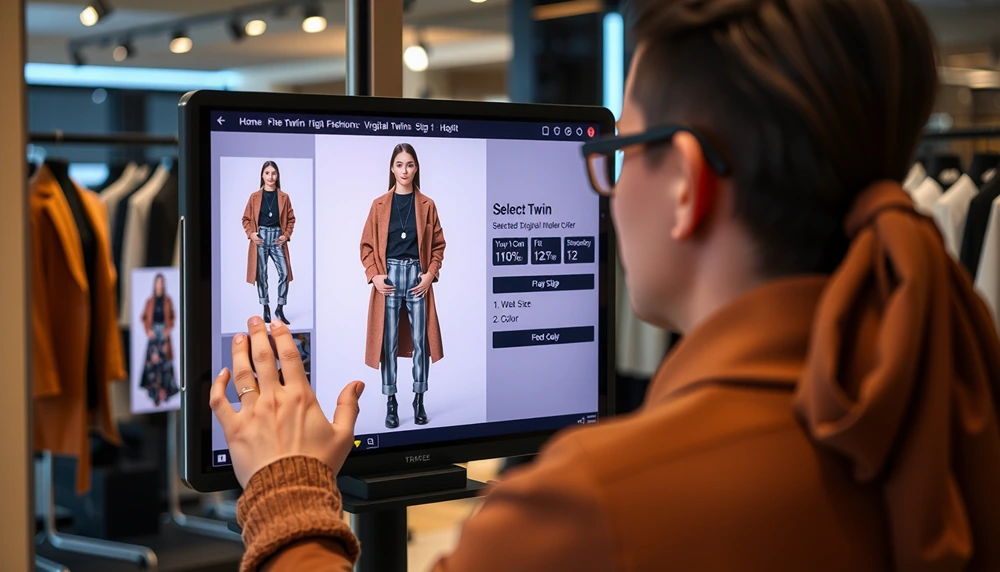
Digital twins in e-commerce represent virtual replicas of physical products, processes, or systems. These digital replicas allow businesses to simulate real-world conditions in a digital environment, which is a significant advancement in e-commerce technology. By creating a digital twin of a product, a retailer can test and refine product features virtually before launching them in the market. This approach not only saves time and reduces costs but also minimises the risks associated with product development. Digital twins facilitate a deeper understanding of consumer interactions with products, thus enhancing the overall e-commerce experience.
Incorporating digital twins into online retail provides enhanced data analysis and decision-making capabilities. They equip businesses with tools to conduct real-time simulations, enabling a more accurate prediction of consumer behaviour and demand trends. These insights support more informed strategic decisions, such as inventory adjustments and marketing strategies. The integration of digital twins with physical systems further optimises operational efficiency, ensuring that businesses can respond swiftly to market changes. As a result, digital twins are becoming a core component of modern e-commerce technology, driving innovation and competitiveness in the industry.
- Virtual replicas
- Real-time simulations
- Enhanced data analysis
- Decision-making tools
- Integration with physical systems
Benefits of Digital Twins for Customer Experience
How do digital twins enhance personalisation in e-commerce? By providing personalised recommendations based on detailed consumer data analysis. This capability allows businesses to tailor shopping experiences to individual preferences, thereby increasing customer satisfaction. Digital twins use advanced algorithms to analyse customer behaviour and predict future buying patterns. These insights facilitate the creation of bespoke shopping experiences that resonate more with consumers, leading to higher engagement and loyalty.
What role do virtual try-ons and augmented reality play in e-commerce? They allow customers to interact with digital replicas of products as if they were physically present. This technology enhances the shopping experience by providing a realistic preview of how products will fit or look, reducing the uncertainty often associated with online purchases. Virtual try-ons, powered by digital twins, are particularly transformative in sectors like fashion and home decor, where visualisation is crucial. Augmented reality further bridges the gap between online and in-store experiences, offering a seamless integration of digital and physical retail environments.
How do digital twins impact conversion rates and customer satisfaction? E-commerce platforms have observed conversion rate improvements of up to 30% after integrating digital twin technology. The enhanced customer experience, characterised by relevant product recommendations and engaging virtual interactions, leads to increased purchase likelihood and reduced return rates. By anticipating customer needs and preferences, digital twins contribute significantly to customer satisfaction, fostering positive feedback and repeat business.
- Personalised recommendations
- Virtual fitting rooms
- Customised product experiences
- Interactive shopping journeys
Digital Twins in Inventory Management
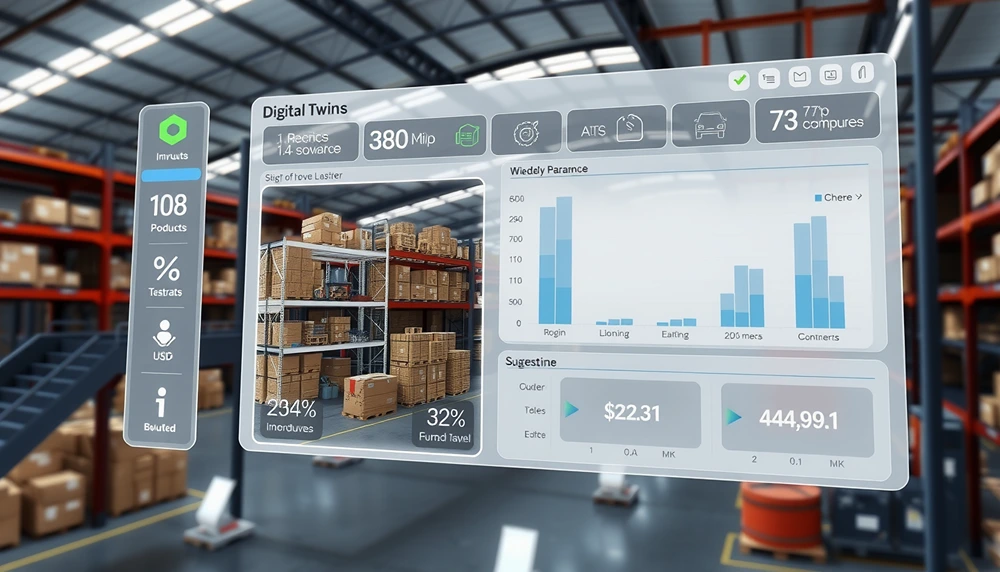
How do digital twins enhance inventory control in e-commerce? By offering real-time tracking capabilities, digital twins enable businesses to maintain an accurate overview of their inventory at any given moment. This immediacy reduces the likelihood of overstock and stockouts, which are common challenges in traditional inventory management. Digital twins provide a dynamic view of the supply chain, allowing retailers to adjust inventory levels swiftly and efficiently in response to market demand. Consequently, businesses can ensure that their stock aligns with consumer needs, minimising wastage and maximising sales potential.
What role do predictive analytics and supply chain optimisation play? Digital twins leverage predictive analytics to forecast demand more accurately, enabling e-commerce platforms to anticipate changes in consumer behaviour. This foresight supports strategic planning and resource allocation, ensuring that inventory levels are optimised to meet future demand. By integrating digital twins into their supply chain processes, businesses can streamline operations and enhance efficiency. This integration allows for seamless coordination between different supply chain components, reducing delays and improving overall service delivery.
| Aspect | Traditional Management | Digital Twin Management |
|---|---|---|
| Tracking accuracy | Often manual and delayed | Real-time and automated |
| Demand forecasting | Historical data reliance | Predictive and adaptive |
| Stock level optimisation | Reactive adjustments | Proactive and precise |
Case Studies: E-commerce Platforms Utilising Digital Twins
How has Amazon incorporated digital twins into its operations? By developing sophisticated digital twin applications that optimise logistics and warehouse management. These digital replicas simulate warehouse processes, allowing Amazon to refine and enhance operational efficiency. This technology enables precise inventory tracking and predictive maintenance, reducing downtime and improving service delivery. Through real-time virtual simulations, Amazon can anticipate logistical challenges and adjust strategies accordingly, ensuring a seamless shopping experience for customers.
What strategies has Alibaba employed to leverage digital twins? Alibaba has integrated digital twins into its smart retail initiatives, focusing on enhancing customer interaction and satisfaction. The use of digital twins in virtual fitting rooms allows customers to visualise how clothes will look and fit, thereby reducing return rates. Additionally, Alibaba utilises digital twins to improve product design by collecting real-time customer feedback, leading to more tailored product offerings. This approach not only enhances customer engagement but also streamlines product development processes.
What is the overall impact of digital twins on e-commerce operations and customer engagement? The integration of digital twin technology has led to significant improvements in both operational efficiency and customer satisfaction. By enabling more accurate demand forecasting and inventory management, digital twins help e-commerce platforms reduce costs and improve responsiveness to market changes. Enhanced customer engagement is achieved through personalised shopping experiences and interactive features, driving higher conversion rates and fostering brand loyalty. These advancements position digital twins as a pivotal innovation in the e-commerce landscape.
Challenges in Digital Twin Implementation
What challenges do platforms like Amazon and Alibaba face when implementing digital twins? High initial costs and data privacy concerns are primary obstacles. Developing and deploying digital twin technology requires substantial financial investment in advanced infrastructure and skilled personnel. Additionally, safeguarding customer data within digital twin applications remains a critical concern, necessitating robust security measures. Addressing these challenges is crucial for e-commerce platforms to fully exploit the potential of digital twins and maintain consumer trust.
Future Trends and Challenges in Digital Twins for E-commerce
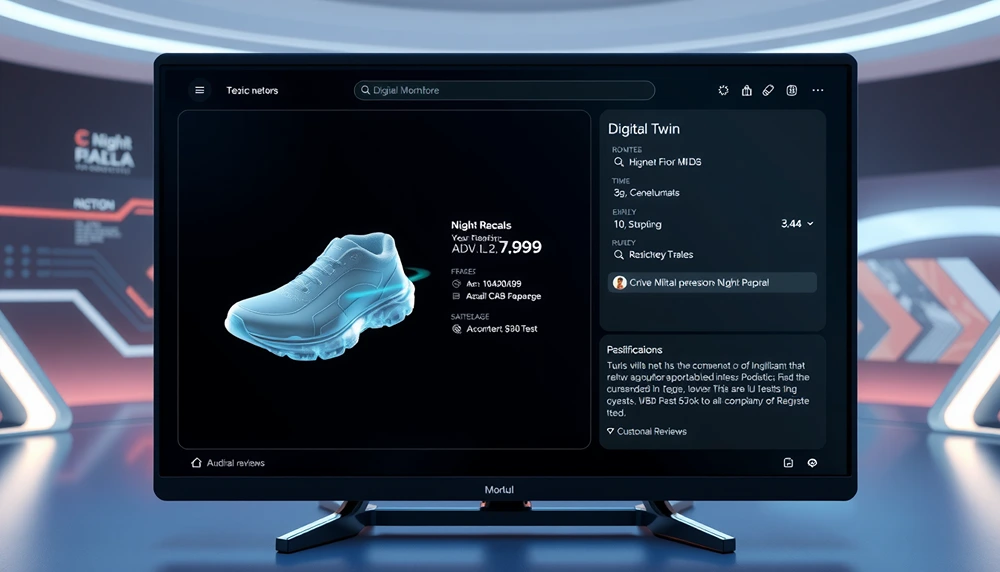
What are the future trends for digital twins in e-commerce? Integration with AI and IoT technologies is on the rise. This synergy enhances digital twin capabilities by providing more sophisticated simulations and real-time analytics. AI-driven insights allow businesses to predict customer behaviour with greater accuracy, leading to improved personalisation and customer satisfaction. IoT integration facilitates seamless communication between digital and physical systems, enabling a more dynamic and responsive retail environment. These advancements hold the potential to transform the future of online shopping, making it more intuitive and interactive than ever before.
What challenges do e-commerce businesses face with digital twins? High initial costs, data privacy concerns, and technical infrastructure requirements present significant hurdles. Developing a digital twin infrastructure demands substantial investment in advanced technology and skilled personnel, which can be prohibitive for smaller enterprises. Data privacy remains a critical issue, as digital twins require large volumes of sensitive information to function effectively. Ensuring robust security measures is essential to maintain consumer trust. Solutions may include phased technology adoption and partnerships with tech providers, enabling businesses to leverage digital transformation without overwhelming resource strain.
- AI-driven insights
- IoT integration
- Advanced real-time analytics
- Enhanced automation capabilities
Final Words
Digital twins in e-commerce create transformative opportunities. Acting as digital replicas, they aid businesses in simulating conditions, enhancing personalisation and optimising inventory management. Platforms like Amazon and Alibaba exemplify the robust application of digital twins, offering compelling customer experiences and operational efficiency.
Looking ahead, the integration of AI and IoT will further refine these simulations. Navigating challenges related to cost and privacy, digital twins will redefine e-commerce. Embracing digital twin technology can provide a competitive edge, positioning businesses for success in this evolving landscape.
FAQ
What are digital twins in e-commerce?
Digital twins in e-commerce are virtual replicas of physical products, systems, or processes. They enable businesses to simulate real-world conditions digitally, optimising data analysis and decision-making.
How do digital twins enhance customer experience?
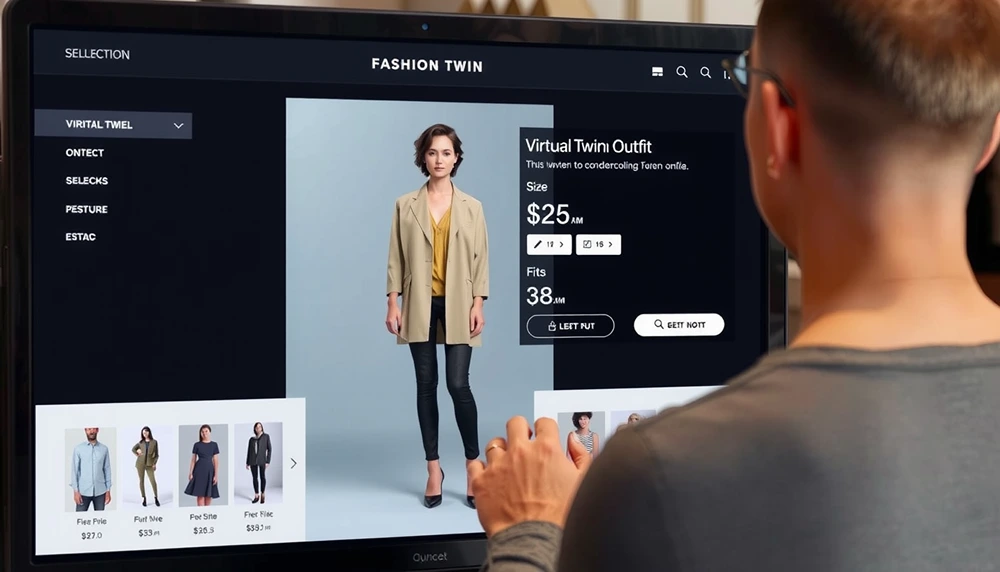
Digital twins enhance customer experience by offering personalised recommendations and virtual try-ons. E-commerce platforms report up to a 30% increase in conversion rates through improved customer engagement.
What benefits do digital twins bring to inventory management?
Digital twins provide real-time tracking and predictive analytics in inventory management. This reduces overstock and stockouts while optimising supply chain efficiency.
How do major e-commerce platforms like Amazon utilise digital twins?
Amazon uses digital twins to streamline operations and improve customer engagement. The implementation includes virtual fitting rooms and real-time feedback on product designs.
What challenges do e-commerce platforms face when implementing digital twins?
Platforms face challenges such as high initial costs and data privacy concerns when implementing digital twins. Technical infrastructure requirements also pose significant issues.
What future trends are anticipated for digital twins in e-commerce?
Future trends include AI-driven insights, IoT integration, and advanced real-time analytics. These advancements promise enhanced automation capabilities for more effective digital twin applications.
For professional support with this, see our PPC management.
For professional support with this, see our digital marketing services.
For professional support with this, see our web design services.
For professional support with this, see our about Smarter Digital Marketing.
For professional support with this, see our local SEO across Scotland and the UK.
