
Are you leaving potential SEO opportunities untapped by not addressing content gaps on your website? Identifying and bridging these gaps is pivotal, aligning your content with search intent and improving online visibility. This article explores content gap analysis, a process to uncover missing or underperforming content through robust SEO tools like Ahrefs and SEMrush. Understanding and implementing this strategy could boost your rankings, generate qualified leads, and enhance your website’s performance. Discover effective steps and tools to revolutionise your SEO strategy through an informed content gap analysis approach.
Understanding Content Gap Analysis for SEO

Content gap analysis is a strategic approach to identifying missing or underperforming content on a website. It plays a vital role in enhancing SEO by ensuring content aligns with audience needs and search intent. By pinpointing areas where current content falls short, businesses can develop an SEO strategy that addresses these deficiencies, leading to better visibility and engagement.
Common signs indicating content gaps include:
- High bounce rates on specific pages
- Declining organic traffic over time
- Lower rankings for targeted keywords
- Limited content compared to competitors
- Inconsistent audience engagement across content types
Tools such as Ahrefs and SEMrush are instrumental in conducting content gap analyses effectively. They provide insights into competitor strategies, keyword performance, and potential content opportunities. By leveraging these tools, businesses can uncover gaps and strategically plan content creation to fill them, ensuring alignment with SEO goals and audience expectations.
Steps to Conduct a Content Gap Analysis
A systematic approach to content gap analysis is paramount to enhancing website visibility and aligning content with search intent. This structured process identifies areas where content is lacking or underperforming, allowing for strategic improvement.
- Perform a Content Audit
Start by evaluating existing content for performance and relevance. This involves assessing metrics like page views, time on page, and bounce rates to understand what content resonates with the audience. - Identify Keyword Opportunities
Analyse keywords associated with your content and identify gaps where potential high-ranking keywords are missing. Tools like Ahrefs or SEMrush can assist in uncovering keyword opportunities that competitors may be targeting. - Analyse Competitor Content
Examine the content strategies of competitors to ascertain where they excel. This analysis should focus on content topics, formats, and keyword targeting to identify areas where your content could be improved or expanded. - Evaluate Content Relevance and Freshness
Ensure that existing content is up-to-date and relevant to current search trends and audience interests. Refresh or repurpose outdated content to maintain its effectiveness and improve engagement. - Plan Content Creation
Develop a plan to create new content that addresses identified gaps. This plan should align with SEO goals and audience needs, focusing on high-value topics and keywords. - Implement SEO Best Practices
Optimise content for search engines by incorporating relevant keywords, meta tags, and internal linking strategies. Ensuring technical SEO compliance is crucial for improving search engine visibility. - Monitor and Adjust
Continuously track content performance and make necessary adjustments. This ongoing process involves analysing metrics to measure the success of the content gap analysis and refining strategies to maximise results.
By following these steps, businesses can effectively address content deficiencies, optimise their SEO strategies, and improve their overall online presence.
Tools for Effective Content Gap Analysis
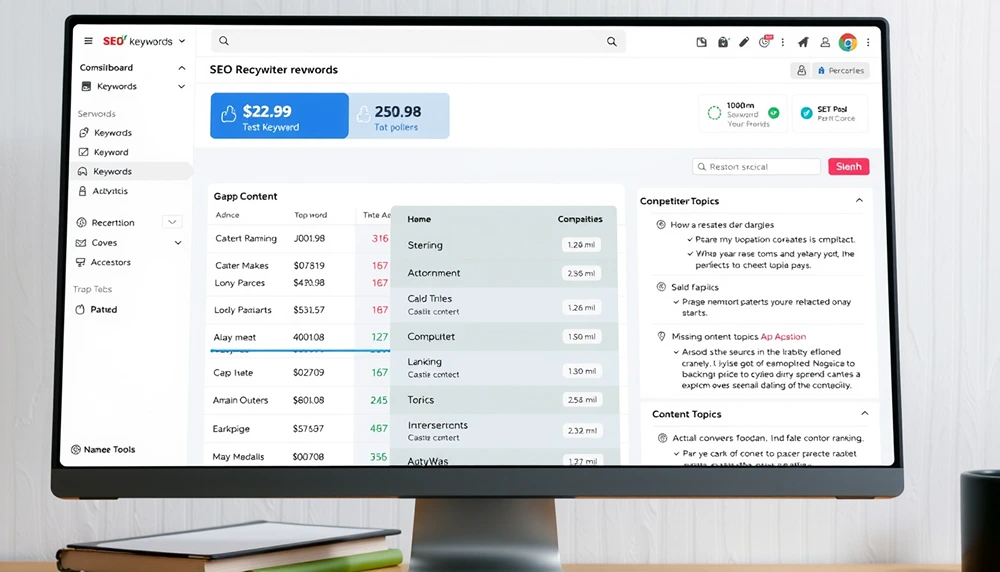
In the realm of SEO, tools play a crucial role in simplifying content gap analysis. They provide essential insights into competitors and keyword performance, allowing businesses to identify areas where their content may be lacking. By leveraging these tools, marketers can make informed decisions to enhance their content strategy effectively.
| Tool Name | Features | Competitor Insights |
| Ahrefs | Comprehensive backlink analysis, keyword research | Identifies competitor keywords and content performance |
| SEMrush | Site audit, keyword tracking, competitive analysis | Offers detailed competitor keyword insights |
| Moz | SEO audit, rank tracking, link building | Provides domain authority comparison with competitors |
| Ubbersuggest | Keyword suggestions, SEO analysis, content ideas | Analyses competitor traffic and content strategy |
Using these tools not only facilitates the identification of content gaps but also aids in understanding the competitive landscape. They empower businesses to refine their content strategies by pinpointing areas for improvement and discovering untapped opportunities. By integrating these insights into their SEO efforts, companies can achieve enhanced search engine visibility and improved user engagement.
Implementing a Content Strategy to Fill Gaps
A cohesive content strategy is essential for effectively addressing content gaps and enhancing SEO performance. By aligning content with user intent and SEO objectives, businesses can improve audience engagement and search engine rankings.
Strategies to implement a content plan include:
- Create New Content: Identify high-value topics and keywords that meet audience needs and fill existing gaps.
- Update Existing Content: Refresh outdated materials to maintain relevance and enhance engagement.
- Align with User Intent: Ensure content matches what the audience is searching for to improve satisfaction and conversion rates.
- Leverage Analytics: Use data insights to guide content creation and optimisation efforts.
- Optimise for SEO: Incorporate strategic keywords, meta tags, and ensure technical SEO compliance.
- Diversify Content Types: Use various content formats like blogs, videos, and infographics to reach a broader audience.
Continuous optimisation and monitoring are crucial components of a successful content strategy. Regularly analysing performance metrics allows businesses to adapt their strategies, ensuring ongoing improvement in visibility and audience engagement.
Measuring the Success of Your Content Gap Analysis
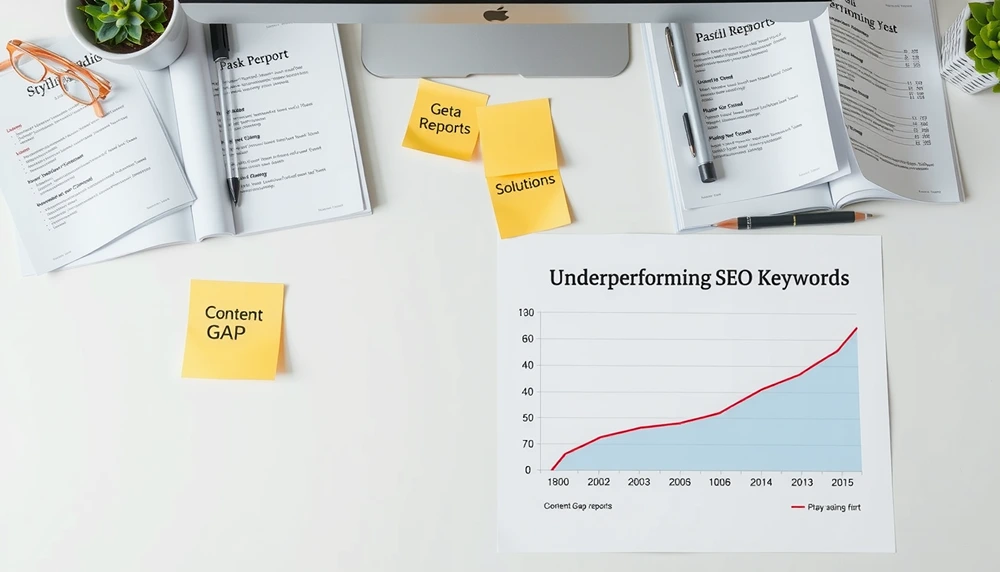
Metrics are fundamental in evaluating the success of content gap analysis. They provide quantitative insights into how well content strategies meet SEO objectives and user expectations. By systematically tracking these metrics, businesses can assess the effectiveness of their content adjustments and refine strategies for enhanced performance.
Key metrics to monitor include:
- User Engagement Metrics: Track metrics such as page views, time on site, and bounce rates to evaluate how users interact with the content.
- Search Engine Rankings: Monitor keyword rankings to determine visibility improvements in search engine results.
- Content Performance Metrics: Analyse the effectiveness of content through metrics like click-through rates (CTR) and conversion rates.
- Traffic Volume: Observe changes in organic traffic to gauge the impact of content updates and new content creation.
- Social Shares and Comments: Measure the extent of social engagement to understand content reach and audience interaction.
Continuous analysis of these metrics is crucial. It enables businesses to make data-driven decisions, ensuring that content strategies remain aligned with evolving SEO goals and audience needs. Regular evaluation fosters adaptability, allowing for timely adjustments that optimise content performance and maintain competitive advantage.
Case Study: Successful Content Gap Analysis by Smarter Digital Marketing
Smarter Digital Marketing, a prominent player in the field, embarked on a strategic content gap analysis to enhance their digital presence and boost organic traffic. The primary objectives were to identify content deficiencies, improve search engine rankings, and increase audience engagement through a targeted approach.
Strategies Employed
Smarter Digital Marketing began by conducting a thorough content audit. This step involved evaluating existing content to identify underperforming areas and uncover opportunities for improvement. They focused on aligning content with user intent, ensuring relevance and engagement.
Following the audit, the team identified key keyword opportunities. By leveraging tools like Ahrefs and SEMrush, they pinpointed high-value keywords that were not being effectively utilised. This insight guided their content creation efforts, allowing them to target specific audience needs more accurately.
The optimisation phase involved updating existing content and creating new materials. Smarter Digital Marketing ensured all content was optimised for SEO, incorporating strategic keywords, meta tags, and internal linking. They also diversified content formats, including blog posts, videos, and infographics, to cater to varied audience preferences.
Results
The implementation of these strategies led to a significant increase in organic traffic. By filling content gaps and aligning materials with search intent, Smarter Digital Marketing experienced improved search engine visibility, which translated into higher page rankings.
User engagement metrics also saw a marked improvement. The refreshed and newly created content resonated with the audience, resulting in increased page views, longer time on site, and higher conversion rates. This success highlights the impact of a well-executed content gap analysis, demonstrating the power of audience-driven content in achieving digital marketing synergy.
Final Words
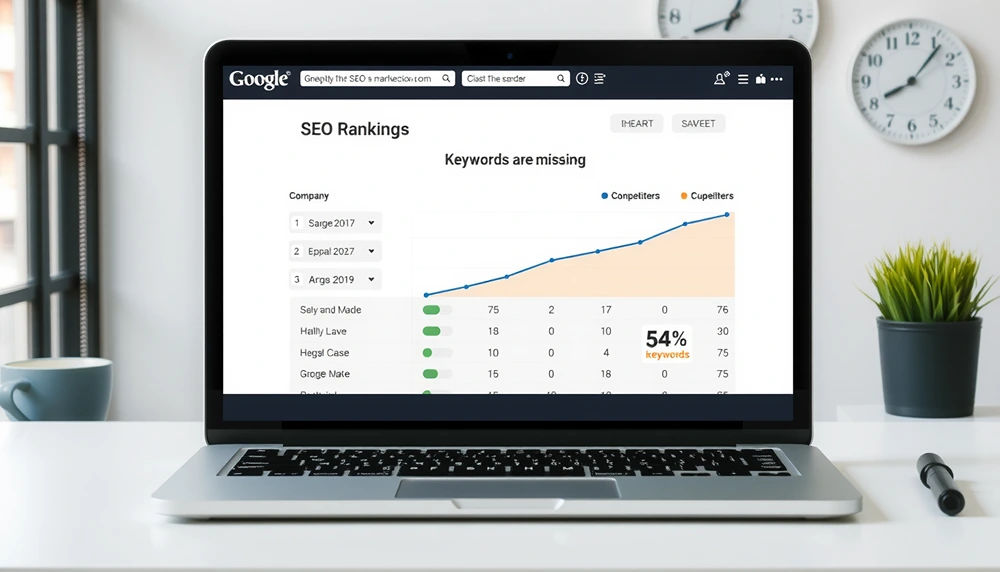
Conducting a content gap analysis is essential for enhancing SEO strategies.
By identifying content gaps, businesses align their offerings with audience needs, boosting online visibility through strategic planning.
Tools like Ahrefs, SEMrush, and Moz simplify the analysis process, offering insights into competitors and keyword performance.
Through effective implementation, a robust content strategy addresses these gaps by creating and optimising content, ensuring alignment with user intent.
Measuring success through user engagement and search engine rankings allows for ongoing refinements.
Ultimately, this approach ensures continuous growth in content performance and audience engagement.
FAQ
What is content gap analysis in SEO?
Content gap analysis is a method to identify missing or underperforming content on a website. It improves SEO by aligning content with audience needs and search intent using tools like Ahrefs and SEMrush.
Why is content gap analysis important for SEO?
Content gap analysis is crucial for SEO as it aligns website content with target audience needs and search intent, leading to improved search rankings and enhanced visibility.
How can I identify content gaps effectively?
You can identify content gaps by conducting a content audit, reviewing current search trends, analyzing competitor content, and using keyword gap tools like Ahrefs and SEMrush.
What steps are involved in conducting a content gap analysis?
Conducting a content gap analysis includes performing a content audit, identifying keyword opportunities, and planning content creation to align with search intent and boost visibility.
Which tools are best for content gap analysis?
Ahrefs, SEMrush, and Moz are popular tools for content gap analysis, offering features for competitor keyword analysis and content gap identification to streamline the process.
How can I implement a content strategy to address gaps?
A content strategy should include creating new content, updating existing content, and aligning all materials with user intent and SEO goals for effective gap resolution.
How do I measure the success of content gap analysis?
Success is measured using metrics like user engagement, search engine rankings, and content performance. Continuous monitoring helps refine strategies for optimal results.
For professional support with this, see our PPC management.
For professional support with this, see our digital marketing services.
For professional support with this, see our web design services.
For professional support with this, see our about Smarter Digital Marketing.
For professional support with this, see our local SEO across Scotland and the UK.
