
Are customers truly satisfied in an age where expectations for seamless assistance are higher than ever? Chatbots offer a compelling solution by revolutionising customer experiences with 24/7 support and drastically reduced wait times. With significant improvements—up to 30% increase in customer interaction reported—companies see the undeniable benefit of implementing these intelligent virtual assistants. This article dives into the transformative impact of chatbots on enhancing user engagement and delivering human-like interactions, proving that elevating customer satisfaction is not just possible but effortless.
Enhancing Customer Experience with Chatbots
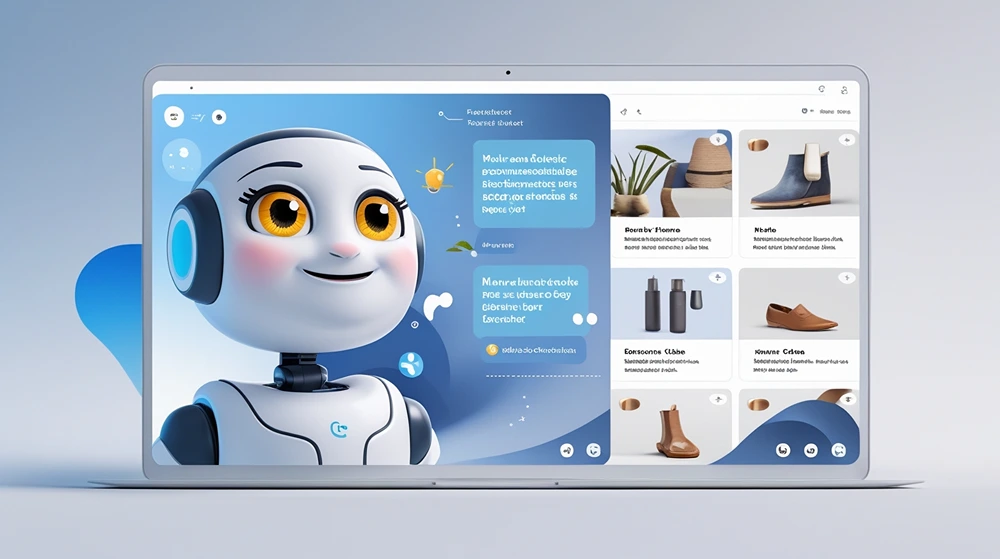
Chatbots significantly improve customer experience by offering seamless 24/7 support. This around-the-clock availability ensures that customers receive immediate assistance, eliminating long wait times traditionally associated with human-operated support centres. By automating routine queries, chatbots efficiently handle customer interactions, thereby freeing up human resources for more complex tasks. This not only enhances operational efficiency but also leads to a more responsive service framework. Personalised interactions, facilitated by advanced natural language processing, further improve the user experience, making customers feel valued and understood.
Features that enhance human-like interaction include:
- Natural language processing for understanding and responding to user queries.
- Sentiment analysis to tailor responses based on the customer’s emotional state.
- Seamless integration with customer relationship management systems.
- Adaptive learning capabilities for continual improvement.
- Multilingual support to cater to a diverse customer base.
The impact of chatbots on customer satisfaction and engagement is evident in the statistics reported by companies utilising these technologies. Businesses have observed up to a 30% increase in customer interaction, demonstrating the technology’s effectiveness in engaging users. As chatbots continue to evolve, their role in enhancing user satisfaction becomes increasingly pivotal, offering a streamlined, interactive, and efficient customer service experience.
Strategic Implementation of Chatbots
Defining the purpose of a chatbot is crucial for its successful implementation. What is the first step in implementing a chatbot? Establishing a clear purpose is the initial step. A well-defined purpose aligns the chatbot’s functions with the specific needs of the customer base, ensuring it addresses the right queries and provides value. Knowing its intended role guides the development process and sets a foundation for effective integration into existing systems. This strategic alignment facilitates smoother interactions, leading to a more coherent user experience.
| Feature | Benefit |
| Natural Language Processing (NLP) | Enables the chatbot to understand and respond accurately to user inquiries. |
| Sentiment Analysis | Allows the chatbot to adapt responses based on the customer’s emotional tone. |
| CRM Integration | Ensures seamless access to customer data for personalised interactions. |
Continuous updates and incorporating user feedback are pivotal for maintaining chatbot effectiveness. Why is ongoing feedback important for chatbots? It is vital because it helps refine the chatbot’s capabilities, ensuring it remains relevant and efficient. Regular updates based on user interactions not only improve the chatbot’s performance but also enhance customer satisfaction by addressing emerging needs and preferences. This iterative process of development and feedback ensures the chatbot evolves alongside the business and its customers, sustaining its role as a valuable tool in the customer service arsenal.
Case Studies: Real World Chatbot Success
A notable case study involves a leading e-commerce company that integrated chatbots into its customer service operations. After implementation, the company reported a significant boost in customer satisfaction metrics. By deploying chatbots to handle routine inquiries, the company not only reduced response times but also enhanced the quality of service offered to customers. The chatbots utilised advanced natural language processing capabilities to offer personalised assistance, which resulted in a more engaging and satisfactory customer service experience. This strategic move led to a marked improvement in customer loyalty and retention rates, highlighting the tangible benefits of chatbot integration in real-world applications.
Another example includes a telecommunications firm that witnessed a remarkable increase in customer interaction following the introduction of chatbots. The firm reported up to a 30% rise in customer engagement, attributed to the chatbots’ ability to provide instant responses and resolve common issues efficiently. These chatbots were integrated with the company’s CRM systems, allowing them to access customer data and offer personalised solutions. This not only elevated the overall customer experience but also freed up human agents to focus on more complex queries, thereby optimising resource allocation. These case studies underscore the transformational impact of chatbots in enhancing customer interaction and satisfaction.
Tools and Platforms for Chatbot Development
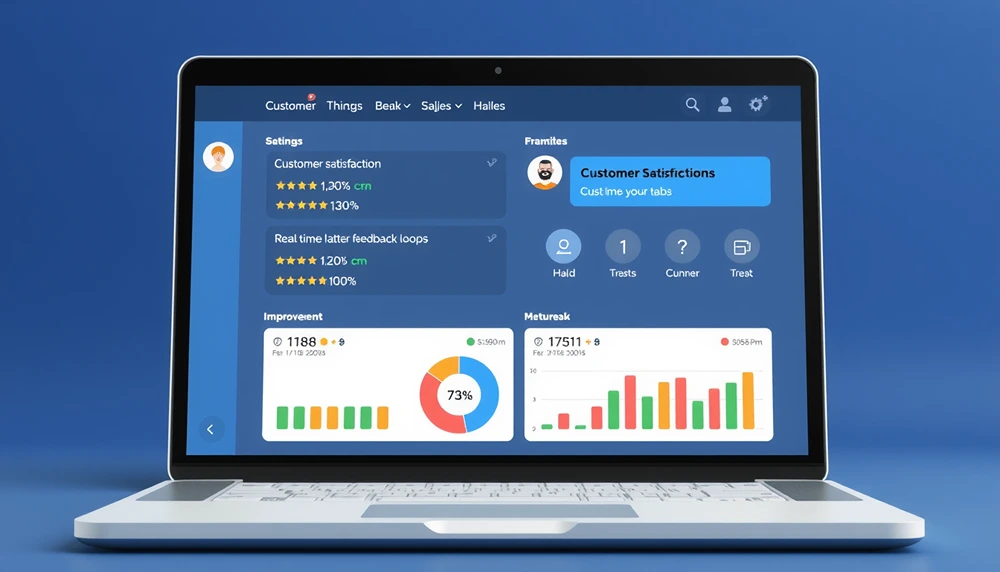
AI chatbots revolutionise customer interaction by providing efficient, scalable, and intelligent communication solutions. What makes AI chatbots advantageous for businesses? Their ability to process large volumes of data swiftly and deliver personalised responses enhances user experience significantly. Through machine learning and natural language processing, AI chatbots can understand customer queries and provide accurate assistance, thus improving customer satisfaction. This efficiency not only elevates the user experience but also reduces operational costs by automating routine tasks.
Dialogflow, Microsoft Bot Framework, and IBM Watson stand out as leading platforms for chatbot development. What features make these platforms popular? Each offers a robust set of tools tailored for creating dynamic chatbot experiences. Dialogflow excels in natural language understanding and integration across numerous platforms. The Microsoft Bot Framework provides comprehensive tools for building, testing, and deploying chatbots with ease, leveraging Azure’s cloud capabilities. IBM Watson is renowned for its powerful AI-driven analytics, enabling complex conversational interactions and adaptive learning. These platforms equip developers with the necessary resources to create sophisticated, responsive chatbots.
Customisation and analytics are paramount in optimising chatbot performance. How do these platforms support customisation and analytics? They provide extensive options for tailoring chatbot functionalities to meet specific business needs, ensuring seamless integration with existing systems. Advanced analytics tools offered by these platforms allow businesses to monitor user interactions, gather insights, and refine chatbot operations. By leveraging these analytics, companies can continually improve their chatbot services, enhancing the overall user experience and achieving higher engagement levels.
Addressing Challenges and Ensuring Security in Chatbots
What are the primary challenges associated with chatbot deployment? The most pressing challenges include data privacy and regulatory compliance. Chatbots often handle sensitive customer information, which raises concerns about how this data is stored, processed, and protected. Ensuring that chatbots adhere to data protection laws, such as GDPR, is crucial for preventing breaches and safeguarding user information. Regulatory compliance is not just a legal obligation but also a fundamental component of maintaining customer trust and confidence in digital interactions.
To maintain security and customer trust, what best practices should be implemented? Implementing robust encryption protocols and regular security audits are essential for protecting data integrity. Businesses must ensure that chatbots are designed with privacy by default, meaning they only collect and retain necessary information. Compliance with regulations is vital, as it not only protects customers but also averts potential legal repercussions for the organisation. Regularly updating chatbot software to patch vulnerabilities and incorporating user feedback for continuous improvements further enhances security measures and fosters customer trust.
Recommended Marketing Company for Chatbot Integration
Chatbots offer distinct advantages in marketing and customer service transformation. What are the benefits of chatbots in these areas? They provide 24/7 engagement, automate routine tasks, and personalise customer interactions, enhancing user satisfaction and operational efficiency. By seamlessly integrating chatbots into customer service strategies, businesses can deliver faster responses, reduce operational costs, and improve overall customer experience. The application of chatbot technology in marketing campaigns allows for targeted, real-time communication, fostering a more dynamic relationship with customers and enhancing brand loyalty.
Why is Smarter Digital Marketing the preferred choice for businesses aiming to leverage chatbot technology? Their expertise in digital marketing and innovative strategies positions them as leaders in chatbot integration. Smarter Digital Marketing excels at customising chatbot solutions that align with specific business goals and customer needs, ensuring maximum impact and satisfaction. Their comprehensive approach includes deploying advanced analytics to track chatbot performance and continuously optimise interactions. This dedication to enhancing customer service through technology makes Smarter Digital Marketing an ideal partner for businesses seeking to transform their customer engagement strategies effectively.

Final Words
Enhancing customer experiences through chatbots involves 24/7 support, reduced wait times, and personalised interactions. These tools lead to significant gains in user engagement and satisfaction. Successfully deploying chatbots requires clearly defined purposes, the integration of key technologies, and continuous feedback-driven updates.
Real-world case studies affirm the transformative impact of chatbots, with noticeable boosts in interaction and customer satisfaction. Tools like Dialogflow and IBM Watson support robust customisation and analytics, crucial for sophisticated applications.
Addressing privacy and data security challenges ensures trust and compliance, essential for sustainable success. Smarter Digital Marketing, adept at integrating chatbots, offers a strategic edge in transforming customer service through advanced technology. Embracing these strategies can enhance chatbot customer experience effectively.
FAQ
How do chatbots improve customer experience?
Chatbots significantly enhance customer experience by providing 24/7 support, reduced wait times, and personalised interactions. Companies using chatbots often see improvements in satisfaction and engagement, sometimes achieving up to a 30% increase in customer interaction.
What features make chatbot interactions more human-like?
Human-like chatbot interactions are enhanced through natural language processing, context-aware responses, sentiment analysis, adaptive learning, and multilingual support. These features enable chatbots to better understand and respond to customer queries effectively.
What are best practices for implementing chatbots?
Best practices for chatbot implementation include clearly defining the chatbot’s purpose, aligning it with customer needs, integrating it with existing CRM systems, using natural language processing for better interactions, and incorporating user feedback for continuous improvement.
What tools are recommended for chatbot development?
For chatbot development, popular platforms include Dialogflow, Microsoft Bot Framework, and IBM Watson. These tools offer features for sophisticated chatbot customisation and analytics, supporting businesses in creating efficient and engaging chatbot experiences.
How can businesses address privacy and security challenges with chatbots?
Businesses should address privacy and security challenges by ensuring data protection, complying with regulations, and maintaining transparent communication with users. Employing encryption and regular security audits can help maintain customer trust and safeguard information.
For professional support with this, see our PPC management.
For professional support with this, see our web design services.
For professional support with this, see our about Smarter Digital Marketing.
For professional support with this, see our local SEO across Scotland and the UK.
