
Are banner ads an underutilised gem in your digital marketing toolkit? In a landscape saturated with content, these graphical displays stand out, driving traffic and boosting brand awareness effectively. Dive deeper into the essentials of banner ads as we unpack their role in enhancing your online strategies. From understanding the varied types and dimensions of banner ads to grasping their design and performance optimisation, this insightful guide will equip you with the knowledge to make impactful digital marketing enhancements. Explore how smart implementation of banner ads can transform your approach to lead generation and website performance.
Understanding Banner Ads

Banner ads are digital advertisements that appear on web pages, designed to attract traffic to a website through clickable links. They serve multiple purposes within digital marketing, including creating brand awareness and generating leads. By strategically placing these ads across various platforms, businesses can reach a wider audience and effectively communicate their brand message. Banner ads play a crucial role in driving engagement and encouraging users to take action, such as signing up for newsletters or making a purchase.
Various types of banner ads exist, each offering distinct advantages based on design and functionality. Static banner ads are simple and straightforward, featuring fixed images or graphics. Animated banner ads incorporate movement to capture attention and convey messages more dynamically. Rich media ads are more interactive, featuring elements like video, audio, or expandable panels to engage users in a more immersive experience. In addition to these, interactive and responsive ads provide a tailored user experience by adjusting to different device screens and incorporating elements like dropdowns or buttons for enhanced interactivity.
Banner advertising can be classified into two main types: inbound and outbound. Inbound banner advertising involves paying for ad placements on other websites to direct traffic back to the advertiser’s site. Conversely, outbound banner advertising uses ads on one’s own website to drive traffic to external content or offers, often in partnership with other businesses. Understanding these distinctions helps marketers effectively plan and execute their advertising strategies, ensuring maximum impact and return on investment.
Types of banner ads:
- Static
- Animated
- Rich Media
- Interactive
- Responsive
Common Banner Ad Sizes and Their Importance
Selecting the appropriate banner ad size is critical for achieving optimal visibility and messaging efficiency in digital marketing. Common banner ad dimensions in 2024 include the 468 x 60 Banner, the 728 x 90 Leaderboard, and the 300 x 250 Medium Rectangle. Other popular sizes are the 336 x 280 Large Rectangle, the 120 x 600 Skyscraper, the 160 x 600 Wide Skyscraper, the 300 x 600 Large Skyscraper, and the 320 x 50 Mobile Leaderboard. Each of these sizes serves specific functions and is strategically employed based on the intended platform and audience engagement goals. Choosing the correct size ensures that the ad captures the attention of the audience while fitting seamlessly within the website’s layout, thereby enhancing the overall effectiveness of the campaign.
The 300 x 250 Medium Rectangle stands out as the most prevalent ad size due to its versatility and effectiveness across various platforms. Its compact yet spacious design allows for rich imagery and concise messaging, making it suitable for both desktop and mobile environments. This size’s adaptability contributes significantly to its popularity, as it balances visual impact with the ability to fit into diverse website layouts without compromising user experience. As advertisers aim to maximise engagement, leveraging the Medium Rectangle’s strengths is a strategic choice in crafting successful banner ad campaigns.
| Ad Size | Description |
| 468 x 60 | Banner |
| 728 x 90 | Leaderboard |
| 300 x 250 | Medium Rectangle |
| 336 x 280 | Large Rectangle |
| 120 x 600 | Skyscraper |
| 160 x 600 | Wide Skyscraper |
| 300 x 600 | Large Skyscraper |
| 320 x 50 | Mobile Leaderboard |
Designing Effective Banner Ads
Simplicity and visual hierarchy are fundamental to creating effective banner ads. By stripping away unnecessary elements, designers can highlight the most critical parts of the message, ensuring that viewers are not overwhelmed. Visual hierarchy guides the viewer’s eye to key areas, directing attention to the brand, message, and call to action. This approach ensures that the ad’s core message is communicated swiftly and efficiently, increasing the likelihood of user engagement.
High-quality images play a crucial role in capturing attention and conveying professionalism. Images should be sharp, relevant, and reflect the brand’s identity. Optimising loading times is also vital; slow-loading ads can frustrate users and lead to decreased engagement. Compressing images without losing quality and using efficient coding practices can help ads load quickly, maintaining user interest and enhancing the overall viewing experience.
Tools such as Canva and Photoshop are invaluable in the design process, offering a range of features for crafting visually compelling ads. These platforms provide templates and resources that can streamline the creation of banner ads, making it easier to maintain design consistency across multiple ad formats. With these tools, designers can experiment with various layouts and styles, ensuring that the final product is both visually appealing and effective in reaching the target audience.
Design tips:
- Simplicity
- Visual Hierarchy
- Image Quality
- Loading Time
- Device Adaptability
Strategies for Optimising Banner Ad Performance
Effective banner ad performance hinges on a deep understanding of the target audience and employing direct response strategies. To maximise engagement, advertisers must tailor their ads to align with the interests and behaviours of their audience. This involves analysing demographic data, online behaviour patterns, and preferences to craft messages that resonate. Direct response strategies are pivotal, as they encourage immediate action by leveraging compelling calls to action, offering clear benefits, or addressing specific pain points of the audience. These tactics are crucial for enhancing click-through rates and driving conversions.
Ad placement and the use of interactive elements further optimise banner ad effectiveness. Positioning ads above-the-fold or within content where they are more visible can significantly increase engagement. Interactive elements, such as dropdowns, radio buttons, and curiosity-driven headlines, invite users to engage actively with the ad, leading to higher interaction rates. These components not only capture attention but also create an engaging user experience, encouraging users to explore further and ultimately take action.
- Audience Understanding: Tailor ads to the specific interests and behaviours of the target audience.
- Direct Response: Employ strategies that prompt immediate action with compelling calls to action.
- Interactive Elements: Use features like dropdowns and radio buttons to boost user engagement.
- Ad Placement: Position ads strategically above-the-fold or within content for maximum visibility.
Measuring the Success of Banner Ad Campaigns
Measuring the success of banner ad campaigns relies heavily on analysing key metrics. What are the most critical metrics to track in a banner ad campaign? Precision dictates focusing on click-through rates (CTR), conversions, and engagement. The CTR measures the percentage of people who clicked on the ad after seeing it, serving as an indicator of the ad’s appeal and effectiveness. Conversions track the number of users who completed a desired action, such as making a purchase or signing up for a newsletter, directly resulting from the ad. Engagement encompasses how users interact with the ad, including time spent and actions taken, providing a comprehensive view of the ad’s impact.
Tracking and analysis software are indispensable tools for measuring banner ad success. How can these tools enhance campaign performance? By offering insights into real-time data, they enable marketers to fine-tune strategies and optimise campaigns for better results. Platforms like Google Analytics and Adobe Analytics provide detailed reports on user behaviour and ad performance, allowing advertisers to identify strengths and weaknesses. These tools help in adjusting ad placements, targeting, and creative elements to improve overall campaign efficacy, ultimately leading to higher engagement and conversion rates.
Key metrics:
- CTR
- Conversions
- Engagement
Trends and Future of Banner Advertising
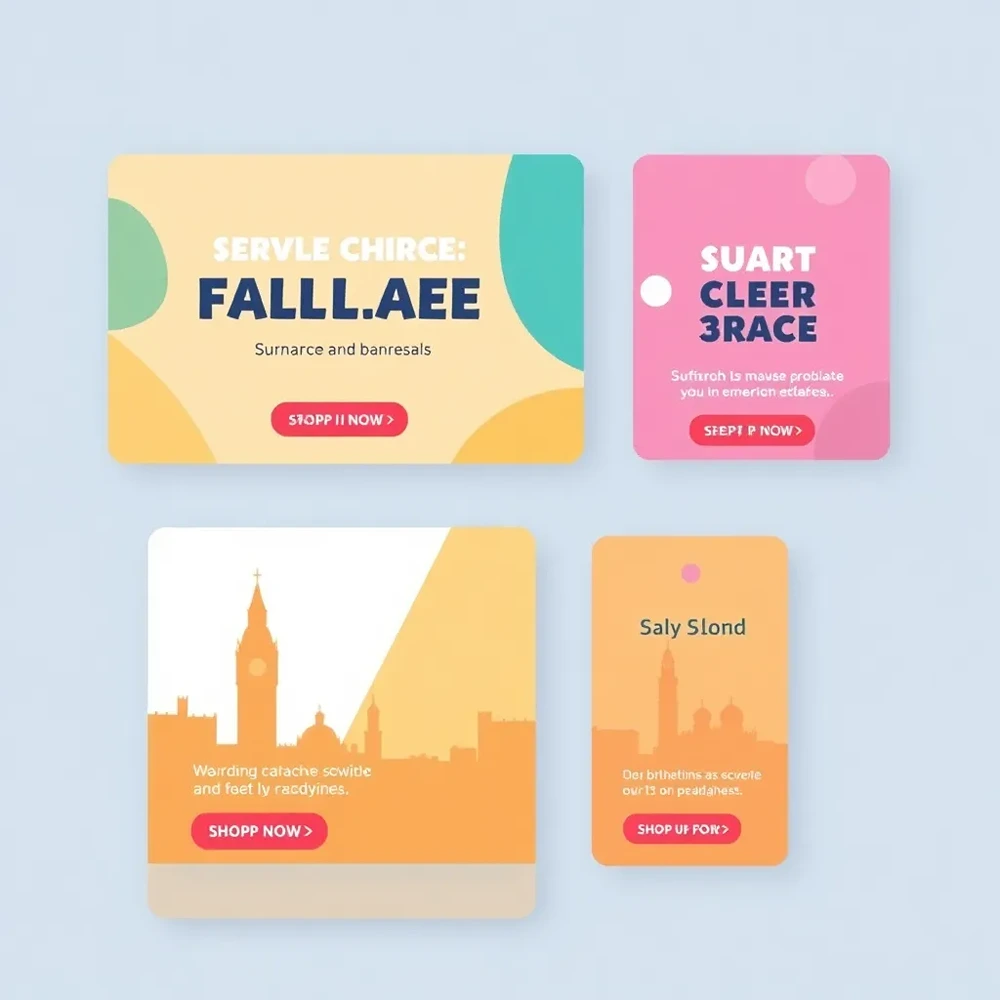
Display advertising continues to be a vital component in digital marketing strategies, bridging the gap between brands and their target audiences. It offers publishers a lucrative avenue for monetisation, while advertisers benefit from increased brand visibility and customer engagement. Despite the challenges posed by banner blindness and evolving consumer preferences, display ads remain effective in driving traffic and generating leads. Their enduring relevance is underscored by their adaptability to various digital environments, ensuring they remain a cornerstone of modern marketing efforts.
Emerging trends and technologies are set to redefine the landscape of banner advertising. Programmatic advertising, which automates the buying and placement of ads, enhances efficiency and targeting precision, allowing advertisers to reach their desired audience more effectively. Additionally, interactive and dynamic ads are gaining traction, offering richer user experiences through elements like animations, videos, and personalised content. These innovations promise to elevate engagement levels, making banner ads more compelling and impactful in the future. As technology advances, the integration of artificial intelligence and machine learning into banner ad strategies will further optimise targeting and creative execution, setting the stage for more sophisticated advertising solutions.
Final Words
Mastering the nuances of banner ads involves understanding their design, size, and placement. By carefully considering these elements, marketers can enhance both visibility and engagement effectively.
Strategies like interactive design and precise targeting underline the importance of adapting to audience preferences. Measuring success through metrics like click-through rates provides valuable insights for optimisation.
As digital marketing evolves, integrating emerging technologies will sustain the relevance of banner ads. A comprehensive approach ensures they remain a potent component of advertising strategies, fostering connections with target audiences.
FAQ
What is a banner ad?
A banner ad is a digital advertisement displayed on a webpage. It is used to attract visitors, create brand awareness, and generate leads by linking to a specific website.
What do banner ads look like?
Banner ads typically feature eye-catching graphics and include interactive elements such as images or videos. They are designed to engage users and encourage clicks.
Are banner ads still used?
Yes, banner ads are still widely used. They remain a crucial element of online advertising strategies, providing visibility and reach for brands across various digital platforms.
What is the difference between a banner and an ad?
A banner is a specific type of ad placed on webpages, usually featuring graphics. An ad is a broader term encompassing various formats like text, video, or audio across different media channels.
What are the types of banner ads?
There are several types of banner ads including static, animated, rich media, interactive, and responsive banners. Each type serves different advertising goals and offers varying levels of engagement.
What sizes are common for banner ads?
Common banner ad sizes include 468×60 (Banner), 728×90 (Leaderboard), 300×250 (Medium Rectangle), and 320×50 (Mobile Leaderboard), among others. Choosing the correct size enhances visibility and ad effectiveness.
How do banner ads on Google work?
Banner ads on Google are part of the Display Network. Advertisers bid to have their ads appear on relevant sites, increasing brand reach and generating traffic.
What are banner ads on AdMob?
Banner ads on AdMob enable app developers to monetise through ads. They are integrated within mobile apps and utilise Google’s network to deliver targeted advertisements.
What is online banner advertising?
Online banner advertising involves placing graphic ads on websites. These ads link back to an advertiser’s website, aiming to increase traffic and customer engagement.
What are some examples of creative banner ads?
Creative banner ads often utilise engaging visuals, animation, and interactive elements. They are designed to captivate and provoke user interaction, increasing click-through rates and brand recognition.
For professional support with this, see our PPC management.
For agency support with this, see our digital marketing services and local SEO across Scotland and the UK.
