
Is augmented reality the ultimate game-changer in online shopping? As digital consumers navigate through an ever-expanding array of choices, AR technology introduces a captivating blend of virtual interaction and real-world application. From virtual try-ons for clothing to visualising furniture in your living room, augmented reality enhances the shopping experience, bridging the gap between indecision and purchase. This transformative approach not only offers immersive shopping experiences but significantly boosts consumer confidence. Dive into how AR has become a cornerstone in redefining consumer interaction and engagement within the e-commerce landscape.
How AR Online Shopping Experiences Enhance Consumer Interaction
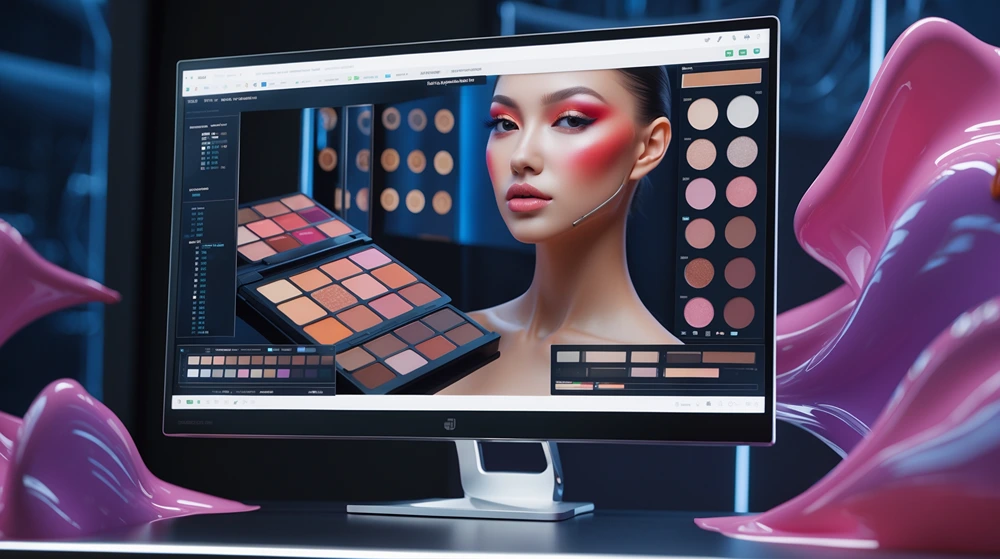
Augmented reality shopping is revolutionising online consumer interaction by offering an immersive and interactive shopping experience. This technology allows users to visualise products within their real-world environment, bridging the gap between physical and digital retail. By integrating AR into their platforms, retailers provide customers with a more engaging and realistic view of products, which can significantly enhance the shopping experience. Consumers can interact with products in a way that was previously limited to in-store visits, thereby boosting their confidence in purchasing decisions.
- Virtual Try-Ons: Enables users to see how clothing, accessories, or makeup look on them.
- Product Visualisation: Provides detailed 3D models that can be viewed from various angles.
- Real-World Placement: Allows customers to place virtual products in their environment to assess fit and style.
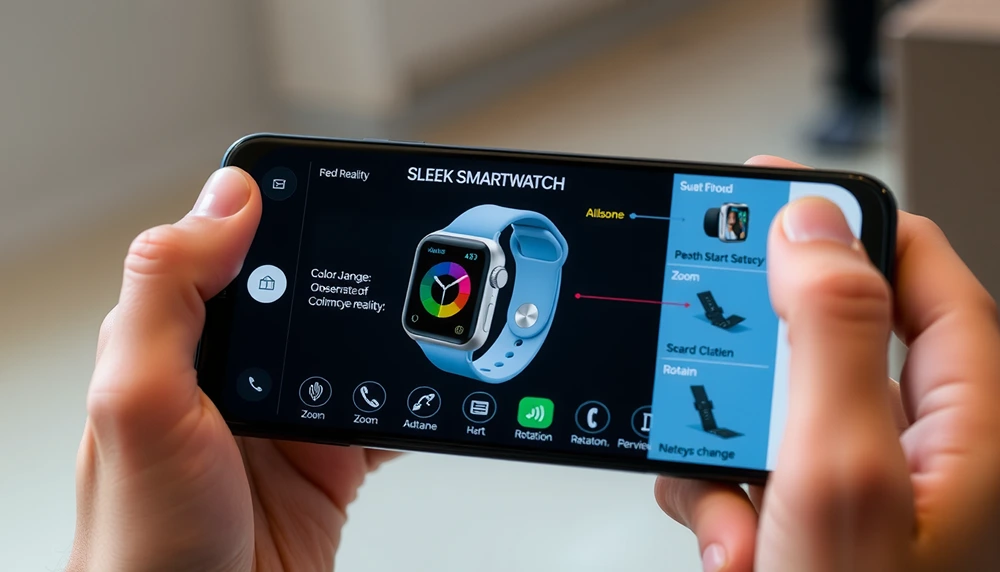
- Enhanced Interaction: Facilitates interactive features like rotating and zooming in on products.
- Improved Decision-Making: Helps consumers make informed choices by offering comprehensive product views.
These features significantly increase consumer confidence and engagement by reducing uncertainties associated with online purchases. By being able to interact with products virtually, consumers gain a clearer understanding of what they are buying, which translates into more informed decisions and a lower likelihood of returns. As AR technology continues to develop, its capability to offer personalised and realistic interactions is set to further transform the landscape of digital retail, making the consumer experience more satisfying and fulfilling.
Notable Companies Using AR in E-Commerce
Several leading companies have successfully integrated AR technology into their e-commerce platforms, enhancing consumer interaction and engagement. IKEA, for instance, has transformed the furniture shopping experience with its app offering true-to-scale 3D models. This feature allows customers to visualise how furniture will fit and look in their own spaces before making a purchase. Amazon has also embraced AR through its AR View, enabling users to place products virtually in their homes to assess suitability and style. Sephora, on the other hand, uses AR for virtual try-ons, allowing customers to experiment with cosmetics and see how different products will look on their skin.
| Company | Feature | Purpose |
| IKEA | True-to-scale 3D models | Visualise furniture in real spaces |
| Amazon | AR View | Place products virtually in home environments |
| Sephora | Virtual try-ons | Test cosmetics on a virtual face |
These AR integrations have significantly impacted consumer engagement and satisfaction. By providing an immersive and interactive shopping experience, these companies have bridged the gap between online and in-store shopping, allowing consumers to make more informed purchasing decisions. The use of AR has not only increased consumer confidence but also reduced return rates, as customers have a clearer understanding of what they are buying. As more companies adopt AR technology, the scope for enhanced consumer interaction and satisfaction in e-commerce continues to expand.
Benefits of AR Technology in Online Shopping

Augmented reality technology in online shopping offers substantial benefits that significantly enhance the consumer experience. One of the primary advantages is the ability to provide detailed 3D models and interactive product views. This enhanced product visualisation allows consumers to examine items from all angles and in different contexts, leading to a clearer understanding of the product before purchase. Such clarity in product assessment helps reduce return rates, as customers are more informed and confident about their buying decisions. By bridging the gap between digital and physical retail environments, AR technology empowers consumers with a more comprehensive and realistic shopping experience.
- Interactive Views: Consumers can explore products in 3D, rotating and zooming for detailed examination.
- Virtual Fitting Rooms: Allows users to try on clothing and accessories virtually, enhancing personalisation.
- Real-Time Customisation: Users can modify product features, such as colours or sizes, in a virtual setting.
- Spatial Awareness: Assists in gauging how items fit within physical spaces, ideal for furniture and décor.
- Reduced Return Rates: By improving product understanding pre-purchase, returns due to mismatches decrease.
- Increased Engagement: Interactive features capture consumer interest, making the shopping process more engaging.
These benefits collectively improve customer satisfaction and foster loyalty by providing a more interactive and satisfying shopping experience. The ability to interact with products in a virtual environment builds consumer trust and reduces the likelihood of disappointment upon delivery. As AR technology continues to advance, the potential for further enhancing consumer engagement and satisfaction in the e-commerce realm will only grow, creating a more dynamic and consumer-friendly shopping landscape.
Technological Advancements and Future Developments in AR Shopping
Recent advancements in augmented reality technology have significantly enhanced the capabilities of e-commerce platforms. These improvements are marked by increased realism and speed, offering consumers a more seamless and interactive shopping experience. The development of sophisticated AR tools allows for more accurate product representation, which enhances the virtual shopping environment. This realism is crucial in bridging the gap between online and physical retail, providing a more reliable and engaging consumer experience. As AR becomes more refined, its integration into various devices continues to grow, making it increasingly accessible to a broader audience.
The accessibility of AR technology has been a game-changer for digital retail experiences. With advancements that simplify user interfaces and enhance usability, AR is now available on a range of devices, from smartphones to tablets. This widespread accessibility encourages wider adoption by consumers, who benefit from the convenience of visualising products in their own environment. The ease of use and increased availability of AR features contribute to a more inclusive shopping experience, catering to diverse consumer needs and preferences. This shift not only attracts more users but also enhances customer satisfaction by providing practical and immersive shopping solutions.
Future Prospects of AR in Retail
The future of AR shopping looks promising, with potential developments set to transform the retail landscape further. One anticipated advancement is the integration of artificial intelligence, which could provide more personalised shopping experiences. AI can analyse consumer behaviour and preferences, delivering tailored recommendations and enhancing the overall shopping journey. Additionally, broader retail adoption of AR is expected, with more sectors recognising the value of immersive technology in engaging customers. These innovations are poised to make AR an integral part of the online shopping experience, further blurring the lines between digital and physical retail.
The impact of these technological advancements on the future of online shopping is substantial. As AR becomes an essential tool in e-commerce, it will likely redefine consumer expectations and shopping behaviours. The incorporation of AI and the expansion of AR across various retail sectors promise to deliver more dynamic and engaging digital retail experiences. This evolution not only enhances consumer confidence but also fosters a more interactive and personalised shopping environment, setting new standards for the future of online retail.
User Reviews and Challenges of AR Online Shopping
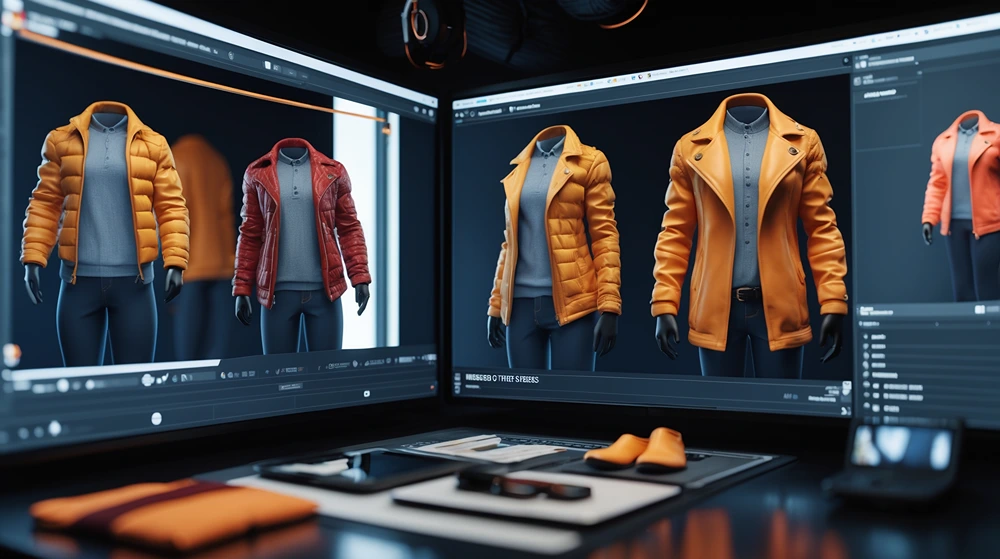
Augmented reality shopping experiences have received positive feedback from users for their convenience and ability to boost consumer confidence. Many consumers appreciate the enhanced interaction that AR shopping app features offer, allowing them to make more informed purchasing decisions. By visualising products in real-world settings, users find the shopping process more engaging and satisfying. This level of immersive interaction is frequently cited in reviews as a key factor in fostering trust and satisfaction in online retail customer interactions.
- Technical Glitches: Users occasionally encounter issues with AR functionality, impacting user experience.
- Limited Product Availability: Not all products are available in AR formats, reducing the technology’s scope.
- Device Compatibility: Some AR features may not work on older devices, limiting accessibility.
- Visual Accuracy: AR representations can sometimes lack precision, leading to mismatches in expectations.
To overcome these challenges, companies like Smarter Digital Marketing are exploring solutions that enhance AR technology’s reliability and accessibility. By addressing technical glitches and expanding product availability, these firms aim to refine the AR shopping experience. Improving device compatibility and visual accuracy are also priorities, ensuring that AR tools provide a seamless and accurate representation of products. Through these efforts, the potential of AR to transform online shopping continues to grow, enhancing both consumer experience and confidence.
Integrating these immersive tools is a critical part of product page optimization, as it helps to bridge the gap between digital browsing and physical ownership.
For professional support with this, see our digital marketing services.
For professional support with this, see our web design services.
For professional support with this, see our local SEO across Scotland and the UK.
For professional support with this, see our PPC management.
Final Words
AR online shopping experiences are revolutionising consumer interaction, offering immersive and interactive engagement.
This technology enhances consumer trust by enabling virtual product visualisation and try-ons.
Prominent companies like IKEA and Amazon showcase the significant impact of AR on consumer expectations and satisfaction.
The benefits, like reduced return rates and detailed 3D product views, highlight AR’s potential in online shopping.
As advancements continue, the future of AR in retail points towards more personalised and accessible shopping experiences.
Embracing AR will be pivotal for enriching consumer satisfaction and loyalty in the digital marketplace.
FAQ
How does AR enhance online shopping experiences?
AR online shopping experiences offer immersive and interactive engagement. Consumers can experience enhanced interaction by visualising products in their own environment, increasing purchasing confidence and engagement.
What are the key enhancements AR introduces in online shopping?
- Virtual try-ons for clothing and cosmetics
- Product visualisation in real-world settings
- Increased consumer engagement
- Interactive product features
- Strengthened purchase confidence
Which companies are notable for using AR in e-commerce?
IKEA, Amazon, and Sephora have incorporated AR into their platforms, offering features like virtual try-ons and product visualisation, enhancing consumer satisfaction and engagement.
What benefits does AR technology offer in online shopping?
AR technology provides detailed 3D models and interactive views, reducing return rates and boosting customer satisfaction through improved product understanding pre-purchase.
What advancements are occurring in AR shopping technologies?
Advancements include improved realism, speed, and device accessibility. Future developments might see AI integration, enhancing personalisation and broader adoption in retail.
