
Is your digital marketing strategy falling flat in a world where audience engagement reigns supreme? As the metaverse and augmented reality industries continue their upward trajectory, 3D content marketing offers a compelling solution. This powerful marketing tool enhances visual appeal and interaction, captivating audiences across websites, social media, and emails. By providing immersive experiences, 3D content marketing not only attracts attention but also holds it, boosting engagement like never before. Explore how 3D content can transform your digital storytelling and redefine your marketing strategies for unparalleled success.
Understanding 3D Content Marketing
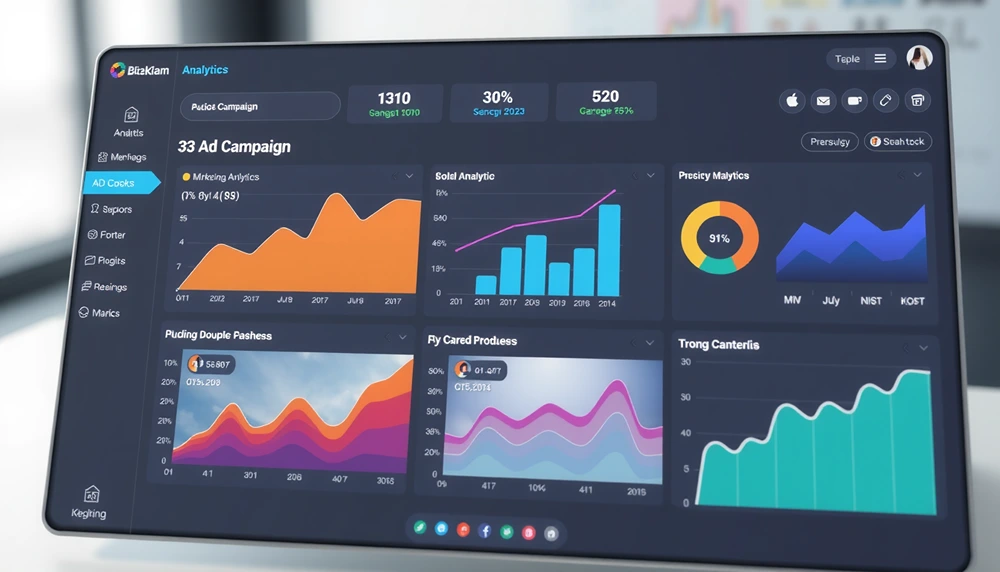
3D content marketing represents a cutting-edge approach in the digital marketing spectrum, leveraging three-dimensional graphics and animations to amplify user engagement. By offering interactive and immersive experiences, it elevates the visual allure across platforms such as websites, social media, and email marketing. This marketing strategy is gaining traction due to its ability to captivate audiences through innovative visual storytelling, a trend further propelled by advancements in the metaverse and augmented reality (AR) industries. The importance of 3D content marketing lies in its capacity to create engaging digital experiences that not only attract but also retain audience attention, thus enhancing brand perception and driving consumer conversion.
- Enhances visual engagement and audience retention
- Supports immersive storytelling across multiple platforms
- Increases brand visibility and recognition
- Improves conversion rates through detailed product representations
- Facilitates interactive and personalised customer experiences
3D content significantly enriches digital storytelling and marketing strategies, enabling brands to convey complex narratives with clarity and impact. By integrating three-dimensional elements into their campaigns, marketers can create more compelling and memorable content that resonates with their target audience. This method aids in the development of dynamic and engaging stories that capture the essence of a brand, fostering deeper connections with consumers. Furthermore, the versatility of 3D content allows for its application across various marketing strategies, from product demonstrations to virtual reality experiences, thereby broadening the scope and effectiveness of digital marketing efforts.
Applications of 3D Content in Marketing
3D content marketing has revolutionised the approach businesses take to engage with their audiences. By integrating 3D visuals, immersive experiences, and virtual reality marketing, brands can provide captivating and interactive encounters that enhance brand visibility and consumer engagement.
Interactive Content
Interactive content utilises 3D elements to actively engage audiences. By allowing users to interact with content—such as rotating products or exploring virtual environments—brands can create a participatory experience that maintains consumer interest. This engagement is crucial for retaining attention and fostering a deeper connection with potential customers.
3D Product Animations
3D product animations provide an effective means of showcasing product features and functionalities. By offering detailed, dynamic views of products, these animations can highlight unique attributes and demonstrate usage scenarios. This approach aids consumers in making informed purchasing decisions by providing a comprehensive understanding of the product.
Social Media Content
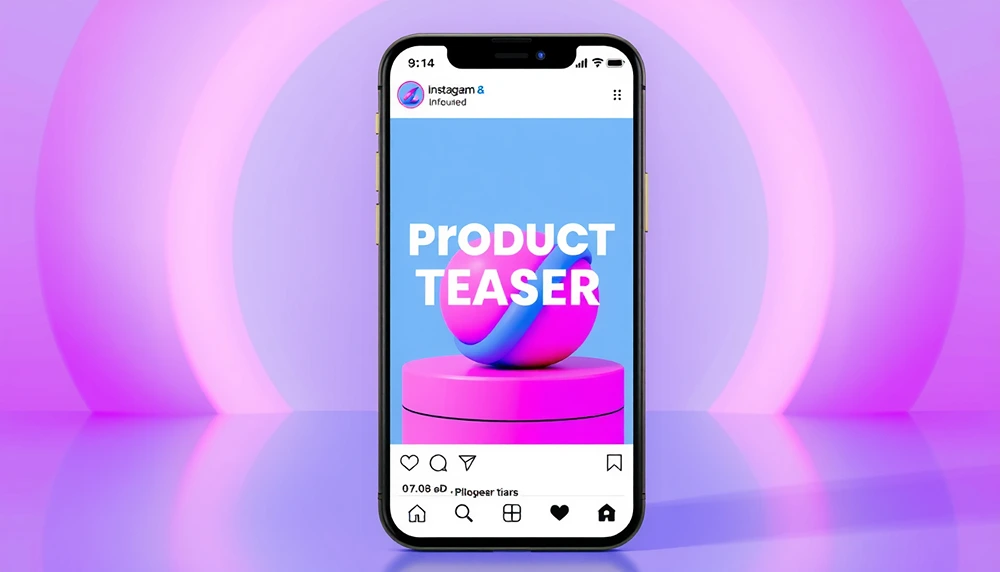
In social media marketing, 3D content stands out through its ability to capture audience attention with visually striking ads and posts. The use of 3D visuals can significantly enhance brand visibility, as such content is more likely to be shared and liked, thereby increasing reach and engagement across platforms.
Rendered 3D Videos
Rendered 3D videos serve as powerful storytelling tools. By combining compelling narratives with high-quality 3D graphics, these videos can effectively convey complex messages and concepts. This method is particularly useful in industries requiring detailed explanations, such as technology or healthcare.
Immersive AR Experiences
Immersive AR experiences offer an unparalleled user experience by overlaying digital content onto the real world. This application not only intrigues users but also provides practical benefits, such as virtual try-ons or location-based experiences. By enhancing how users interact with products and environments, AR can drive engagement and foster brand loyalty.
| Application Type | Benefit |
| Interactive Content | Engages audiences through participation |
| 3D Product Animations | Showcases product features and functionalities |
| Social Media Content | Captures attention and enhances visibility |
| Rendered 3D Videos | Effective storytelling through visuals |
| Immersive AR Experiences | Enhances user experience and interaction |
Case Studies: Brands Utilising 3D Content
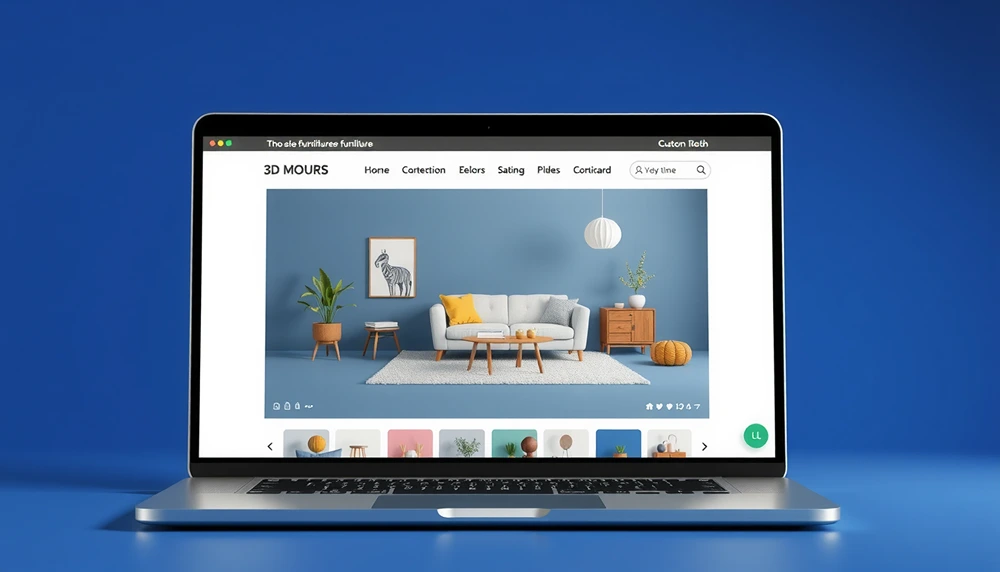
Case studies provide valuable insights into how leading brands effectively utilise 3D content to enhance customer experiences and drive marketing success. By examining these examples, businesses can understand the practical benefits and applications of 3D technologies in their marketing strategies.
Rebecca Minkoff
Rebecca Minkoff has integrated augmented reality (AR) into their shopping experiences, offering customers a virtual fitting room. Through AR, shoppers can visualise clothing items on themselves without physically trying them on. This innovative approach not only enhances the shopping experience but also increases consumer confidence in purchasing decisions by providing a realistic preview of how products fit and look.
IKEA
IKEA leverages 3D models in their home planning tools, allowing customers to visualise furniture in their own space before making a purchase. Their app, IKEA Place, uses AR technology to let users see how furniture pieces would fit in their home. This application of 3D content improves the decision-making process by helping customers make informed choices based on spatial compatibility and aesthetics.
Nike
Nike employs 3D visuals in product launches to create dynamic and engaging presentations. By using 3D animations and graphics, Nike showcases the intricate design and functionality of their products, which captivates audiences and elevates the overall brand storytelling. This approach not only highlights product features but also enhances marketing effectiveness through visually compelling content.
- Increased customer engagement through interactive and immersive experiences
- Enhanced decision-making by providing realistic product visualisations
- Improved brand storytelling and marketing effectiveness with dynamic 3D presentations
Tools and Platforms for Creating 3D Content
Selecting appropriate tools and platforms for creating 3D content is crucial for any brand aiming to enhance its digital marketing strategies. The right tools can significantly streamline the creation process, optimise content for various platforms, and ultimately boost engagement. Efficient 3D marketing tools not only facilitate the creation of visually stunning content but also support seamless integration with existing marketing campaigns. As the industry evolves, tools like Nextech3D.ai’s Toggle3D platform are emerging to meet the growing demand for accessible and user-friendly 3D content creation solutions.
- Blender: Open-source tool offering comprehensive 3D modelling and animation capabilities.
- Autodesk Maya: Industry-standard software known for advanced animation and visual effects.
- SketchUp: User-friendly interface ideal for quick 3D modelling and design.
- Cinema 4D: Powerful tool with excellent rendering and motion graphics features.
- Unity: Versatile platform supporting 3D content creation for games and real-time experiences.
Emerging trends in 3D content creation are shaping the future of digital marketing. These include the integration of artificial intelligence to reduce errors and enhance design precision, making 3D content more accessible. The use of smartphones for creating and sharing 3D content is also on the rise, empowering users to create high-quality visuals on-the-go. Additionally, pre-built 3D asset libraries are becoming more popular, providing creators with a vast array of resources to expedite the content development process, thereby optimising time and cost-efficiency.
Best Practices and Challenges in 3D Content Marketing
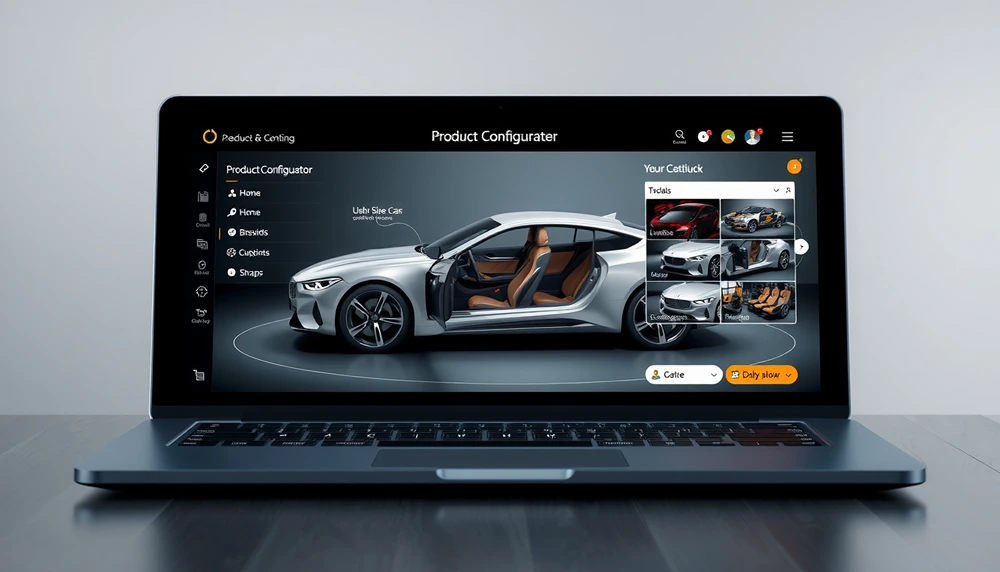
Effective 3D content marketing hinges on strategic content planning and innovative approaches to storytelling. Brands should prioritise creating immersive narratives that capture user engagement, as this can significantly enhance the overall impact of marketing campaigns. Incorporating 3D elements allows for a more dynamic presentation of content, enabling consumers to interact with products in a virtual space, thereby increasing conversions by up to 94%. Personalisation is another crucial aspect, where tailored 3D experiences can cater to individual preferences, fostering a deeper connection with the brand. To achieve marketing campaign success, it is vital to align 3D content with brand objectives and audience expectations, ensuring that the visual and interactive aspects complement the overarching marketing strategy.
- Technical Skills: Developing 3D content requires specialised knowledge. Overcome this by investing in training or hiring skilled professionals.
- High Costs: Creating high-quality 3D visuals can be expensive. Mitigate costs by using cost-effective tools and platforms like Smarter Digital Marketing.
- Integration with Existing Systems: Seamlessly incorporating 3D content into current marketing strategies can be challenging. Address this by ensuring compatibility with existing digital ecosystems.
- Content Overload: Avoid overwhelming users with complex 3D visuals. Focus on simplicity and clarity to maintain user interest and comprehension.
Smarter Digital Marketing stands out as a reliable resource for tackling these challenges, offering expertise and tools that streamline the creation and integration of 3D content. By leveraging such resources, brands can effectively navigate the complexities of 3D content marketing, ensuring their campaigns are both impactful and efficient.
Measuring the Impact of 3D Content Marketing
Measuring the impact of 3D content marketing is crucial for understanding its effectiveness and for refining strategies. As demonstrated by Amazon’s 66% increase in customer engagement through 3D technology, analysing performance metrics provides valuable insights into consumer behaviour and campaign success. By focusing on specific metrics, brands can gauge the true value of 3D content in enhancing marketing effectiveness and audience engagement. This process enables marketers to make informed decisions, optimise resource allocation, and tailor content to better meet consumer needs and expectations.
| Metric | Description |
| Engagement Rate | Measures the level of interaction users have with the content. |
| Conversion Rate | Assesses the percentage of users who take a desired action. |
| User Interaction Time | Tracks the amount of time users spend interacting with 3D content. |
| Return on Investment (ROI) | Evaluates the financial returns relative to the cost of 3D content creation. |
Interpreting these metrics is vital for enhancing marketing strategies. A high engagement rate indicates effective content that resonates with the audience, while a strong conversion rate highlights the content’s ability to drive desired actions. Extended user interaction time suggests an engaging user experience, and a positive ROI confirms the financial viability of 3D content. By systematically analysing these metrics, marketers can refine their strategies, ensuring that 3D content not only captivates audiences but also contributes to achieving broader business goals.
Final Words
3D content marketing is revolutionizing how brands captivate their audiences with immersive and interactive experiences. By integrating 3D visuals across various channels like social media and websites, businesses enhance their digital storytelling, resulting in higher engagement and visibility.
Brands like Nike and IKEA demonstrate the substantial impact of 3D content through innovative customer experiences and increased engagement. With the right tools and strategic planning, marketers can overcome the challenges associated with 3D technology.
Leveraging 3D content marketing presents an exciting opportunity for brands to strengthen their digital footprint and drive significant results in a competitive landscape.
FAQ
What is the 3D marketing strategy?
A: The 3D marketing strategy involves integrating three-dimensional content into marketing efforts to create engaging and immersive experiences that capture audience attention and enhance brand visibility across digital platforms.
What is 3D content?
A: 3D content refers to digitally created three-dimensional visuals and media, such as models and animations, used in marketing to provide an interactive and immersive user experience.
What is an example of 3D marketing?
A: An example of 3D marketing is the use of augmented reality (AR) by brands like IKEA, which allows customers to visualise furniture in their own space before making a purchase decision.
How big is the 3D content creation market?
A: The 3D content creation market is expanding rapidly, driven by the increasing adoption of virtual reality and augmented reality technologies, serving industries ranging from retail and automotive to healthcare.
What are some 3D content marketing examples?
A: Examples of 3D content marketing include interactive AR experiences, 3D product animations, enhanced social media visuals, rendered 3D video storytelling, and immersive content for websites and email campaigns.
What are some 3D content marketing strategies?
A: Strategies include using 3D visuals in product showcases, incorporating 3D animations in social media campaigns, leveraging AR for interactive experiences, and employing rendered videos for compelling storytelling.
For professional support with this, see our PPC management.
For agency support with this, see our web design services and digital marketing services.
For professional support with this, see our about Smarter Digital Marketing.
For professional support with this, see our local SEO across Scotland and the UK.
