
Could the advent of 5G be the turning point in mobile marketing, transforming how brands engage with consumers? As 5G technology rapidly integrates into digital landscapes, it promises to redefine mobile marketing dynamics. Enhanced data speeds, low latency, and improved connectivity create a fertile ground for more interactive and personalised advertising experiences. Marketers can now dream bigger and execute smarter. This exploration of 5G’s potential reveals both the opportunities for advancing strategies and the challenges of implementation, guiding marketers in leveraging its full potential to transform consumer engagement.
Understanding 5G Technology in Mobile Marketing
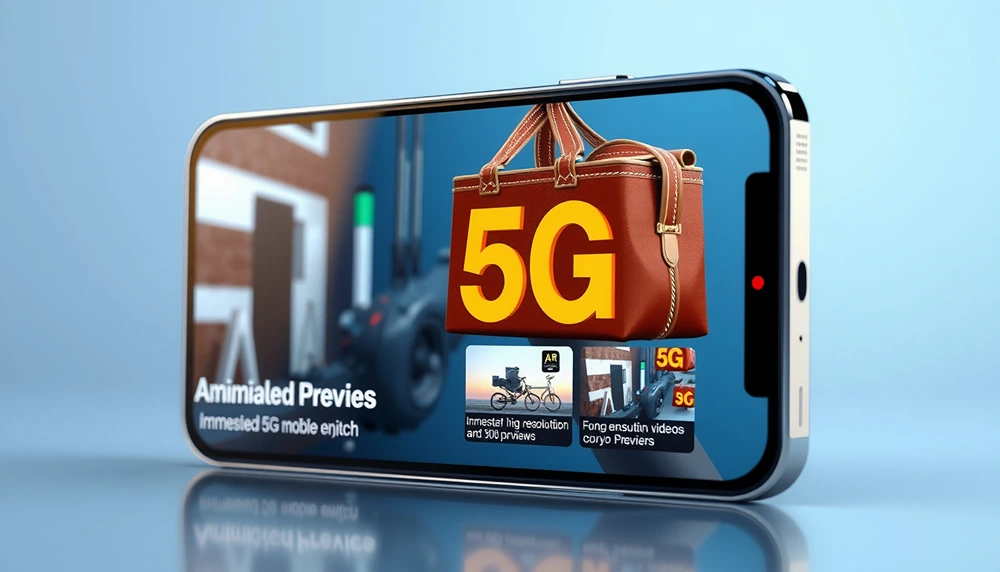
5G technology is significantly transforming mobile marketing by offering enhanced data speeds, reduced latency, and improved connectivity. This advancement allows marketers to deliver high-quality video content and immersive AR/VR experiences with minimal delay, significantly boosting consumer engagement. The evolution from previous mobile networks to 5G facilitates real-time data analytics, enabling marketers to craft precise and impactful location-based strategies. This technological leap not only improves the delivery and quality of digital content but also enhances the overall consumer experience, making marketing campaigns more interactive and effective.
The opportunities presented by 5G technology include the ability to integrate advanced analytics and AR/VR seamlessly. Real-time data capabilities allow marketers to analyse consumer behaviour as it happens, providing the chance to personalise marketing messages instantly. Furthermore, the capacity to utilise AR/VR in campaigns offers a new level of engagement, making advertisements more appealing and memorable. These features of 5G networks create a dynamic environment for creativity and innovation in mobile marketing strategies.
Potential challenges associated with implementing 5G in mobile marketing are as follows:
- High infrastructure costs
- Consumer privacy concerns
- Need for compatible devices
- Regulatory compliance issues
As 5G technology becomes more prevalent, consumer behaviour is expected to shift towards a demand for more immediate and engaging content. Users will anticipate seamless experiences, leading marketers to adapt quickly to these new expectations. The ability to provide instant access to high-quality content will become a critical factor in maintaining consumer interest and loyalty in a rapidly evolving digital landscape.
New Marketing Strategies Enabled by 5G
5G technology is a game-changer for real-time marketing, offering unprecedented speed and data processing capabilities. By enabling real-time data analytics, marketers can deliver timely and relevant marketing messages that resonate with consumers. This approach not only boosts engagement but also helps brands maintain a competitive edge in a crowded digital marketplace, where consumer attention is continually fragmented.
Personalised Advertising Benefits
How does 5G enhance personalised marketing? Through real-time analytics and tailored messages. By processing large volumes of data at high speeds, marketers can assess consumer behaviour in real time, allowing for the creation of highly personalised advertising content. This level of personalisation ensures that marketing messages are not only relevant but also timely, significantly increasing the likelihood of consumer interaction and conversion. The immediacy of 5G networks allows ads to be adjusted on-the-fly, aligning with the latest consumer actions or preferences, thus improving the overall effectiveness of marketing campaigns.
Case study examples of successful 5G marketing strategies include:
- Interactive Video Campaigns: Brands using 5G to deliver high-quality video content have seen a surge in viewer engagement and interaction.
- Augmented Reality Experiences: Retailers leveraging AR capabilities in-store to provide an enriched shopping experience.
- Real-Time Offers: Companies implementing location-based promotions that update in real time based on consumer proximity.
- Dynamic Content Updates: Media outlets using 5G for instantaneous news delivery and updates, keeping audiences engaged with the latest content.
- Smart Device Integration: Home appliance brands connecting IoT devices to provide user-specific recommendations and usage tips.
The role of IoT in marketing expands significantly with 5G. By facilitating seamless connectivity between smart devices, marketers can create more integrated and coherent customer experiences. IoT devices, powered by 5G, provide a wealth of consumer data, allowing for deeper insights and more targeted marketing efforts. This interconnectedness supports innovative campaigns that leverage data from multiple touchpoints, ensuring a holistic approach to consumer engagement and satisfaction.
Enhancing Mobile User Experience with 5G
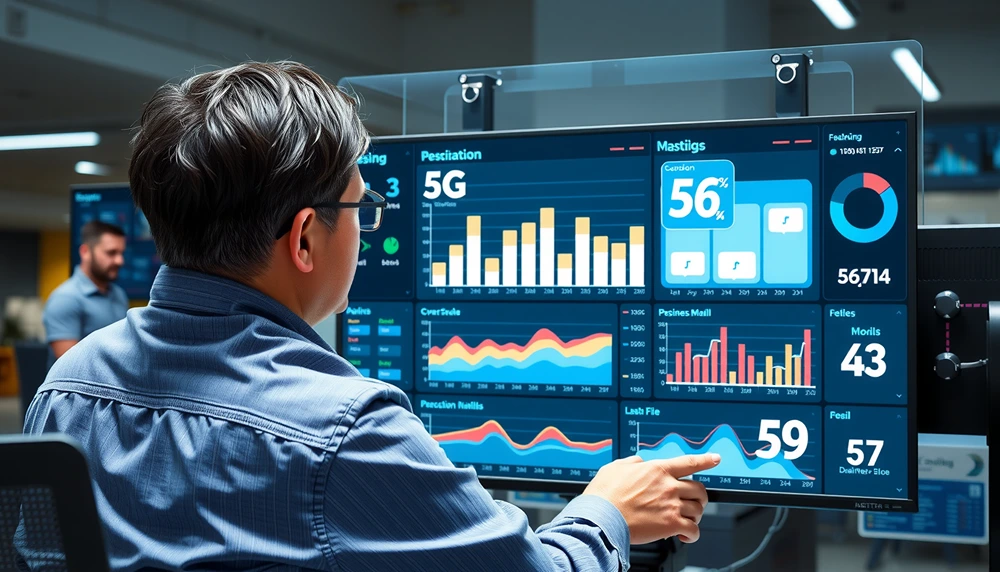
5G’s high-speed connectivity revolutionises media content delivery by lowering latency and boosting data transmission, thus enriching the mobile user experience. The ability to stream high-definition video and utilise augmented reality (AR) applications seamlessly is now a reality, thanks to 5G networks. This advancement allows brands to offer more engaging and interactive content, effectively enhancing the overall brand experience. The swift and smooth delivery of rich media content ensures consumers receive uninterrupted access to information and entertainment, fostering a more immersive user experience.
| Feature | Benefit |
| High-Speed Connectivity | Enables seamless streaming of high-definition video |
| Low Latency | Facilitates smooth AR experiences and real-time interactivity |
| Increased Bandwidth | Supports the delivery of richer media content without delays |
As 5G technology becomes more integrated into daily life, consumer expectations are rapidly evolving. There is an increasing demand for immediate access to content that is not only engaging but also highly interactive. Users now expect seamless experiences across all digital platforms, pushing marketers to adopt strategies that meet these heightened expectations. The shift towards more immersive and engaging content is set to redefine how consumers interact with brands, requiring marketers to continuously innovate and adapt to maintain consumer interest and enhance user satisfaction.
Overcoming Challenges in 5G Mobile Marketing
The rollout of 5G technology in mobile marketing brings with it significant infrastructure costs that can pose challenges to businesses. Building a robust 5G network requires substantial investment in technology and infrastructure advancements, which can be prohibitive for smaller companies. Additionally, the transition to 5G necessitates the availability of compatible devices, as older models may not support the new network capabilities. This requirement could limit the reach of 5G marketing strategies if a significant portion of the target audience does not have access to 5G-enabled devices.
Privacy concerns in 5G mobile marketing include:
- Increased data collection and potential misuse of consumer data
- Challenges in ensuring compliance with evolving data protection regulations
- Concerns over consumer consent and transparency in data usage
To navigate these challenges, marketers must embrace innovation and develop strategies that leverage the full potential of 5G while addressing these concerns. This can include investing in consumer data protection measures and ensuring transparency in data handling practices. By fostering trust with consumers and prioritising privacy, marketers can harness the power of 5G to deliver impactful, innovative marketing solutions. Furthermore, exploring partnerships with technology providers can help mitigate infrastructure costs and facilitate smoother transitions to 5G-enabled marketing practices.
Case Studies: Success Stories in 5G Mobile Marketing

Case studies provide valuable insights into how 5G technology is transforming mobile marketing campaigns. By examining successful implementations, businesses can understand the potential benefits, such as improved engagement and conversion rates, facilitated by interactive and data-driven strategies.
Case Study 1: Interactive Campaign Success
A clothing retailer implemented an interactive campaign leveraging 5G to deliver real-time, high-definition video content directly to users’ mobile devices. What was the result? A 40% increase in consumer engagement within two months. The strategy involved personalised video messages highlighting product features and limited-time offers, which were tailored to individual consumer preferences. This approach not only captivated the audience’s attention but also drove higher conversion rates due to the immersive nature of the content.
Case Study 2: Real-Time Data Optimisation
A leading fast-food chain used 5G’s real-time data capabilities to optimise its marketing efforts during a major sporting event. How did this affect the campaign’s performance? The chain saw a 25% improvement in campaign effectiveness. By analysing live data on consumer behaviour and location, the company was able to adjust its messaging dynamically, sending targeted promotions to fans near participating outlets. This precise targeting, enabled by 5G’s low latency, ensured that offers were relevant and timely, significantly boosting sales.
Case Study 3: Enhanced Consumer Engagement
A telecom company sought to enhance consumer engagement through a 5G-enabled augmented reality (AR) campaign. How successful was it? The campaign resulted in a 30% increase in customer interaction and satisfaction. By integrating AR experiences into their mobile app, the company allowed users to visualise new products and services in a virtual environment. This interactive approach not only captivated users but also provided a memorable experience that strengthened brand loyalty and encouraged repeated interactions.
Final Words
Exploring the advancements provided by 5G technology, this article delves into its transformative impact on mobile marketing. New opportunities emerge with enhanced connectivity, enabling real-time data analytics, AR/VR experiences, and personalized advertising. Although challenges like infrastructure costs and privacy concerns persist, brands demonstrate success by embracing innovative 5G strategies.
Optimising the mobile user experience through high-speed connectivity promises a future of dynamic and interactive content. As consumer expectations heighten, the shift towards 5G-enabled marketing prepares businesses for progressive engagement and increased ROI, ultimately redefining mobile brand experiences.
FAQ
What are the key enhancements of 5G technology in mobile marketing?
5G technology enhances mobile marketing by providing faster data speeds and lower latency. It supports high-quality video content and AR/VR experiences, enabling more engaging advertisements and real-time data analytics.
How do 5G networks create new opportunities for marketers?
5G networks allow marketers to use AR/VR for interactive experiences and employ real-time analytics for refined marketing strategies. This results in more precise location-based marketing and improved consumer engagement.
What challenges do marketers face with 5G technology?
Challenges in 5G technology include:
- High infrastructure costs
- Privacy concerns due to increased data collection
- Compatibility of devices with 5G networks
- Need for continuous innovation in marketing strategies
How does 5G impact consumer behaviour in mobile marketing?
5G impacts consumer behaviour by increasing expectations for immediate, engaging content and seamless user experiences. Consumers anticipate richer media interactions and real-time responses in their mobile engagements.
What are the benefits of personalised advertising with 5G?
Personalised advertising benefits through 5G include enhanced real-time data analytics, allowing marketers to deliver tailored messages. This results in more relevant content, fostering better consumer connections and higher engagement rates.
How do 5G networks improve the mobile user experience?
5G networks improve mobile user experience by offering high-speed connectivity and low latency. This supports rich media content like HD video and AR, contributing to seamless and enhanced brand experiences.
What role does IoT play in marketing with 5G?
In 5G marketing, IoT plays a crucial role by enabling highly interactive and precise location-based marketing strategies. It provides real-time data, fostering improved consumer engagement and optimised marketing campaigns.
How do case studies show the success of 5G mobile marketing?
Case studies reveal that brands using 5G see higher engagement and conversion rates. The technology supports interactive campaigns and real-time data analysis, which enhance consumer interaction and satisfaction.
For professional support with this, see our PPC management.
For professional support with this, see our digital marketing services.
For professional support with this, see our web design services.
For professional support with this, see our about Smarter Digital Marketing.
For professional support with this, see our local SEO across Scotland and the UK.
