
Is securing long-term customer engagement a challenge for brands? Building a strong, mutual connection through brand communities might be the solution. These dynamic groups of loyal customers exchange ideas and experiences centred around a shared purpose with the brand. By exploring brand community-building strategies, businesses can cultivate unwavering loyalty and engagement. This article delves into the principles and tactics that underpin effective community development, offering actionable insights to support your brand’s sustainability and growth. As the significance of community-centric approaches becomes evident, discover how they can transform the way your brand interacts with its audience.
Understanding Brand Community-Building Strategies
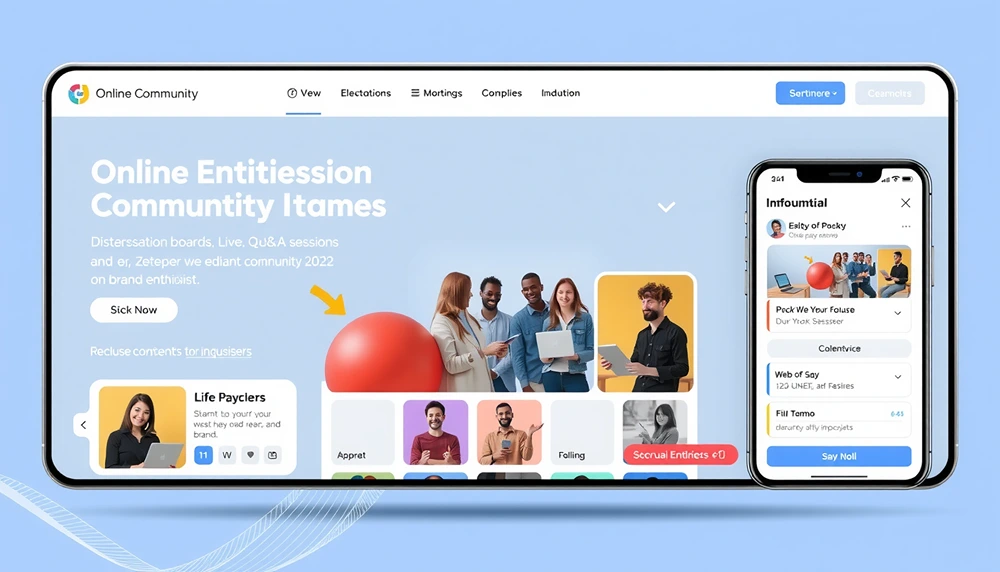
A brand community consists of customers who share interests and values, interacting with both each other and the brand. This collective enables a sense of belonging and shared purpose. Benefits of a brand community include increased customer loyalty, improved communication channels, and enhanced brand perception. By nurturing a community, brands can foster deeper connections, leading to sustained engagement and advocacy.
Community engagement plays a vital role in enhancing brand loyalty. By actively involving community members, brands can encourage them to participate in discussions, share feedback, and contribute content. This engagement not only strengthens the relationship between the brand and its customers but also enhances customer satisfaction. Engaged community members often become brand advocates, promoting the brand to new potential customers.
Key elements of successful brand community-building strategies include:
- Clear Purpose and Values: Establishing a shared mission that aligns with community members’ interests.
- Consistent Communication: Regular updates and interactions to keep members informed and engaged.
- Incentives for Participation: Offering rewards or recognition to encourage active involvement.
- User-Generated Content: Encouraging content creation by members to foster a sense of ownership.
- Feedback Mechanisms: Implementing systems to gather and act on member feedback for continuous improvement.
By focusing on these elements, brands can effectively build and maintain vibrant communities that drive loyalty and growth.
Identifying and Engaging Your Target Audience
Identifying the target audience is fundamental for building a successful brand community. Precision in audience identification can be achieved through data analysis and market research. Demographic data, purchasing behaviour, and psychographic profiles provide insights into who the potential community members are. Tools such as Google Analytics and social media insights allow brands to segment audiences accurately. These methods help tailor communication strategies to resonate with specific groups, ensuring that the message aligns with audience expectations and interests.
Social media interaction is a powerful tool for engaging potential community members. Platforms like Facebook, Instagram, and Twitter offer direct channels to communicate with audiences. These platforms enable brands to engage users through interactive content, polls, and live sessions, fostering a sense of belonging. Social media also allows for real-time feedback and dialogue, enhancing the customer experience and connection with the brand. Engaging content and active participation invite users to become part of the brand narrative, fostering long-term loyalty.
Key techniques for gathering and using customer feedback include:
- Surveys: Obtain detailed insights into customer preferences and satisfaction.
- Social Listening: Monitor brand mentions and discussions to gauge sentiment.
- Feedback Forms: Easy-to-use forms for collecting structured feedback.
- Focus Groups: Facilitate in-depth discussions to explore customer opinions.
- Online Reviews: Analyse reviews to identify strengths and areas for improvement.
- Community Forums: Encourage open dialogue and feedback among community members.
| Platform | Engagement Method | Example |
| Interactive Polls | Polls to gather opinions on new products | |
| Live Sessions | Q&A with brand influencers | |
| Hashtag Campaigns | Encourage user-generated content with branded hashtags |
Fostering Connections and Building Trust
Trust is a cornerstone of successful brand communities, enhancing both engagement and loyalty. When members trust a brand, they are more likely to participate actively and advocate for it. Trust is cultivated through transparency, reliability, and consistent communication. Brands that demonstrate honesty and integrity in their interactions build lasting relationships with their community members. These relationships are vital for encouraging ongoing dialogue and participation, ultimately strengthening the community’s foundation.
User-generated content plays a pivotal role in enhancing community connections. This content allows members to share their experiences and creativity, fostering a sense of ownership and belonging. When brands encourage user-generated content, they empower members to contribute and share their unique perspectives. This not only enriches the community’s content but also builds a network of engaged individuals who feel valued and heard. Encouraging members to create and share content can lead to a more dynamic and connected community.
Best practices for building trust through community interactions include:
- Transparency: Share company updates and decisions openly to foster trust.
- Consistency: Engage regularly and reliably to maintain community interest.
- Acknowledgement: Recognise and appreciate member contributions to reinforce their value.
- Open Dialogue: Encourage two-way communication to understand member needs and concerns.
By implementing these practices, brands can cultivate a trusting and connected community that supports long-term engagement and loyalty.
Measuring Success and Overcoming Challenges

Evaluating the success of a brand community requires a thorough analysis of engagement metrics. Key metrics include active member count, participation rates, and content interaction levels. Engagement analytics provide insights into how members interact within the community, helping brands understand what drives participation and satisfaction. High precision in identifying these metrics is crucial to assess the community’s health and growth accurately. By analysing these figures, brands can identify trends, adjust strategies, and ensure that community efforts align with business goals.
Challenges in community management often revolve around maintaining engagement and adapting to evolving member needs. Maintaining consistent engagement can prove difficult as members’ interests change over time. Brands must remain agile, continuously updating content and interaction methods to keep members interested. Another common issue is adapting to new technologies or platforms that members prefer, requiring ongoing innovation and flexibility. Addressing these challenges involves regularly seeking member feedback and being prepared to pivot strategies as needed.
- Social Media Analytics: Utilise tools like Facebook Insights and Twitter Analytics to track engagement.
- Surveys and Polls: Collect direct feedback on community satisfaction and areas for improvement.
- Platform-Specific Metrics: Leverage data from community platforms like Slack or Discord to gauge activity.
- Content Performance: Analyse which types of content generate the most interaction.
- User Behaviour Tracking: Monitor how members navigate through community resources.
Engagement Analytics
Tracking engagement metrics is essential for informed strategy development. By monitoring metrics such as page views, session duration, and interaction frequency, brands can tailor content and activities to maximise engagement. Detailed analytics reveal which areas of the community are thriving and which require attention, guiding resource allocation and strategy refinement.
Feedback Loops
Feedback loops are integral in enhancing community experiences. By actively soliciting and incorporating member feedback, brands can make informed adjustments to meet evolving expectations. Continuous feedback collection ensures that community strategies remain relevant and effective, fostering an environment where members feel valued and heard.
Leveraging Community-Led Growth and Advocacy
Community-led growth is a dynamic strategy where active community members contribute to expanding brand awareness and driving growth. By engaging members who are passionate about the brand, companies can organically extend their reach and influence. This approach benefits brands by building authentic connections, enhancing customer engagement, and reducing marketing costs. As members become invested in the brand’s success, they naturally promote it to their networks, resulting in a more extensive and loyal customer base.
Brand advocates are essential to fostering community-led growth. These individuals are not only loyal customers but also enthusiastic promoters of the brand. They amplify the brand message through word-of-mouth and social media, attracting new members to the community. Brand advocates often provide valuable insights and feedback, helping to refine products and services. Their genuine endorsement can significantly boost credibility, making them invaluable assets in nurturing community growth and strengthening brand loyalty.
Strategies for encouraging advocacy within the community include:
- Recognition and Rewards: Acknowledge advocates with incentives such as discounts or exclusive access.
- Engagement Opportunities: Create platforms for advocates to share their stories and experiences.
- Content Collaboration: Invite advocates to co-create content, such as blogs or videos.
- Feedback Channels: Establish dedicated channels for advocates to provide input and suggestions.
- Community Leadership Roles: Offer opportunities for advocates to take leadership roles within the community.
| Partnership Type | Benefit |
| Influencer Collaborations | Expand reach and attract new audiences |
| Cross-Industry Alliances | Enhance resources and diversify community offerings |
Offline and Online Community Events

Community events, both offline and online, serve as essential platforms for fostering member engagement and strengthening brand communities. Offline events offer tangible experiences and personal interactions that deepen connections. These gatherings provide opportunities for members to network, share insights, and build relationships, reinforcing their sense of belonging within the community. Conversely, online events, particularly virtual gatherings, have surged in popularity due to their capacity for global participation and convenience. They enable brands to reach a wider audience, offering inclusive engagement regardless of geographical barriers. Whether offline or online, these events should align with the community’s interests and goals, ensuring relevance and appeal to participants.
Virtual gatherings enhance member engagement by facilitating interactive and accessible experiences. Through webinars, live-streamed sessions, and virtual workshops, brands can engage members in real-time, fostering dynamic discussions and immediate feedback. These digital events provide platforms for showcasing brand values, sharing expertise, and addressing member queries, all of which contribute to heightened engagement. By leveraging technology, virtual gatherings can offer personalised experiences that make members feel valued and heard, ultimately strengthening their connection to the brand.
- Choose a format that aligns with community preferences and goals.
- Promote events extensively across multiple channels to maximise attendance.
- Incorporate interactive elements, such as Q&A sessions or polls, to engage participants.
- Gather feedback post-event to assess success and identify areas for improvement.
Best Practices for Community Management and Maintenance
Community management tools play a crucial role in enhancing communication within brand communities. These tools, such as Slack, Discord, and Microsoft Teams, facilitate seamless interaction among members, allowing for real-time discussions and efficient information sharing. By leveraging these platforms, brands can ensure that their community members are always informed and engaged, thereby fostering a more cohesive and connected community environment. The integration of automated messaging and analytics features within these tools further aids in monitoring member activity and engagement levels, enabling brands to tailor their communication strategies effectively.
Proactive communication is fundamental in maintaining engagement within brand communities. By consistently reaching out to members with relevant updates, personalised messages, and interactive content, brands can keep the community dynamic and responsive. This approach not only keeps members informed but also fosters a sense of belonging and appreciation. Proactive communication involves listening to member feedback and acting on it promptly, which helps in building trust and ensuring that members feel valued. Regular check-ins and newsletters can also be employed to maintain a steady flow of communication, keeping the community vibrant and active.
Best practices for encouraging member contributions and sustaining community growth include:
- Regular Content Updates: Keep the community engaged with fresh and relevant content.
- Incentivise Participation: Offer rewards or recognition for active member contributions.
- Facilitate Discussions: Create forums or discussion threads to encourage interaction.
- Provide Clear Guidelines: Set clear expectations for participation and contributions.
- Solicit Feedback: Regularly seek input from community members to identify growth opportunities.
By implementing these practices, brands can effectively manage and maintain their communities, ensuring sustained engagement and growth.
Final Words
Exploring brand community-building strategies reveals their impact on customer loyalty and engagement. By understanding and engaging the target audience, brands can foster connections and build trust through user-generated content and authentic interactions.
Measuring success involves tracking engagement analytics and utilising feedback loops to refine strategies. Leveraging community-led growth and advocacy, alongside planning strategic events, enhances member engagement and strengthens brand presence.
Effective management and regular maintenance of these communities ensure sustained growth and value. Embracing these strategies positions brands for a thriving community and long-term success.
FAQ
What is a brand community?
A brand community is a group of like-minded customers who interact with each other and the brand. It offers benefits such as increased brand loyalty, customer engagement, and a shared sense of belonging.
How does community engagement enhance brand loyalty?
Community engagement enhances brand loyalty by fostering interactions that create a sense of purpose and connection with the brand. This relationship encourages continued customer support and advocacy.
What are key elements of successful brand community-building strategies?
Successful brand community-building strategies include:
- Clear objectives and purpose
- Encouraging member interactions
- Consistent and authentic communication
- Opportunities for user-generated content
- Strategic use of social media platforms
How can social media interaction engage potential community members?
Social media interaction engages potential community members by facilitating connections, promoting awareness, and providing a platform for conversation and feedback, thereby increasing engagement and appeal.
What techniques are effective for gathering and using customer feedback?
Effective techniques for gathering and using customer feedback include:
- Surveys and polls
- Social media listening
- Customer interviews
- Online reviews and ratings analysis
- Email feedback requests
- Community forums and discussions
Why is building trust important in community-building?
Building trust is crucial in community-building as it encourages member retention, attracts new participants, and fosters an environment where members feel valued and confident in their interactions.
What role does user-generated content play in enhancing community connections?
User-generated content enhances community connections by encouraging participation, offering diverse perspectives, and fostering a sense of ownership and belonging among community members.
How can engagement analytics be used to measure community success?
Engagement analytics measure community success by tracking metrics such as member activity, participation rates, and content interactions, providing insights for strategy optimization and growth.
For professional support with this, see our PPC management.
For professional support with this, see our digital marketing services.
For professional support with this, see our web design services.
For professional support with this, see our about Smarter Digital Marketing.
For professional support with this, see our local SEO across Scotland and the UK.
