
Can content be more engaging without adding complexity? Content gamification might be the answer businesses are looking for. By integrating game-like elements such as stories, challenges, and characters, companies can transform passive content into interactive experiences that captivate their audience. This approach is widely employed in marketing and e-learning, with tools like points, badges, and leaderboards driving participant engagement. In this article, explore diverse content gamification ideas that not only enhance engagement but also turn user interaction into a dynamic narrative. Discover [Smarter Digital Marketing’s] insights into boosting audience connection and involvement.
Innovative Content Gamification Ideas for Enhanced Engagement

Content gamification transforms static content into dynamic experiences by integrating game-like elements. By embedding users within a narrative, gamification strategies foster increased engagement, making the experience more enjoyable and memorable. This approach is utilised in both marketing and elearning environments, employing elements such as points, badges, and leaderboards. These elements convert passive interaction into active participation, encouraging users not only to consume content but to engage with it in a meaningful way. Gamification thus serves as a bridge between content creators and audiences, facilitating deeper connections and understanding.
Key elements of content gamification include stories, challenges, and characters. Stories provide a framework, guiding users through interactive content in a coherent and engaging manner. Challenges introduce a level of difficulty that users must overcome, promoting a sense of accomplishment. Characters serve as relatable avatars or guides, enhancing user immersion and personal connection to the content. Together, these elements craft a compelling narrative that captivates users, encouraging them to invest more time and effort into the content.
- Create narratives with multiple outcomes based on user choices.
- Design challenges that require problem-solving skills.
- Implement a points system to reward achievements.
- Develop badges for completing specific tasks.
- Use leaderboards to encourage competition among users.
The impact of these strategies on engagement is substantial. By incorporating gamification, content becomes more interactive and engaging, leading to increased user retention and satisfaction. Users are more likely to return to content that offers a rewarding experience, fostering long-term loyalty and interaction. Such engagement not only enhances user experience but also drives measurable outcomes, such as improved learning retention and increased marketing effectiveness. By prioritising user engagement through gamification, content creators can achieve significant gains in both user satisfaction and business objectives.
Exploring Game Mechanics in Content Creation
Game mechanics are pivotal in transforming content from passive consumption to interactive engagement. Incorporating elements such as challenges, storytelling, and feedback loops into content creation enhances playability and user interaction. These mechanics are not just about adding fun but are strategically used to guide users through an experience, encouraging deeper involvement and longer engagement periods. By integrating these mechanics, content creators can craft experiences that are both engaging and rewarding, ensuring that users remain interested and motivated throughout their journey.
| Mechanic | Description |
| Challenges | Tasks or obstacles that users must overcome, increasing engagement through problem-solving. |
| Storytelling | Embedding narratives within content to create immersive and coherent experiences. |
| Feedback Loops | Providing instant responses to user actions, maintaining engagement and motivation. |
| Progression Systems | Tracking and displaying user achievements to maintain interest and encourage continued interaction. |
Storytelling and feedback loops specifically play significant roles in enhancing user experience. Storytelling provides a framework that captivates users, guiding them through content in a way that feels meaningful and personal. It leverages the power of narrative to make information more relatable and memorable. Feedback loops, on the other hand, keep users informed about their progress and performance, offering instant gratification or constructive criticism. This immediate response can motivate users to continue engaging with the content, improving overall satisfaction and retention rates. By effectively using these game mechanics, content creators can significantly boost user engagement and create more impactful experiences.
Utilising Reward Systems and Leaderboards
Reward systems are a cornerstone in gamification, offering strategic incentives that drive user motivation and engagement. By incorporating elements such as points, badges, and leaderboards, content creators can transform passive interactions into dynamic experiences. These systems encourage users to actively participate, as they are motivated by the desire to earn rewards and achieve recognition. In both marketing and elearning environments, these gamification tools have become instrumental in fostering continuous interaction and commitment. Points and badges serve as tangible evidence of achievement, while leaderboards introduce a competitive element, prompting users to strive for higher rankings and greater accomplishments.
- Duolingo: Utilises leaderboards to rank users based on their language learning progress, fostering a competitive and motivating environment.
- Nike Run Club: Offers badges for achieving running milestones, encouraging users to set and reach fitness goals.
- Khan Academy: Uses points and badges to reward educational progress, motivating learners to engage with more content.
The psychological impact of rewards in gamification is profound, as they tap into fundamental human desires for achievement and recognition. When users receive immediate and tangible feedback in the form of points or badges, it enhances their sense of accomplishment and satisfaction. This positive reinforcement not only encourages continued engagement but also builds a deeper emotional connection with the content. Leaderboards add an element of social comparison, which can further motivate users to improve their performance and engage more frequently. By leveraging these psychological triggers, reward systems effectively boost user motivation and enhance overall engagement.
Effective User Engagement Techniques through Gamification
User engagement is crucial in content creation, serving as a metric for interaction quality and audience loyalty. Gamification significantly enhances this engagement by transforming passive content into interactive experiences. Interactive content captures attention and encourages active participation, making the user experience more enjoyable and rewarding. By embedding game elements into content, creators can foster a sense of involvement and connection, leading users to spend more time engaging with the material and enhancing their overall experience. This transformation from static to interactive content is essential for maintaining interest and facilitating deeper audience connections.
- Immersive Storytelling: Creating narratives that draw users into a story, fostering emotional connections.
- Interactive Challenges: Designing tasks that require active participation and problem-solving.
- Personalised Feedback: Offering tailored responses to user actions to enhance motivation.
- Progress Tracking: Allowing users to monitor their achievements and set personal goals.
- Social Sharing Features: Enabling users to share accomplishments, fostering community interaction.
These engagement techniques are pivotal in improving customer retention. By integrating immersive storytelling, users are emotionally invested, making them more likely to return. Interactive challenges engage users’ problem-solving skills, promoting satisfaction and loyalty. Personalised feedback ensures users feel valued and understood, enhancing their connection with the content. Progress tracking not only motivates users to continue but also provides a sense of achievement, encouraging long-term engagement. Social sharing features introduce a community aspect, allowing users to share experiences and accomplishments, thus strengthening their bond with the content and other users.
These strategies also enhance customer interaction by promoting active participation. When users engage with content that responds to their actions and decisions, they feel a greater sense of control and involvement. This increased interaction leads to a more personalised and relevant user experience, fostering trust and loyalty. By focusing on user engagement through gamification, content creators can build stronger relationships with their audience, resulting in higher retention rates and increased customer satisfaction. As users find value and enjoyment in interactive experiences, they are more likely to engage consistently, benefiting both the user and the content provider.
Digital Gamification Tools and Platforms for Content Creators
Digital gamification tools are essential for content creators aiming to enhance user engagement through interactive elements. These platforms simplify the integration of gamification features, transforming traditional content into dynamic experiences. By utilising gamification software, creators can add interactive components like challenges, leaderboards, and rewards without extensive coding knowledge. This accessibility allows for a seamless creation process, enabling creators to focus on crafting engaging narratives and experiences that capture and retain user interest.
| Tool Name | Features |
| Adact | Comprehensive gamification features including quizzes, polls, and leaderboards. |
| Classcraft | Engages users through collaborative quests and real-time feedback. |
| BadgeOS | Allows creators to design custom achievements and reward systems. |
Using these platforms in content creation offers significant benefits by streamlining the gamification process and providing a robust framework for interactive design. These tools enable creators to easily customise content, ensuring it meets user needs and enhances engagement. The ability to monitor user interaction and gather analytical data through these platforms also informs future content strategies, optimising user experience and content effectiveness. By leveraging digital gamification tools, creators can foster a more engaging and rewarding environment for their audience.
Case Studies: Successful Gamification Campaigns
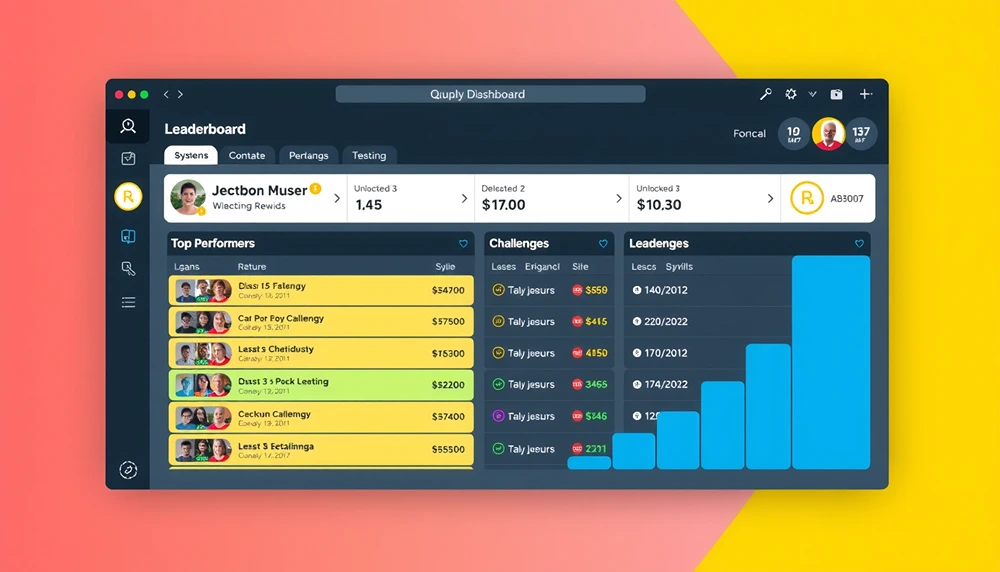
Gamification has emerged as a formidable strategy in content marketing, effectively enhancing customer engagement by embedding game elements into everyday activities. Successful campaigns have demonstrated that interactive storytelling and competitive elements are key to increasing user interaction and loyalty. By transforming routine tasks into engaging experiences, brands have managed to captivate their audiences, fostering deeper connections and encouraging repeated participation. Gamification’s ability to make content more interactive and enjoyable has proven invaluable, driving both user retention and business success.
- Nike+: By converting fitness tracking into a game-like experience, Nike+ encouraged users to track their progress, earn points, and compete with others, significantly boosting user engagement and brand loyalty.
- Duolingo: Utilising gamification in language learning, Duolingo employs points, levels, and achievements to create an engaging and addictive user experience, resulting in high retention rates.
- Starbucks Rewards: This programme gamifies customer purchases by allowing users to earn “Stars” for rewards, effectively increasing repeat visits and customer loyalty.
The success of these campaigns can be attributed to several common factors. Firstly, they all incorporate interactive storytelling, which immerses users in a compelling narrative, enhancing their emotional connection to the brand. Secondly, the use of competitive elements, such as leaderboards and challenges, taps into users’ intrinsic motivation to achieve and outperform others. Lastly, these campaigns provide immediate feedback and rewards, satisfying users’ desire for instant gratification and recognition. By leveraging these strategies, brands have successfully increased user interaction and loyalty, proving the efficacy of gamification in content marketing.
Final Words
Introducing content gamification ideas significantly boosts engagement by integrating game-like elements. Utilising storytelling, challenges, and reward systems not only transforms passive interactions into dynamic experiences but also motivates users through competition and recognition.
Incorporating these strategies enhances user interaction, retention, and content playability. Effective user engagement techniques, supported by digital gamification tools, can lead to successful outcomes.
Leveraging the insights from renowned campaigns, businesses can apply these content gamification ideas to increase customer engagement and achieve notable results.
FAQ
What are some creative content gamification ideas?
Incorporating game elements like challenges and storytelling enhances engagement by transforming passive content into interactive experiences. Use points, badges, and leaderboards to motivate users and encourage continuous participation.
How can one gamify content for adults?
Incorporate narrative-driven challenges, offer personalised rewards, and use social competition elements such as leaderboards. This keeps adults engaged by combining entertainment with learning or other serious objectives.
What are examples of gamification activities in teaching English?
Activities like vocabulary quizzes with points, role-playing scenarios with feedback, and interactive storytelling can improve language retention. These engage students by making learning dynamic and enjoyable.
How are gamification activities used in the classroom?
Classroom gamification might involve point-based systems for attendance and participation, interactive quizzes, and team challenges. Such methods improve student motivation and participation, fostering a competitive learning spirit.
What are easy gamification ideas?
Simple ideas include digital badges for milestones, leaderboards, interactive quizzes, storytelling to drive narratives, and progress tracking using points. These elements introduce gaming principles without overcomplicating the original content.
What examples exist of gamification in the workplace?
Gamification in the workplace includes employee reward systems, training simulations with interactive feedback loops, and team leaderboards. These methods promote engagement, skill development, and healthy competition.
What are some gamification advertising examples?
Some advertising strategies use reward points, interactive campaigns, and social sharing incentives. These techniques drive consumer engagement by incentivising interactions and fostering brand loyalty.
How can you gamify your content effectively?
To gamify content, integrate point systems, utilise storytelling for narrative engagement, offer digital rewards, and create competitive elements like leaderboards. These strategies drive interaction and sustained user interest.
What is content gamification?
Content gamification involves incorporating gaming elements like stories, rewards, and challenges into content to make it interactive and engaging. This approach transforms user engagement from passive to active.
What is a successful example of gamification?
Successful examples include Duolingo, which uses points, badges, and progress tracking to maintain user interest in language learning. This strategy effectively combines fun with educational objectives.
What is the trend in gamification for 2024?
The 2024 gamification trend highlights the rise of personalised experiences, augmented reality integration, and more sophisticated reward mechanisms. These trends aim to create immersive and engaging user experiences.
For professional support with this, see our PPC management.
For professional support with this, see our digital marketing services.
For professional support with this, see our web design services.
For professional support with this, see our about Smarter Digital Marketing.
For professional support with this, see our local SEO across Scotland and the UK.
