
Is your business struggling to capture attention in local search results? Hyper-local SEO strategies could be the key to attracting nearby customers and driving foot traffic. Businesses targeting specific neighbourhoods stand a better chance of engaging with the community. This blog post delves into techniques like local keyword optimization, Google My Business enhancement, and local backlinks, which are critical for businesses aiming to dominate their local market. By adopting these strategies, you’ll not only increase visibility but also tap into a customer base keen on supporting local enterprises.
Effective Local Keyword Optimization for Hyper-local SEO

Local keyword optimisation is pivotal within hyper-local SEO strategies, as it targets search terms relevant to a specific geographic area. This approach ensures a business appears in search results for users in their immediate vicinity. By focusing on local keywords, businesses can attract more targeted traffic, improving the likelihood of conversions. Local keyword research identifies terms that potential customers use when searching for products or services in their area, thereby aligning the business with local search intent and increasing visibility within the community.
- Identify local terms: Start by listing keywords that are specific to your area, including city or neighbourhood names.
- Use Google Trends: Analyse what local keywords are trending in your area to leverage current interests.
- Competitor analysis: Examine the keywords used by local competitors to understand what works.
- Customer feedback: Use language from customer reviews to identify commonly used search terms.
- Keyword tools: Utilise tools like Google’s Keyword Planner to discover additional local keywords.
Geo-specific long-tail keywords significantly enhance local search visibility. These are longer phrases that include geographic identifiers, such as “best pizza in Manchester“. Such keywords are less competitive and can tailor search results to meet the needs of local customers, who often have higher intent to purchase. By integrating these keywords, businesses can capture niche search traffic, resulting in improved engagement and increased opportunities for conversion. This strategic focus not only drives local traffic but also strengthens a business’s presence within its community.
Enhancing Google My Business for Hyper-local SEO Success
Google My Business (GMB) plays a vital role in local SEO by boosting a business’s visibility in local search results. This platform allows businesses to manage their online presence across Google, including Search and Maps. By optimising their GMB profile, businesses can improve local search rankings and attract more foot traffic. The precise location data, customer reviews, and service offerings listed on GMB help search engines provide relevant local results, ultimately enhancing a business’s reach within its community.
| Optimisation Tip | Description |
| Complete Profile | Ensure all fields, such as address, phone number, and hours of operation, are filled accurately. |
| Visual Content | Upload high-quality photos and videos of the business premises and products. |
| Category Selection | Choose the most relevant categories that describe the business to aid search visibility. |
| Customer Reviews | Encourage and respond to customer reviews to foster engagement and trust. |
| Regular Updates | Post updates about new offers, events, or changes in business operations to keep the listing fresh. |
Regular updates to a Google My Business listing are crucial for maintaining high local search rankings. By frequently refreshing the content and information on their profile, businesses can ensure they remain relevant to both search engines and potential customers. Engaging with the community through updated posts, responding to reviews, and highlighting new offerings keeps the business top of mind. This proactive approach not only sustains but potentially enhances a business’s visibility, driving continued success in the local market.
Building Local Backlinks to Strengthen Hyper-local SEO
Local backlinks are a crucial component of hyper-local SEO strategies, significantly enhancing a business’s authority and search visibility. These backlinks are acquired from locally relevant, reputable websites and signal to search engines that the business is a trusted entity within the community. By establishing this credibility, local backlinks contribute to improved search rankings, which directly impacts the business’s ability to attract local customers. The presence of local backlinks not only aids in search engine optimisation but also supports a business’s neighbourhood marketing efforts, increasing its reach and engagement within the local area.
- Partner with local businesses: Collaborate with other businesses in your area to exchange backlinks or guest post opportunities.
- Sponsor local events: Gain backlinks by sponsoring events or community activities that promote your business on their websites.
- Engage with local media: Reach out to local newspapers or blogs for features that include backlinks to your site.
- Join local directories: List your business in local online directories to acquire authoritative backlinks.
An exemplary case of successful local link building is seen in a regional café that partnered with a local food blogger. By hosting a community event together, the café gained extensive coverage through the blogger’s posts, which included backlinks to the café’s website. This collaboration not only increased the café’s online visibility but also drew in a new audience, demonstrating the tangible benefits of strategic local link building. Through such partnerships, businesses can effectively leverage local backlinks to enhance their hyper-local SEO performance.
Creating Location-Specific Content for Hyper-local SEO
Location-specific content is pivotal for enhancing engagement and improving local search rankings. By focusing on content that speaks directly to a local audience, businesses can align with the interests and needs of their community. This approach not only builds relevance but also fosters a sense of connection with potential customers. As people search for products or services, they often seek information that reflects their local context. By integrating local culture, events, and vernacular into content, businesses can create a more relatable and engaging online presence. This strategic alignment with local interests not only drives traffic but also enhances a business’s visibility within its locality.
Techniques for Content Localisation
- Incorporate Local Events: Feature relevant local events in content to attract community interest and showcase engagement with the area.
- Use Local Language and Dialects: Employ language and phrases unique to the region to create a sense of familiarity and connection.
- Highlight Local Testimonials: Include testimonials or case studies from local customers to build trust and demonstrate community involvement.
Localised content significantly boosts local engagement by creating a more personalised user experience. When users find content that resonates with their local context, they are more likely to engage, share, and return to the site. This increased interaction can lead to higher search rankings, as engagement metrics are key indicators for search engines. Additionally, by continuously updating content to reflect local trends and events, businesses can maintain relevance and interest among local audiences. This dynamic approach to content creation not only enhances local SEO efforts but also strengthens community ties, ultimately supporting business growth within the area.
Measuring the Success of Hyper-local SEO Strategies
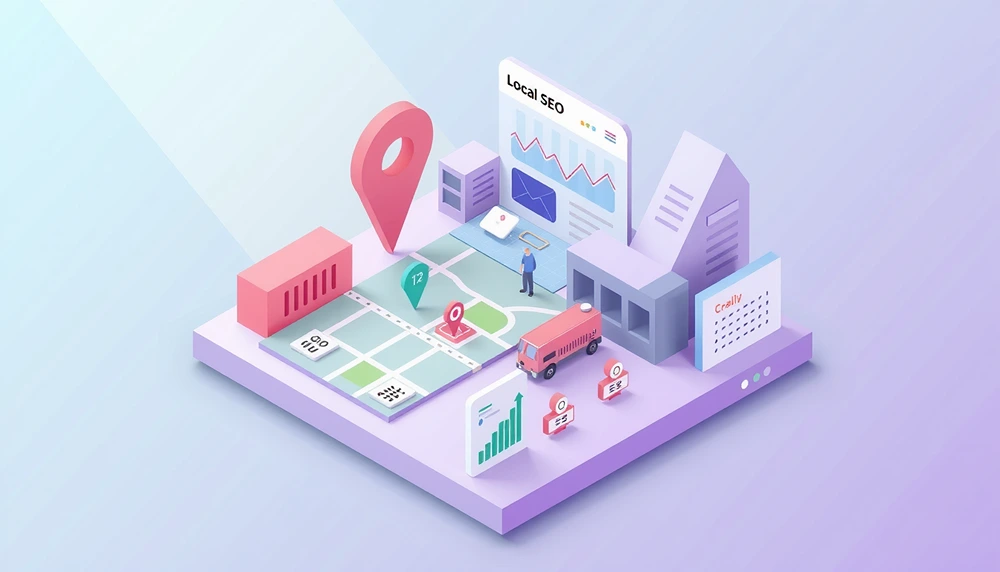
Tracking the performance of hyper-local SEO strategies is essential for understanding their impact and effectiveness. By monitoring specific metrics, businesses can assess how well their local SEO efforts translate into increased visibility and engagement. This performance analysis allows for strategic adjustments to enhance results, ensuring the business remains competitive in its local market. Local SEO measurement involves evaluating various indicators that reflect the business’s presence in local search results and its ability to attract and retain local customers.
- Local search rankings: Track how often your business appears in local search results for targeted keywords.
- Website traffic from local searches: Measure the volume of traffic driven to your website from local search queries.
- Customer engagement: Monitor interactions on social media and review platforms to assess engagement levels.
- Conversion rates: Evaluate the percentage of local visitors who take desired actions, such as making a purchase or signing up for newsletters.
To effectively measure these metrics, businesses can utilise various tools designed to provide comprehensive insights into local search performance. Tools such as Google Analytics and Google Search Console offer detailed reports on website traffic and search rankings. For expert guidance, Smarter Digital Marketing provides specialised services to help businesses accurately map their local SEO success, ensuring their strategies are both effective and data-driven. By leveraging these tools and insights, businesses can optimise their hyper-local SEO strategies, enhancing their visibility and impact within the local community.
Final Words
Implementing hyper-local SEO strategies is crucial for businesses seeking targeted local visibility. This article discussed key elements, including effective local keyword optimization and the importance of geo-specific long-tail keywords.
Detailed insights into enhancing Google My Business, building local backlinks, and creating location-specific content were provided to refine local SEO efforts.
Measuring success with relevant metrics ensures continuous improvement and effectiveness. By embracing these strategies, businesses can elevate their online presence, connect with more local customers, and ultimately, drive growth and success.

FAQ
Q: Why is local keyword optimisation important for hyper-local SEO?
A: Local keyword optimisation targets specific geographic areas, increasing the chance of reaching customers who are more likely to convert. It enhances local search visibility and drives more targeted traffic.
Q: What are some actionable steps for effective local keyword research?
A:
- Identify local customer needs through surveys.
- Analyse competitor keywords.
- Use localised keyword tools.
- Implement geo-specific long-tail keywords.
- Monitor and refine keyword strategies regularly.
Q: How does Google My Business impact local SEO?
A: Google My Business significantly boosts local search rankings. It enhances visibility and attracts customers by providing essential business information directly in search results.
Q: What are some tips for optimising Google My Business?
A:
- Ensure complete and accurate information.
- Use relevant keywords in the description.
- Add high-quality images.
- Encourage customer reviews.
- Update business hours regularly.
Q: How can local backlinks strengthen hyper-local SEO?
A: Local backlinks from reputable sites increase authority and improve local search rankings. They validate a business’s relevance in a specific area.
Q: What tactics can acquire local backlinks?
A:
- Partner with local businesses.
- Sponsor community events.
- Submit to local directories.
- Offer testimonials to local vendors.
Q: What is the role of location-specific content in hyper-local SEO?
A: Location-specific content engages local audiences, addressing their interests. It improves local search rankings by ensuring relevant and engaging material is available to users.
Q: How can one measure the success of hyper-local SEO strategies?
A: Success is measured by tracking metrics like local search rankings, website traffic, and customer engagement to analyse performance and adjust strategies effectively.
For professional support with this, see our PPC management.
For professional support with this, see our digital marketing services.
For professional support with this, see our web design services.
For professional support with this, see our about Smarter Digital Marketing.
