
Could interactive social stories revolutionise learning for children with cognitive disabilities? These dynamic educational tools are swiftly becoming essential resources in modern teaching. By merging engaging narratives with multimedia elements, they captivate learners while imparting crucial social skills and behaviours. Especially targeted towards individuals with developmental challenges, interactive social stories offer a unique approach to education. Explore how these innovative tools enhance understanding and social interaction, making education more inclusive and impactful than ever before. Discover the ways in which they transform learning into an immersive experience.
Understanding Interactive Social Stories
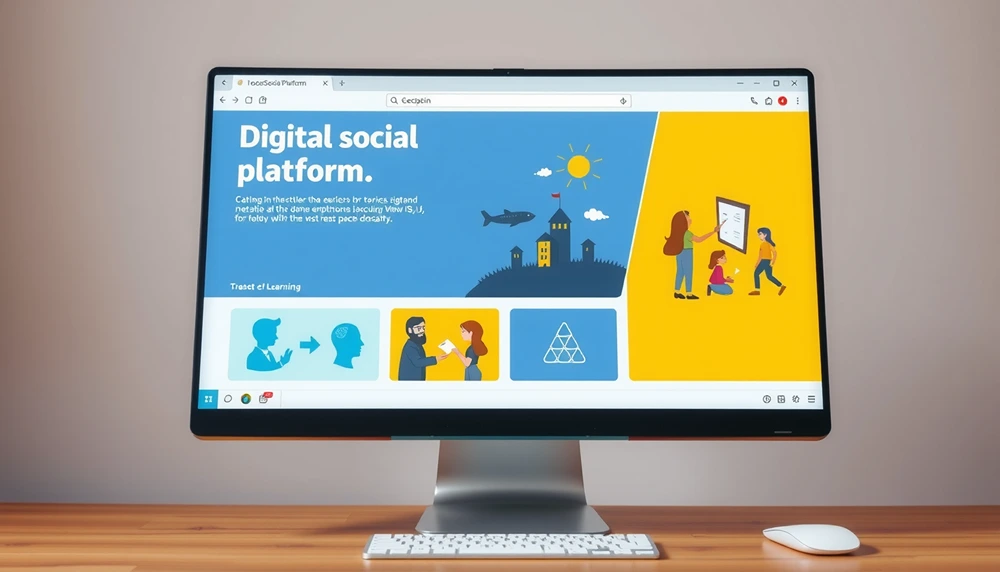
Interactive social stories are educational tools developed to instruct users on social skills and behaviours through engaging narratives. These stories function by presenting scenarios that integrate various multimedia components—such as videos, images, and interactive demonstrations—to facilitate understanding and maintain user engagement. The primary objective is to create a dynamic learning environment where users can explore social situations and practice appropriate responses, thereby improving their social competencies.
The target audience for interactive social stories includes children and individuals with cognitive or developmental disabilities. These stories are particularly advantageous for such groups as they provide a structured yet flexible approach to learning complex social cues. By offering personalised content that can be tailored to individual needs, interactive social stories aid in enhancing communication skills and emotional understanding, promoting better social interaction and empathy.
- Multimedia elements enhance user engagement, making learning more dynamic.
- Videos and images provide visual cues that aid understanding.
- Interactive demos offer practical experience of social situations.
- Personalisation allows tailoring to individual learning needs.
- Engaging formats facilitate better retention of social skills.
Examples and Reviews of Interactive Social Stories
Examples of Interactive Social Stories
Interactive social stories have become accessible through various apps and online platforms, offering customisable features that cater to diverse user needs. One notable example is the “Social Stories Creator & Library,” an app that provides a vast array of predefined storylines while allowing users to create and personalise their own narratives. This flexibility is particularly beneficial for educators and therapists aiming to address specific social challenges.
Another example is “Pictello,” an app designed for individuals who benefit from visual storytelling. Pictello enables users to create visual narratives using personal photos and texts, which can be particularly engaging for children with autism. The app’s intuitive interface supports both spoken and written narration, making it a versatile tool for different learning styles.
“Autism Social Story” is another platform that provides a library of social stories tailored for children with autism. The platform’s interactive nature allows users to engage with characters and scenarios, helping them better understand social cues and appropriate behaviours in a safe, controlled environment.
Reviews and Effectiveness
User reviews consistently highlight the effectiveness of interactive social stories in enhancing social understanding and communication skills. Many users report significant improvements in their ability to interpret social cues and respond appropriately in various situations. The interactive elements are praised for keeping users engaged, thereby facilitating better retention and application of learned skills.
For instance, the “Social Stories Creator & Library” is applauded for its flexibility in allowing users to tailor stories to specific needs, which enhances its applicability in different contexts. Similarly, “Pictello” receives positive feedback for its ease of use and ability to engage users through multimedia storytelling.
Comparative reviews often suggest that while all platforms offer educational benefits, the best choice depends on the user’s specific needs and preferences, such as the level of customisation required or the preferred mode of interaction.
| Interactive Story | Features | Effectiveness Rating |
| Social Stories Creator & Library | Customisable storylines, extensive library | 4.5/5 |
| Pictello | Visual storytelling, multimedia support | 4.7/5 |
| Autism Social Story | Interactive scenarios, tailored content | 4.6/5 |
Benefits of Using Interactive Social Stories

Interactive social stories significantly enhance social interaction and empathy among users. These educational tools create immersive scenarios where individuals, particularly children and those with cognitive disabilities, can practice interpreting social cues and responding appropriately. By engaging with these stories, users develop a deeper understanding of empathy, enabling them to consider others’ feelings and perspectives. This heightened social awareness leads to improved interpersonal relationships and communication skills, fostering a more inclusive environment for learning and interaction.
Personalisation within interactive social stories plays a crucial role in elevating their educational value. By tailoring stories to address specific needs and learning paces, users experience a more relevant and impactful learning journey. This customisation ensures that the content resonates with the individual, making it more engaging and effective. The interactive elements of these stories allow users to experiment with different responses and outcomes, promoting emotional regulation and self-awareness. As a result, users develop better control over their emotions and behaviours, which is essential for navigating social environments.
- Enhances social interaction through practice and engagement.
- Fosters empathy by promoting understanding of diverse perspectives.
- Supports emotional regulation by allowing exploration of responses.
- Customisable to individual learning needs, increasing relevance.
Implementing Interactive Social Stories in Educational and Therapeutic Settings
Guided sessions with educators or therapists are crucial when implementing interactive social stories in educational or therapeutic environments. These sessions provide structured support, ensuring that individuals benefit from the stories’ educational potential. By facilitating guided exploration, educators can help learners navigate through the stories, offering insights and feedback that reinforce learning objectives. This targeted approach enhances understanding and encourages the development of social skills in a supportive setting.
Implementation Strategies
One effective strategy is to integrate interactive social stories into daily routines. By incorporating these stories into regular activities, learners can repeatedly engage with the material, which reinforces learning and aids retention. Consistent usage is vital; it provides multiple opportunities for practice and helps solidify the social concepts being taught. Additionally, educators and therapists should consider the context in which the stories are used, ensuring they align with the specific goals of the educational or therapeutic programme.
Personalisation and Adaptation
Tailoring interactive social stories to individual learning paces and needs is essential for maximising their impact. Personalisation involves modifying the content to reflect the learner’s interests and cognitive abilities, making the stories more relatable and engaging. This can be achieved by adjusting the complexity of the scenarios or incorporating elements that resonate with the learner. Adapting stories also means being flexible with the delivery method, ensuring it suits the learner’s preferred way of interacting with the material. By doing so, educators and therapists can create a more meaningful and effective learning experience.
Choosing the Right Interactive Social Stories for Your Needs
Selecting interactive social stories that align with user needs and preferences is crucial for maximising their educational impact. By carefully evaluating the specific requirements of the user—whether it be a child with autism or an individual with cognitive disabilities—educators and therapists can choose stories that are most effective in achieving desired learning outcomes. Reviews and comparisons of various interactive social stories provide valuable insights into their features and effectiveness, enabling a more informed decision-making process. Such evaluations help identify tools that offer the right balance of customisation, engagement, and educational benefits tailored to individual learning goals.
- User’s cognitive abilities: Ensure the story complexity matches the user’s comprehension level.
- Customisation options: Look for stories that allow personalisation to cater to individual interests.
- Engagement features: Consider multimedia elements that enhance interaction and retention.
- Educational goals: Align stories with specific learning objectives and social skills development.
- User feedback: Review testimonials and ratings to gauge effectiveness and satisfaction.
Final Words
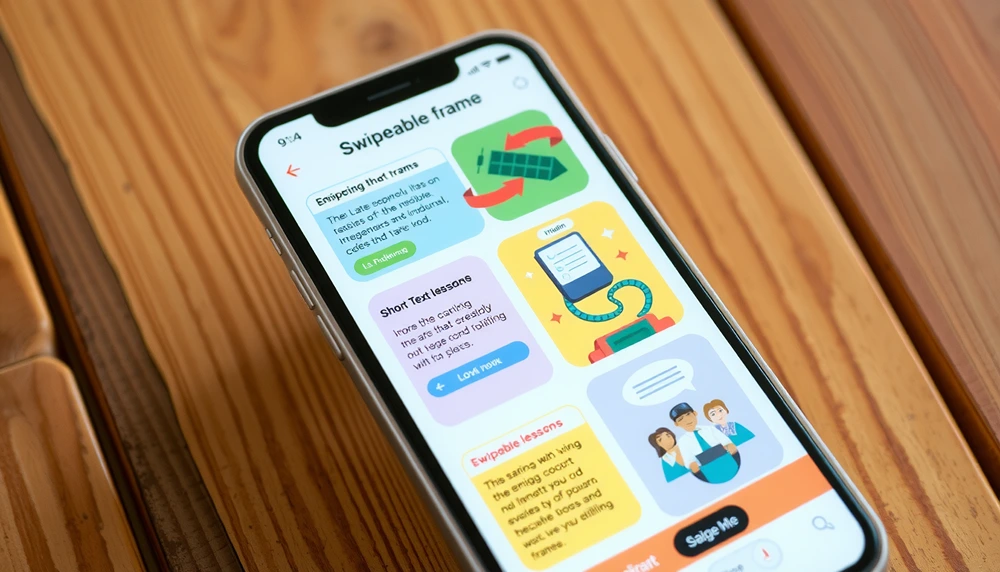
Exploring interactive social stories reveals their critical role as educational tools, especially beneficial for individuals with cognitive disabilities.
These stories employ multimedia elements, enriching learning experiences and improving social skills.
Various apps and platforms offer diverse features, supported by reviews praising their efficacy in enhancing communication and emotional regulation.
Implementing these stories requires thoughtful integration into educational and therapeutic settings, ensuring personalised approaches.
Choosing the right story involves understanding individual needs and preferences, leading to the most effective outcomes.
Embracing interactive social stories can significantly transform learning experiences, fostering growth and understanding.
FAQ
What are interactive social stories?
Interactive social stories are educational tools designed to teach social skills through engaging story formats. They improve social understanding, particularly for individuals with cognitive or developmental disabilities, by using multimedia elements.
Who benefits from interactive social stories?
Interactive social stories are particularly beneficial for children and individuals with cognitive or developmental disabilities. They enhance understanding and engagement through videos, images, and interactive demos.
Why are multimedia elements important in interactive social stories?
Multimedia elements in interactive social stories add engagement, facilitate understanding, and provide diverse formats to suit individual learning preferences. They also enhance the storytelling experience, making learning more effective.
What are examples of interactive social stories?
Examples include apps and online platforms that offer customisable storylines. These tools often incorporate characters and scenes designed to improve social behaviour and communication skills.
How effective are interactive social stories according to reviews?
User reviews highlight their effectiveness in enhancing social understanding and communication. Comparisons help identify the best tools suited to user needs, features, and preferences.
What are the benefits of using interactive social stories?
Interactive social stories improve social interaction, empathy, and emotional regulation. They offer personalised learning, aiding in the development of essential social skills tailored to individual needs.
How can interactive social stories be implemented in educational settings?
In educational settings, these stories can be integrated into daily routines and guided sessions. Consistent use by educators and therapists helps tailor learning experiences to individual needs.
What strategies help implement interactive social stories effectively?
Effective strategies include integrating stories into daily routines, consistent use, and adapting them to match the learner’s pace and understanding level, ensuring personalised and effective learning experiences.
How to choose the right interactive social stories for your needs?
Choosing the right interactive social stories requires considering user needs, preferences, desired learning outcomes, customisation options, and the effectiveness of the tool in improving social skills.
For professional support with this, see our PPC management.
For professional support with this, see our digital marketing services.
For professional support with this, see our web design services.
For professional support with this, see our about Smarter Digital Marketing.
For professional support with this, see our local SEO across Scotland and the UK.
