
You should be concerned about your digital footprint. If you already are, join the club of the 84% of people worried about their digital footprint. And rightly so. By December 2023, 20.4 million people had their data compromised in attacks against financial services, a 143% increase on 2022. That’s only financial services. 91% of cyber attacks start with phishing emails not necessarily related to financial services, with statistics estimating over 3.4 billion emails are sent daily.
Now, can you see why more internet users than ever are concerned about their digital footprint?
Read on to find out more.
What’s a Digital Footprint

Your digital footprint is the little trail you’re leaving back to yourself online. It’s every social media like and share, it’s every review you write, it’s every search you make, it’s every email you send and receive – it’s almost everything. And there are roughly 5.16 billion internet users – or 64% of the population – with their unique digital footprint. Even with a safari VPN you’re leaving a digital footprint, just a safer one. You have a unique IP address and your data is encrypted. But if you’re still liking posts on social media and leaving an angry review about your Uber Eats order, you’re leaving a digital footprint.
There are two concepts of a footprint. An active one is where a person willingly provides information, such as filling out online forms, and a passive one is where data is gathered on a person without direct input.
Recent research shows the average internet user generates 146,880 MB daily.
What Are The Risks?
There are considerable and various dangers connected to ignorance about the digital footprint.
Crimes like identity theft, in which online criminals hijack details to commit fraud, stand out. In a single year in 2023, identity fraud affected over 1.9 million people, and 63% suffered financial loss because of it.
Companies can also use online footprints for aggressive marketing targeting. Businesses are measuring what you’re doing online and sending spam advertisements. Yes, this may appear harmless, but it creates some privacy issues. For example, if your digital activities allow third parties to access your private data, including health data that was never shared before, they could sell it to data brokers and then who knows where it ends up.
There are so many other risks we could discuss.
How to be Safe on The Web in 2024
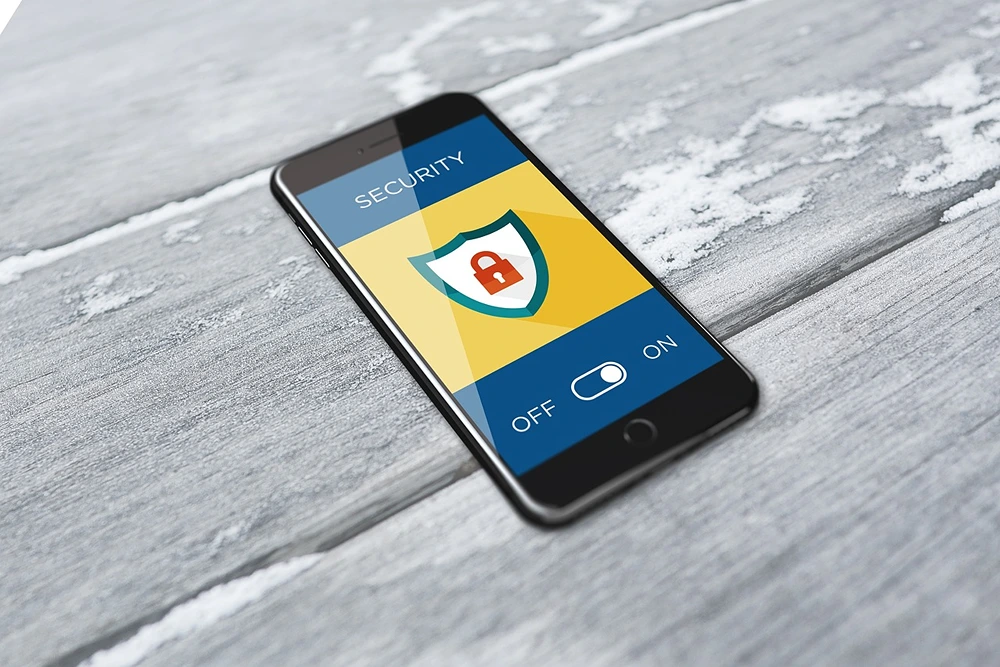
One of the best controls is being careful with the content uploaded. One way of enhancing safety is to make it a habit to check the privacy options of all social networks frequently.
We’d also recommend using optimised passwords for separate online accounts and activating two-factor authentication (2FA) – it adds a layer on top of your defences.
It is also essential to know the newest cybersecurity threats. For example, did you know hackers can tap into legitimate online banking text threads and imitate your bank account asking you to reset your password? New exploitation techniques evolve constantly.
For secure online privacy, using a VPN is crucial too, but we’d already spoken about that.
If you’re not worried about your online footprint, you should be. There’s so much that can go wrong with the things you’re doing online. Starting thinking about the digital trail you’re leaving behind now.
For agency support with this, see our PPC management and local SEO across Scotland and the UK.
